


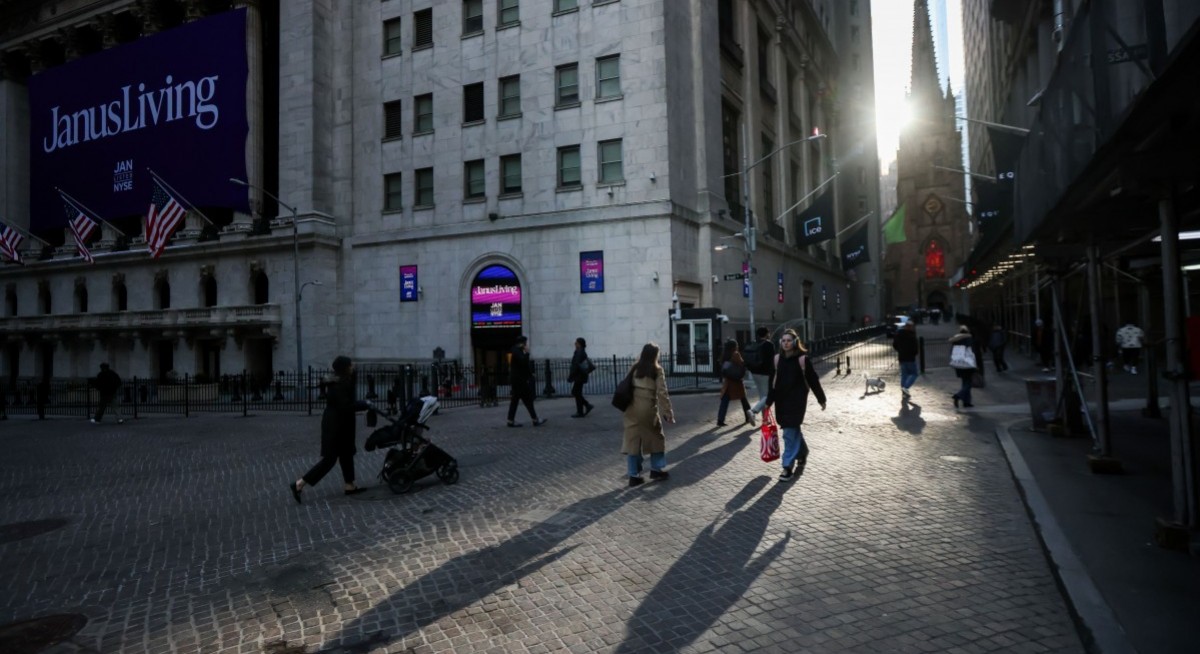


(March 25): Oil fell and US equity futures climbed as optimism grew over Washington’s efforts to end the nearly month-long Middle East conflict.
West Texas Intermediate crude slid as much as 4.9% in early Asian trading after The New York Times reported the US had sent Iran a 15-point plan, following a separate report by Israel’s Channel 12 that Washington was seeking a one-month ceasefire. S&P 500 futures climbed after the index pared losses to close 0.4% lower. Contracts for Sydney and Tokyo shares pointed higher, while those for Hong Kong were little changed.
“Crude remains the tip of the spear in this headline-driven market,” said Rebecca Babin, a senior energy trader at CIBC Private Wealth Group. “Reports that a potential 30-day ceasefire may be in the works are easing worst-case pricing scenarios and concerns around demand destruction. Details remain limited and headlines are fluid, but signs there may be an off-ramp are reducing some of the risk premium in the market.”
President Donald Trump signalled that Iran had offered a “present” as a show of good faith in negotiations, noting it was related to Strait of Hormuz flows. The US and regional mediators are discussing the possibility of holding high-level peace talks as soon as Thursday, but await a response from Tehran, Axios reported.
As the conflict that’s upended markets raged on, Trump said Secretary of State Marco Rubio and Vice President JD Vance alongside special envoys are involved in negotiations.
Still, the US is planning to deploy about 3,000 troops from the 82nd Airborne Division to the Middle East, The Wall Street Journal reported.
See also: S&P 500 slips with oil climbing, mounting private credit concerns
Iran has started charging transit fees on some commercial vessels passing the Strait of Hormuz, people familiar with the matter have said, the latest sign of its control over the most-important maritime energy route. Yet Tehran said non-hostile foreign ships are allowed to cross the waterway on its terms.
“It all comes down to the re-opening of the Strait of Hormuz,” said Matt Maley at Miller Tabak. “So, if we hear that ‘good progress is being made’ in the negotiations at the end of this week, it won’t be enough, if the Strait remains very restricted.”
Private credit
See also: Stocks rise, oil falls as Trump eases Iran threats
Aside from the geopolitical risks, Maley also noted that the issues facing the private-credit market are not receding, so brushing these problems aside “is not a good idea”.
Two of the biggest names in private credit, Ares Management Corp and Apollo Global Management Inc, blocked investors from getting even half of the money they wanted out of their funds, a sign of mounting strain in the US$1.8 trillion market.
Any optimism about the war in the Middle East ending without the US first making an attempt to secure and control the Strait of Hormuz, or without getting first more leverage in talks with Iran, still seems misplaced, according to Thierry Wizman at Macquarie Group.
“The longer oil prices stay high, the longer central banks will feel obligated to sound as if they will tighten policy,” he said.
Yet Wizman noted that hawkish policies that come in response to supply-side induced inflation have been proven to be the cause of much more financial stress than when monetary policy comes in response to an inflation that is demand-driven.
In the wake of the war, growth in US business activity slowed in March to an almost one-year low and prices paid for materials and other inputs picked up.
“If this proves to be a short-term disruption, as markets are currently pricing, then the baseline outlook still assumes moderate global growth,” said Tiffany Wilding and Andrew Balls at Pacific Investment Management Co. “However, a prolonged disruption would pose more significant challenges and increase global recession risks.”
Uploaded by Isabelle Francis




