


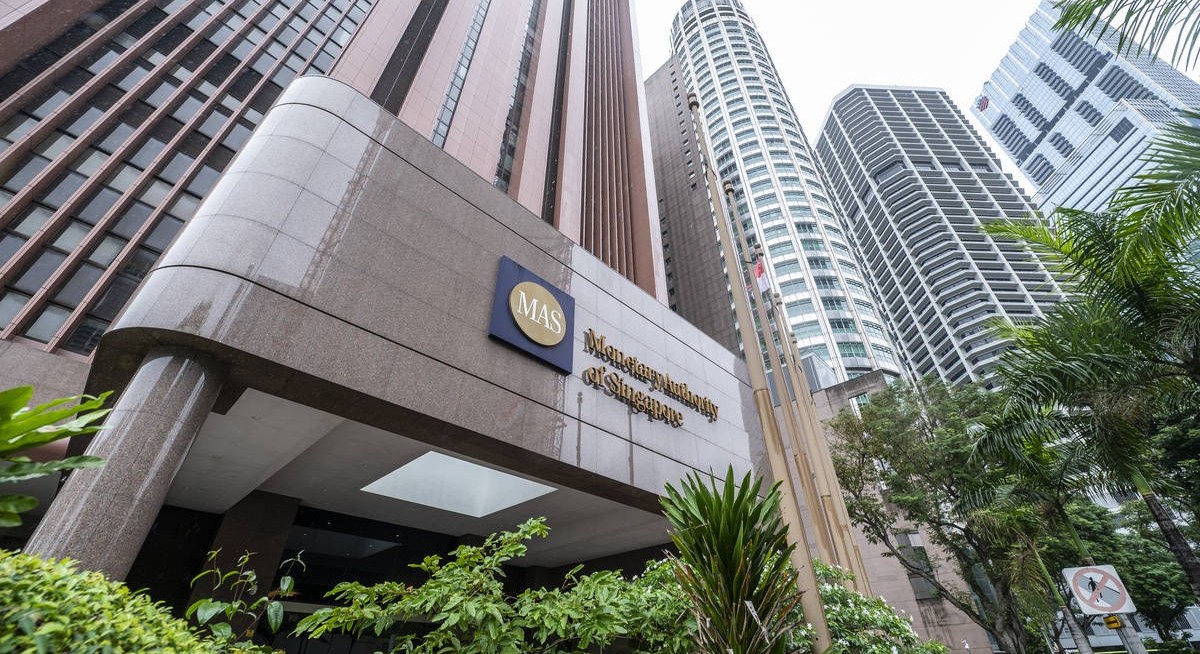


(March 24): Singapore will likely tighten monetary policy next month and consider further moves later in the year as the Middle East crisis drives up prices in the trade-reliant city state, according to economists.
The Monetary Authority of Singapore (MAS) said on Monday it would update its inflation outlook when it meets next month, warning that import cost pressures are likely to pick up in the near term. Analysts say that cue could be a prelude to the central bank hiking its policy stance.
The MAS, which unlike other central banks uses the currency to manage monetary policy, is scheduled to release its next decision no later than April 14.
Prices of petrol and diesel, taxi and air fares, as well as electricity are already being hiked, and the war in Iran appears to be deteriorating further, the economists said. At the same time, Singapore’s consumption is set to stay strong as real wages improve. That could push inflation beyond the MAS’ current forecast it could average 1%-2% in 2026, they said.
Here’s what economists said:
Bank of America Corp economists Kai Wei Ang and Rahul Bajoria
See also: Singapore’s largest taxi firm ComfortDelGro raises fares as fuel prices climb
- “Clear hints” that the core inflation forecast range for 2026 could be upgraded.
- “Clearer signs of more generalised price pressures are emerging, which at the margin could lead to sharpened policy focus on anchoring inflation expectations.”
United Overseas Bank Ltd (UOB) economist Jester Koh
- The MAS’ signal that it would update its inflation outlook could “tacitly hint” at a tightening move in April. It made a comparable statement in December 2024, before easing monetary policy the month after.
- On top of a 50-basis-point steepening of the policy slope in April, UOB pencilled in a similar move in October, with a risk that could be frontloaded to July.
- More aggressive tightening, such as an upward re-centring of the policy band, could be done in a more reactive than pre-emptive manner, only when core inflation surprises materially above MAS projections.
See also: VCCs may be used for money-laundering, warns MAS: FT
Oversea-Chinese Banking Corp (OCBC) economist Selena Ling
- The MAS’ April meeting is “live”, with the central bank possibly considering to steepen the slope of its policy band, or do a combination of steepening and recentering it higher.
- “At this juncture, it is the unpredictable combination of rising import cost pressures and a somewhat resilient domestic labour market conditions that will likely pressure core inflation higher and tip the hand of the MAS ahead.”
Maybank Securities Pte Ltd economists Chua Hak Bin and Brian Lee
- Prices of the widely used RON95 gasoline and diesel have already risen by roughly 20% and 40% respectively. Electricity tariffs will also likely be hiked significantly at their next adjustment in April.
- Rising fertiliser, cooking gas and logistics costs could push up the prices of food ingredients and food services, which account for a sizeable 20% of Singapore’s inflation basket.
- “The transmission of the war shock to prices is at a nascent stage. Inflation will likely climb more significantly and broaden in the coming months”, as businesses get squeezed and pass on the higher input costs to consumers.
Uploaded by Tham Yek Lee




