


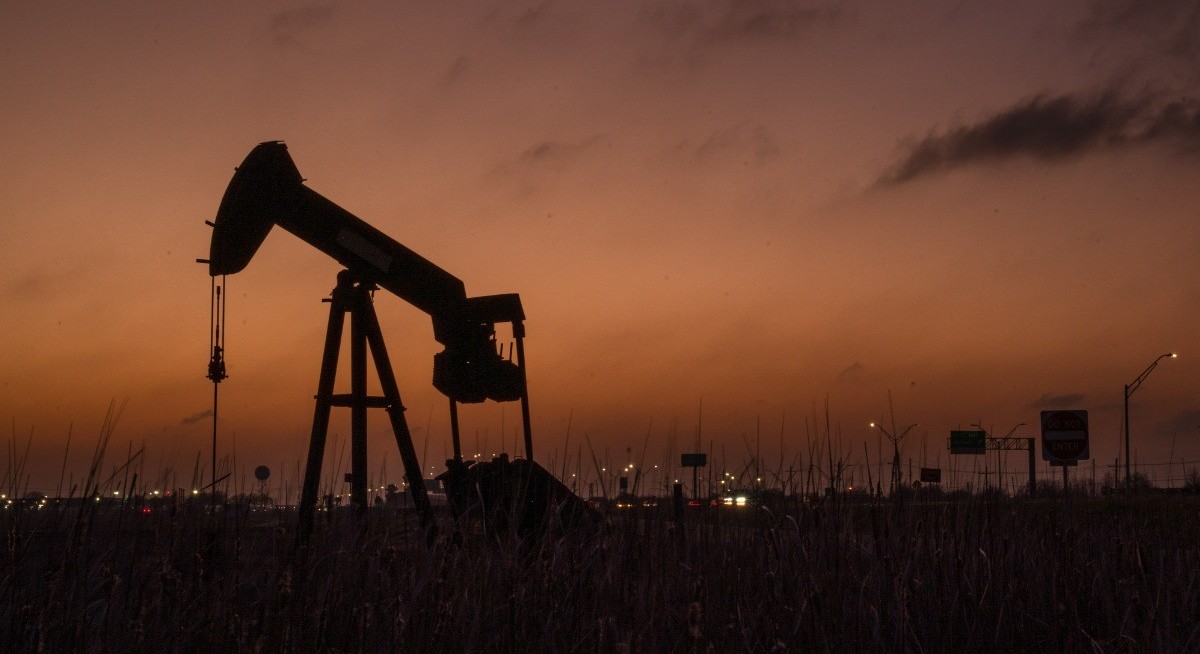


(March 21): The global oil benchmark eased from the highest levels since mid-2022 as President Donald Trump said he was considering “winding down” US military efforts against Iran, weeks into a conflict that has upended global energy markets.
Brent settled above US$112 a barrel, bringing this week’s gains to about 9%. Prices eased to trade near US$108 a barrel in thin post-settlement trading on Trump’s comments.
Still, the Strait of Hormuz, through which 20% of global oil transits, is all-but-closed, and Trump on Friday urged other nations to secure the vital waterway and said it would need to be “guarded and policed” by the countries who use it.
Some traders saw the late-Friday comments from Trump as reversing earlier signs of further escalation in the conflict. The post-market move risks catching investors who piled into bullish bets off guard.
Earlier on Friday, CBS News reported that Pentagon officials made preparations for a possible deployment of US ground troops into Iran. The report, which cited unnamed sources, said it was an option and it was unclear under what circumstances Trump would authorise such an operation.
Meanwhile, US officials said the White House is sending hundreds of Marines to the Middle East as it weighs a plan to seize Iran’s Kharg Island oil export hub. Deploying even a small number of troops on the ground in Iran carries huge risks for US President Donald Trump and threatens retaliation from Tehran with attacks on critical energy infrastructure.
See also: US crude is lagging behind as global oil prices skyrocket
Prices also moved following a Bloomberg report that Iranian officials have become reluctant to even discuss reopening the Strait of Hormuz as they focus on surviving the US-Israeli onslaught.
“Crude is closing out another volatile, headline-driven week, with strength into the weekend as traders trim short exposure,” said Rebecca Babin, senior energy trader at CIBC Private Wealth.
“Today’s move higher reflects worsening rhetoric from Iran, limited evidence of flows through the Strait, and unconfirmed reports that Kharg Island could be in play alongside increased military positioning in the region,” she added.
See also: Bessent says US may unsanction Iran oil ‘on the water’ in days
Investors had piled into bets on more price gains. Money managers have increased their bullish ICE Brent crude oil bets by 77,672 net-long positions to 428,704, weekly ICE Futures Europe data on futures and options show. The figures, which were as of Tuesday, show the strongest bullish stance in more than six years.
Big gains
Global benchmark Brent has advanced almost 50% this month, with the war approaching the end of its third week. The near-complete closure of Hormuz has left supplies stranded in the Persian Gulf and forced top Opec producers to cut output.
Iran pressed ahead with strikes on Gulf neighbours and Israeli Prime Minister Benjamin Netanyahu pledged to refrain from targeting the Islamic Republic’s energy facilities. Meanwhile, Trump sought to de-escalate attacks on oil and natural gas assets, again lashing out at Nato allies for not joining the war on Iran or helping to unblock the strait through which 20% of global oil transits.
A strike on Iran’s South Pars gas field earlier this week was followed by Tehran’s retaliation on a host of key facilities across the region, sending prices for crude and European natural gas soaring, while officials raced to contain the fallout.
Prices:
- Brent for May settlement rose 3.3% to close at US$112.19 a barrel, the highest since July 2022.
- WTI for May delivery was up 2.8% to settle at US$98.23 a barrel.
To stay ahead of Singapore and the region’s corporate and economic trends, click here for Latest Section
The less active April contract, which expired Friday, was up 2.3% to settle at US$98.32 a barrel.
In the US, pump prices for gasoline and diesel have surged to multi-year highs, posing a growing concern for the economy and for voters ahead of the midterm elections.
US efforts to tame prices, including plans to release strategic crude reserves, have widened the discount of WTI to Brent to about US$13 a barrel. The country is also the world’s top producer and neighbours Canada, a major heavy crude supplier, making it less dependent on Middle East oil than Asia and Europe.
In other energy markets, European natural gas futures surged to almost double the pre-war level. Motor fuel prices also climbed, underscoring the wider inflationary risks from the conflict, with central bankers warning that a protracted war raises the risks of tighter monetary policy.
The conflict has inflicted the biggest supply disruption in the history of the global oil market, forcing producers around the Gulf to collectively shutter roughly 10 million barrels of daily output, according to the International Energy Agency.
Saudi Arabia, the biggest crude exporter, has a base case that sees prices soar past US$180 a barrel if the disruptions last until end-April, the Wall Street Journal reported, citing unidentified officials.
The energy crisis continues to deepen, as “nothing points to a limited engagement at this juncture”, according to RBC Capital Markets LLC. Tehran is still “effectively in control of the Strait of Hormuz,” with the US strike on Kharg Island, its main export hub, failing to change its calculus, analysts including Helima Croft wrote in a note.
Uploaded by Chng Shear Lane




