


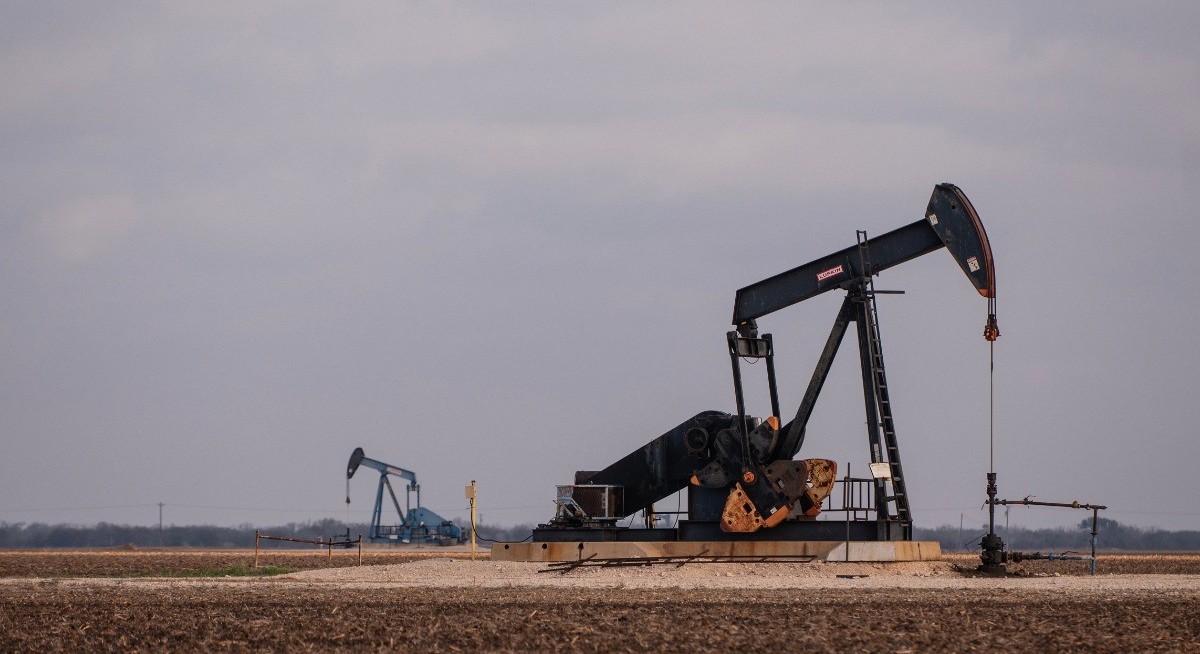


(March 19): Benchmark oil prices are soaring as war in the Middle East disrupts crude flows, but the advance is also sparking the biggest discount for US crude in more than a decade as the rally spreads unevenly across the globe.
West Texas Intermediate (WTI) traded at a discount of more than US$20 a barrel to the global Brent benchmark at one point on Thursday, the most since 2013. The nearest US futures contract is close to US$97 a barrel, while some grades in the Middle East, like Oman crude, have topped US$150 as the hostilities escalated.
That’s partly a reflection of diverging supply outlooks between regions as the conflict rages on.
Oil and gas infrastructure sites in Iran and other nations around the Persian Gulf were targeted overnight, sending non-US benchmarks soaring. The types of barrels the US produces haven’t been hit as hard, and the announcement last week of a giant release of emergency reserves is bolstering supplies for Gulf Coast refiners.

Asian buyers are heavily reliant on Middle Eastern barrels — Japan gets about 90% of its crude from Persian Gulf nations — which have been severely disrupted by the de facto halt to shipping through the Strait of Hormuz. The region’s processors have been scouring the globe for supplies and paying up to secure them, adding to the premiums for other benchmarks.
See also: Bessent says US may unsanction Iran oil ‘on the water’ in days
“This is partly due to the US being the world’s largest oil producer and the US market being well supplied with light WTI crude,” said Arne Lohmann Rasmussen, chief analyst at A/S Global Risk Management. “There is a shortage of medium-to heavy-crude from the Middle East.”
The huge discount has drawn the attention of Washington. Treasury Secretary Scott Bessent touted the large US discounts when talking to Fox Business on Thursday, claiming they were a function of US energy independence. The country is a net exporter of refined fuels, but remains a net importer of crude.

See also: Oil and gas prices jump as strikes on Gulf facilities escalate
Bessent also reiterated that the US isn’t intervening in oil derivatives markets. The deep discounts have sparked intense speculation among traders that the US would take such steps.
On other fronts, the Trump administration may decide to consider a crude-oil export levy, or possibly a ban, to combat surging energy prices caused by the war in the Middle East, according to RBC Capital Markets LLC. Speculation of US protectionist policies have exacerbated WTI’s discount, traders said.
Oil release
In the US, the 172 million-barrel release of oil stockpiles is already reshaping the futures curve. Traders are selling the nearest portion of the curve and buying later months as they seek to hedge the release, which is structured as an exchange whereby barrels are sold near and given back with interest at a later date.
The relative weakness in WTI is in part a reflection of that hedging, said Scott Shelton, an energy specialist at TP ICAP Group Plc. “Due to the liquidity and lack of shorts left, prices can drop very easily. Correlation is breaking down, so strong global crude is doing little to stop it.”
The outsized impact on oil prices in Asia has forced traders to zero in on activity far away from the world’s major derivative-trading centers of London and New York. Key news landing during Asian hours is drawing activity during times of the day that are usually the most quiet.
The imbalance has also contributed to significant losses for Chinese and Japanese refiners, which typically take short positions on derivatives priced off Asian benchmarks.
“Dubai trading around US$150 reflects the physical reality of tightness in the region, while WTI is trading more in line with expectations around possible government intervention, whether that’s an SPR release, an export restriction, or tax changes designed to keep more barrels at home,” said Rebecca Babin, a senior energy trader at CIBC Private Wealth Group.
Uploaded by Felyx Teoh




