


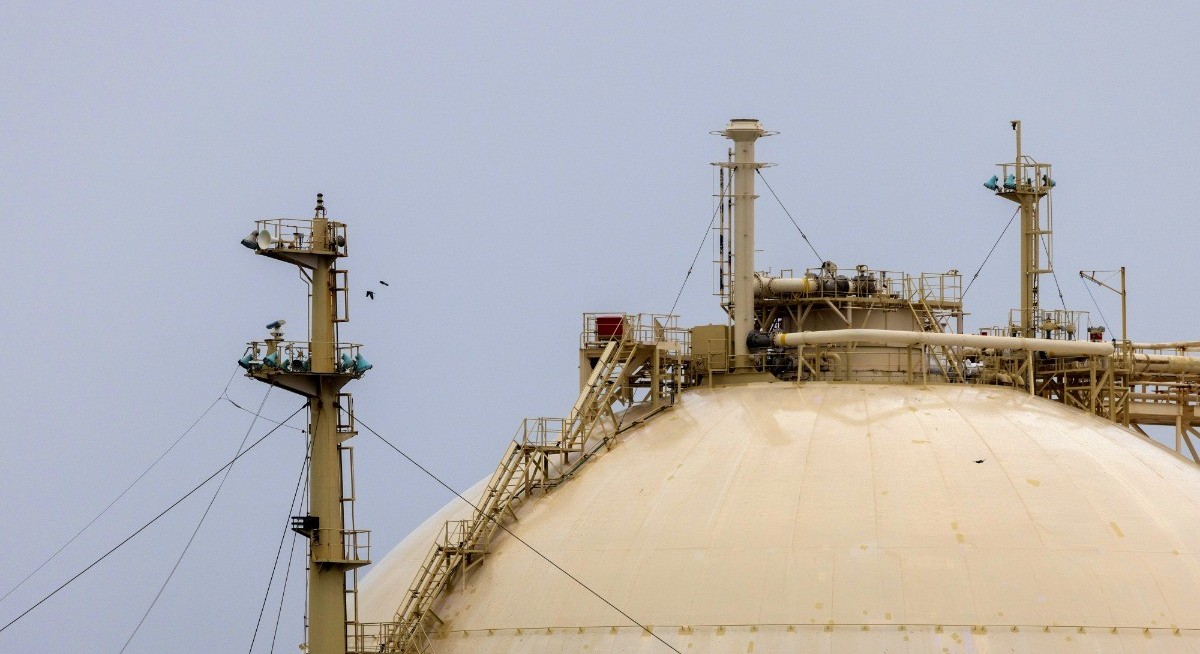


(March 19): European natural gas prices jumped after Iran intensified attacks on energy infrastructure in the Gulf, causing damage to the world’s largest liquefied natural gas export plant.
Benchmark futures rose as much as 35% on Thursday, with prices having now more than doubled since the start of the war.
QatarEnergy said several of the LNG facilities inside its Ras Laffan Industrial City were attacked by missiles, “causing sizeable fires and extensive further damage”. The complex houses a plant that typically produces about a fifth of global LNG supply. While shipments had already been halted earlier this month due to the war, the latest strikes threaten to keep gas prices in Europe and Asia higher for longer.
Abu Dhabi’s Habshan gas facilities were also shut after they were hit by falling debris from an intercepted strike. President Donald Trump said in a social media post the US will retaliate if Qatar’s LNG facilities are attacked again.
Full details of the extent of the damage and the timeline for repairs aren’t yet known. While Asian countries buy most of the LNG shipped from the Middle East, any prolonged disruption to flows would shrink the global supply balance — keeping prices elevated worldwide.

See also: US sells the most oil to Asia in three years as Iran war blocks supply from Mideast — Bloomberg
For Europe, in particular, the escalation comes at a tricky time as the region is emerging from winter with storage tanks depleted. That means it will have to buy more LNG cargoes this summer to refill them, vying with buyers from Asia for fewer available supplies.
“LNG from Qatar could in principle be offline for months and, in the worst case, for years,” said Arne Lohmann Rasmussen, chief analyst at Global Risk Management. “For the gas market, the crisis does not end simply because the war ends and the Strait of Hormuz reopens.”
The Ras Laffan plant closed earlier this month after an Iranian drone attack, the first interruption to supply in three decades of operation. Now, after further hits — in retaliation for an Israeli strike on the vast South Pars fields on Wednesday — the wider complex has suffered what Qatar describes as extensive damage, pushing back the prospect of a return to normality.
See also: World’s largest LNG plant suffers extensive damage, Qatar says
Dutch front-month futures, Europe’s gas benchmark, traded 23% higher at €67.35 ($99.01) a megawatt-hour by 8.27am in Amsterdam.
Uploaded by Chng Shear Lane




