


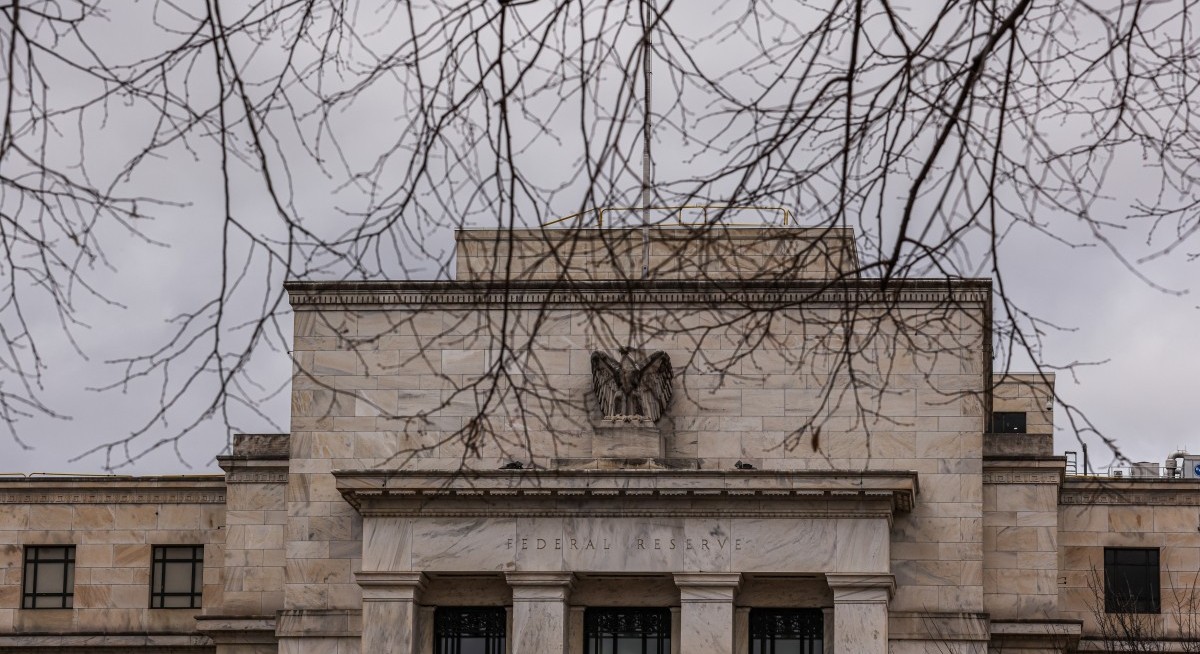


(Feb 12): The Federal Reserve (Fed) has signalled to lenders it plans to abandon some of the confidential warnings it previously sent them to improve operations as vice-chair Michelle Bowman continues to relax the central bank’s oversight of US financial firms.
The Fed’s supervision staff told banks around the nation earlier this month that examiners would begin reviews of the outstanding warnings, which are private orders to fix deficiencies, according to people familiar with the matter.
Warnings will be eliminated if they don’t align with the Fed’s recent directive for examiners to concentrate more on immediate risks to a bank’s financial health and less on processes and procedures, according to the people. Executives at each firm will get the opportunity to engage on a plan to resolve the remaining warnings, said the people, who asked for anonymity because the change hasn’t been publicly announced.
Regulators at the Fed direct banks to address concerns by issuing them so-called “matters requiring attention” or the more urgent “matters requiring immediate attention”. Those warnings typically don’t come with penalties but could lead to more punitive measures if the issues aren’t resolved. Either could be triggered by concern about myriad aspects of a bank’s operations, ranging from its financial condition to cyber readiness or succession planning.
The Fed will still issue those directives during its regular exams if examiners find something amiss, but the threshold will be higher, according to the people.
Easier regimen
See also: US adds 130,000 jobs and unemployment falls after tepid 2025
President Donald Trump’s financial regulators have promised to relax Washington’s matrix of rules, which bankers contend have become too complex as they accumulated in the years since the Great Financial Crisis. The bankers say the burden has added costs and discouraged lending without necessarily making the system safer. Bowman has committed to a comprehensive overhaul of the way the agency oversees risk with more transparency.
A representative of the Fed declined to comment.
The new review is aimed to help examiners “enhance the effectiveness of supervision by focusing on material financial risks to a bank’s safety and soundness,” according to a Fed memo to the staff reviewed by Bloomberg.
See also: Option traders see payrolls cementing two or three cuts in 2026
The Fed memo doesn’t direct examiners to automatically drop warnings. Rather, it calls for an initial review “to resolve clear-cut cases”. Then a second phase would review “close-call” warnings.
The review will ensure examiners’ supervisory findings are “based on deficiencies which, if not remediated in a timely manner, would create a significant probability of higher-than-normal harm to the financial condition of the supervised firm,” rather than concerns about policies, procedures or controls, according to the Fed memo. Warnings must be issued in “plain language and sufficient specificity.”
The effort to scale back unresolved warnings would occur in stages through examiner reviews, the people said. Consumer deficiencies or material risks are not included in the review, said the people.
Reviews underway
The reviews have begun and will occur through the end of March, some of the people said. A determination will be made by the end of July. At that time, banks will be asked to cooperate with their examiners to clarify what steps have or haven’t been taken to improve lapses in areas such as risk management, compliance and financial condition. In some cases, the Fed may downgrade a compliance warning to become a supervisory observation that doesn’t require a firm to resolve it.
The Fed’s review of a warning to a bank’s holding company may involve consultation with a bank subsidiary’s federal or state regulator, the people said.
Some Fed governors, including Michael Barr, have warned that relaxing supervision could undermine oversight of Wall Street lending giants.
To stay ahead of Singapore and the region’s corporate and economic trends, click here for Latest Section
The Fed’s review follows other coordinated moves by big-bank watchdogs to refocus supervision on core financial risks.
In December, the Office of the Comptroller of the Currency removed part of a penalty it imposed on Citigroup Inc. a year prior, a significant sign that bank had come closer to completing its longstanding effort to improve risk management and compliance.
The Federal Deposit Insurance Corp also established in January a new unit of supervisory appeals to serve as the “final level of review of material supervisory determinations”.
Uploaded by Isabelle Francis




