


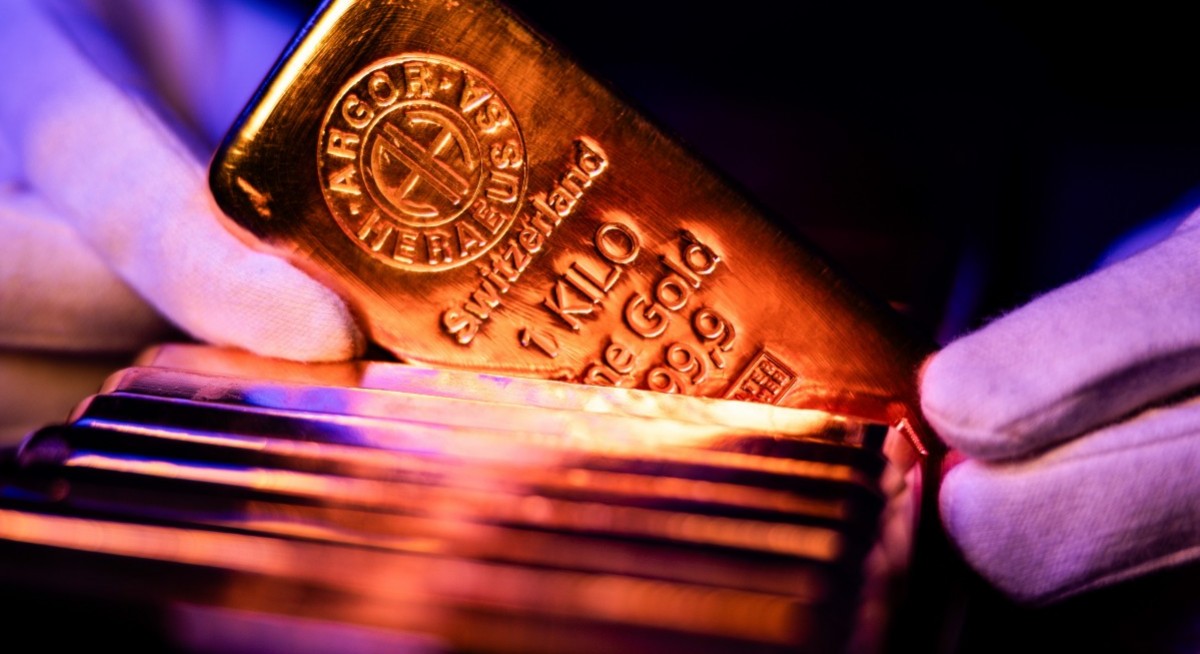


(Jan 26): The dollar weakened in early Monday trading on concern the US may assist Japan in currency intervention. Gold climbed above US$5,000 for the first time.
The greenback dropped against all its Group-of-10 peers, while the yen gained following a warning to the market on Sunday by Japanese Prime Minister Sanae Takaichi and signs on Friday that the US may join Japan to defend the nation’s currency. The dollar fell the most since May last week amid unpredictable US policymaking, tariff tensions between the US and Europe and renewed attacks on the Fed’s independence.
US equity-index futures dropped in early Asian trading as concerns also rose about another US government shutdown.
This cocktail of risks will further dent the greenback, said Vaibhav Loomba, group head of foreign-exchange and rates at Klay Group, who sees the US Dollar Index falling by 3%-to-5% by end-June.
“The main factor behind this is tariffs. I don’t think chatter about independence is going to go away till mid-May.”
Attention is turning to the dollar and Japan once again after a sharp rise in the country’s bond yields unsettled global fixed-income markets last week. The coming days are pivotal for investors as the Federal Reserve prepares to deliver its policy decision and megacaps, including Microsoft Corp and Tesla Inc, report earnings.
See also: Asian stocks rise before jobs data; gold gains
The yen’s jump in the US session on Friday came as traders reported that the Federal Reserve Bank of New York had called financial institutions to ask about the yen’s exchange rate.
Wall Street saw it as an indication that the bank was preparing to assist Japanese officials to intervene directly in the currency market to prop up the yen.
“Rate checks are typically the last warning before such action takes place,” said Michael Brown, a senior research strategist at Pepperstone Group Ltd, referring to currency market intervention. “The Takaichi administration appears to have a much, much lower tolerance for speculative FX moves than their predecessors.”
See also: Foreigners buy most Thai stocks in four years after election
Meanwhile, equity-index futures pointed to losses for gauges in Japan and slight gains in Hong Kong and South Korea. Markets are closed in Australia and India. In early Asian trading, contracts for the S&P 500 and the Nasdaq 100 fell over 0.7%.
Over the weekend, concerns about another US government shutdown increased as Senate Democratic leader Chuck Schumer vowed to block a massive spending package unless Republicans strip funding for the Department of Homeland Security. That dramatically raised the risk of a partial US government shutdown.
Traders are also paying attention to geopolitical tensions after President Donald Trump dispatched naval assets to the Middle East, prompting fresh speculation that he’ll follow through on threats to attack Iran’s senior leadership amid a violent crackdown on nationwide protests.
Trump also threatened Canada with 100% tariffs against all its exports to the US if it made a trade deal with China, escalating tensions between Washington and its northern neighbour.
The main event for later this week will be the interest-rate decision by the Fed. The US central bank is widely expected to keep rates unchanged on Wednesday, even as Trump calls for lower borrowing costs.
Bond investors will also turn their focus to leadership change at the central bank after Trump said last week he will soon reveal a successor to Chair Jerome Powell.
Meanwhile, Gold advanced beyond US$5,000 an ounce for the first time, extending a breakneck rally fueled by Trump’s reshaping of international relations and investor flight from sovereign bonds and currencies. Silver topped US$100 an ounce for the first time last week, extending a scorching rally built on surging demand for haven assets and frenzied buying in retail markets from Shanghai to New York.
Uploaded by Isabelle Francis




