




“Solving the T+1 problem in Asia, even with the success so far in the US and the moves by Europe, has a different set of challenges versus the West,” said Lyndon Chao, ASIFMA’s managing director of equities and post trade, in an interview.
Global markets have been formulating plans to move toward a T+1 settlement, or a one-day period, following the US adoption in 2024. The European Union and the UK are set to complete their transition in 2027. India already settles trades on day one while mainland China even settles stocks on the same day.
Before aligning with the Western-led push for more efficient settlement, Asian markets must significantly invest to automate critical post-trade functions, the paper said. These include trade confirmation, settlement pre-matching, standing settlement instructions maintenance, and stock borrowing and lending processes, according to the paper.

See also: Asian stocks rise before jobs data; gold gains
Unlike the US and most of Europe, Asian markets trade with local currencies — some with restricted convertibility — while serving about 30% to 50% of trades originated from outside the timezone, Chao said.
Asian markets currently have far fewer failed trades compared to the US and Europe, the paper said. Shrinking to T+1 under current conditions will likely increase the fail rate and could cause technical breaches such as naked short selling with criminal consequences, Chao said.

See also: Foreigners buy most Thai stocks in four years after election
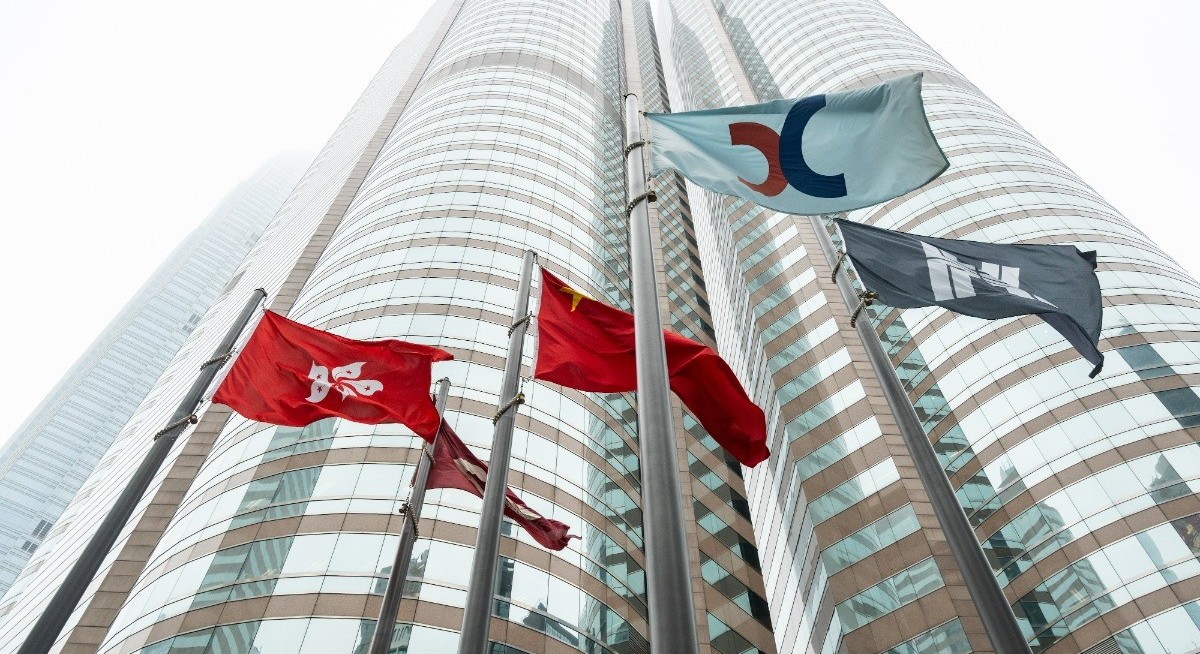
In Hong Kong, the city’s exchange has said it will be technically ready by the end of this year, but regulators have given no set time frame. There have been concerns, particularly among smaller brokers, as it requires firms to upgrade their back office technology, often at a significant cost.
Hong Kong may have a greater incentive to align with China’s shorter settlement cycle given that about 57% of the city’s trade is routed from mainland Chinese investors through the southbound trading link, Chao said.
The international community is closely watching how Hong Kong balances the "China factor" against its international considerations, he said.
“The more friction that gets created for global investors trading Hong Kong, the less attractive Hong Kong might be to global investors as an investment destination,” he said.
ASIFMA’s report surveyed 53 funds, brokers, and custody banks. The association represents over 150 financial institutions across the region.
Uploaded by Chng Shear Lane




