


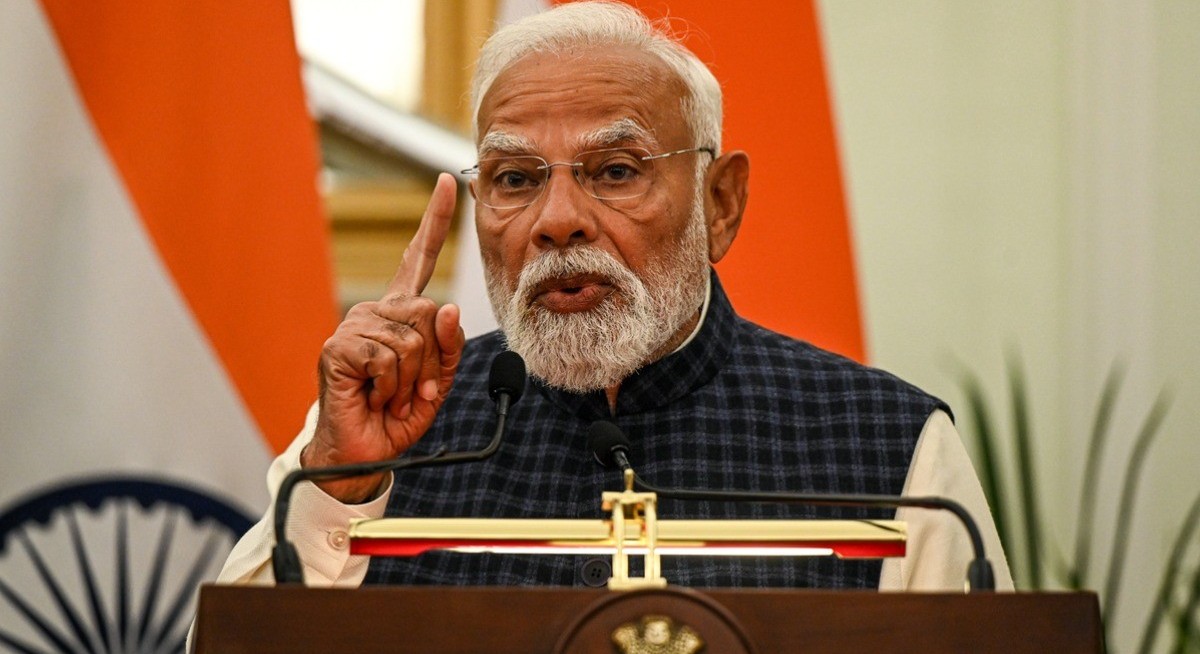


(Feb 1): Indian Prime Minister Narendra Modi’s government plans to sell a record amount of bonds in the coming fiscal year, a move that risks adding further pressure to local debt markets amid waning demand.
New Delhi plans to borrow 17.2 trillion rupees (US$187 billion) in the year starting April 1, Finance Minister Nirmala Sitharaman said in her budget speech on Sunday. That represents an increase of about 18% from the current year’s revised number and is higher than the 16.5 trillion rupees estimated in a Bloomberg News survey.
The increase may pressure sovereign bond yields, which are near the highest in almost a year amid heavy issuance by state governments and softening demand from pension and insurance funds. Rising financing costs risk worsening strain on an economy grappling with steep US tariffs, while the central bank has limited room to cut interest rates further to support growth.
The mounting debt supply and lack of further interest-rate cuts may push the 10-year bond yield up to 7% in the coming weeks, said Abhishek Upadhyay, economist at ICICI Securities Primary Dealership Ltd. The yield closed at 6.70% on Friday.
The government projected a narrower fiscal deficit of 4.3% of gross domestic product for the next fiscal year, against an estimated 4.2% in the Bloomberg poll, and compared with 4.4% for the current year.
The pace of fiscal consolidation is quite modest, as the government may be running out of space to curb spending, said Upadhyay.
See also: UK builders hopeful of turnaround as PMI shows economy improving
Net borrowing, which strips out redemptions, is estimated to be 11.7 trillion rupees in the next fiscal year. That’s slightly higher than the current year’s revised figure of 11.3 trillion rupees. Redemptions in the coming fiscal year are pegged at about 5.5 trillion rupees, a nearly 70% annual increase.
The 10-year yield rose to 6.73% last week, the highest since March 2025, as rising state bond sales amid increased welfare spending added to debt-supply pressures.
RBI support
See also: Prabowo names ex-central banker as deputy finance minister
The Reserve Bank of India’s foreign-exchange interventions to support the rupee have also tightened liquidity in the banking system, partly weighing on demand for bonds.
To offset that, the central bank has stepped up bond purchases to inject cash into the banking system, with yields still near levels seen before last year’s 125 basis points of rate reductions.
Traders’ focus will now shift to the RBI’s monetary policy statement on Feb 6.
The central bank will need to ramp up its bond purchases to support liquidity, and buy debt at regular intervals to provide yield signals, said Alok Sharma, head of treasury at Industrial and Commercial Bank of China at Mumbai.
“Active liquidity management will be required, or the path of least resistance is only upwards for yields,” he said.
Uploaded by Liza Shireen Koshy




