


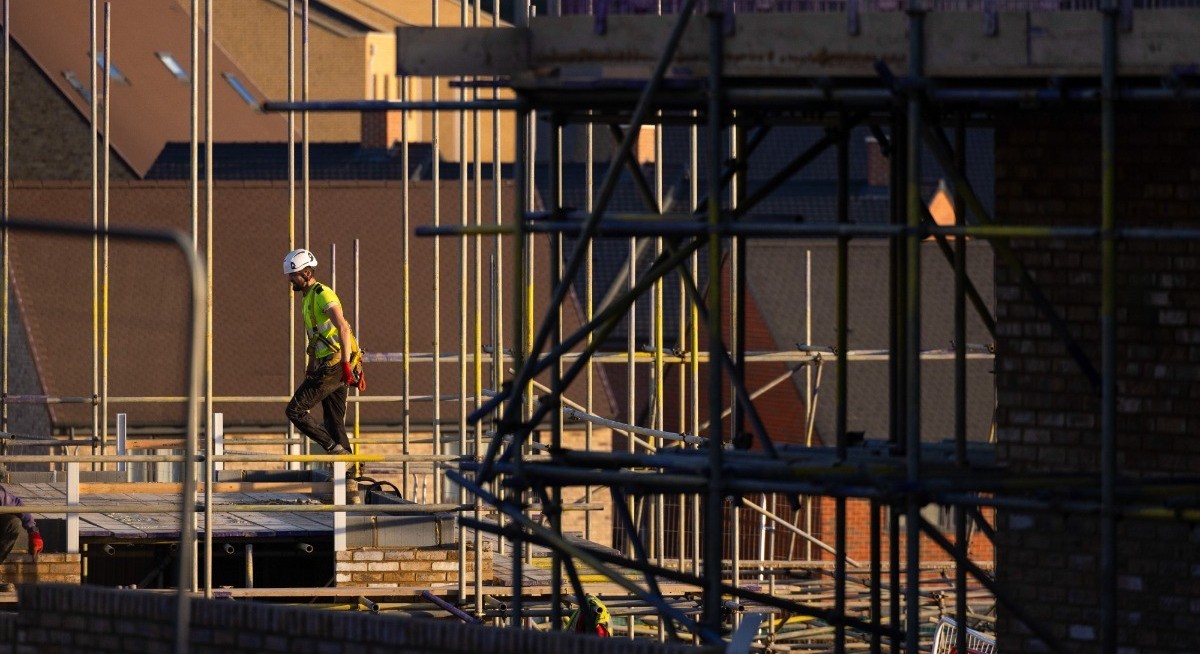


(Feb 5): Britain’s construction industry shrank for a 13th straight month in January, according to a prominent survey, but the pace of decline eased and builders are increasingly confident of a turnaround.
S&P Global’s overall construction purchasing managers’ index (PMI) rose to 46.4 from December’s 40.1. Although the indicator remained below the 50 threshold signalling contraction, it was the highest reading in seven months and was well above economists’ expectations of 42.
“January data provided encouraging signs that the UK construction sector has exited its tailspin, and firms are becoming more hopeful that new projects will get back on track in 2026,” said Tim Moore, economics director at S&P Global Market Intelligence.

All sectors of the index recovered from December’s lows thanks to stabilising demand after Chancellor of the Exchequer Rachel Reeves’ budget on Nov 26. Total new work declined at the slowest pace in three months, helped by a public sector rebound and a boost in commercial sales enquiries.
Housebuilding — a priority for the Labour government which promised to deliver 1.5 million new homes — remains plagued by sluggish demand, weak client confidence and a lack of new project starts, making it the weakest construction sub-sector. However, S&P’s report pointed to signs of a turnaround, as it showed residential activity recovering from the Covid-era lows recorded last month.
See also: Prabowo names ex-central banker as deputy finance minister
Builders across sectors continue to struggle with cost pressures eating into their margins. Firms reported the sharpest increase in purchasing costs since September amid higher wages and raw material prices. These headwinds prompted construction companies to cut jobs for the 13th consecutive month.
Still, improving sentiment around investments and lower interest rates boosted optimism for the year ahead. S&P’s confidence measure rose to the highest since May 2025, with almost 40% of the firms surveyed predicting output will improve in the next 12 months. Just 17% expect activity to fall.
Uploaded by Felyx Teoh




