


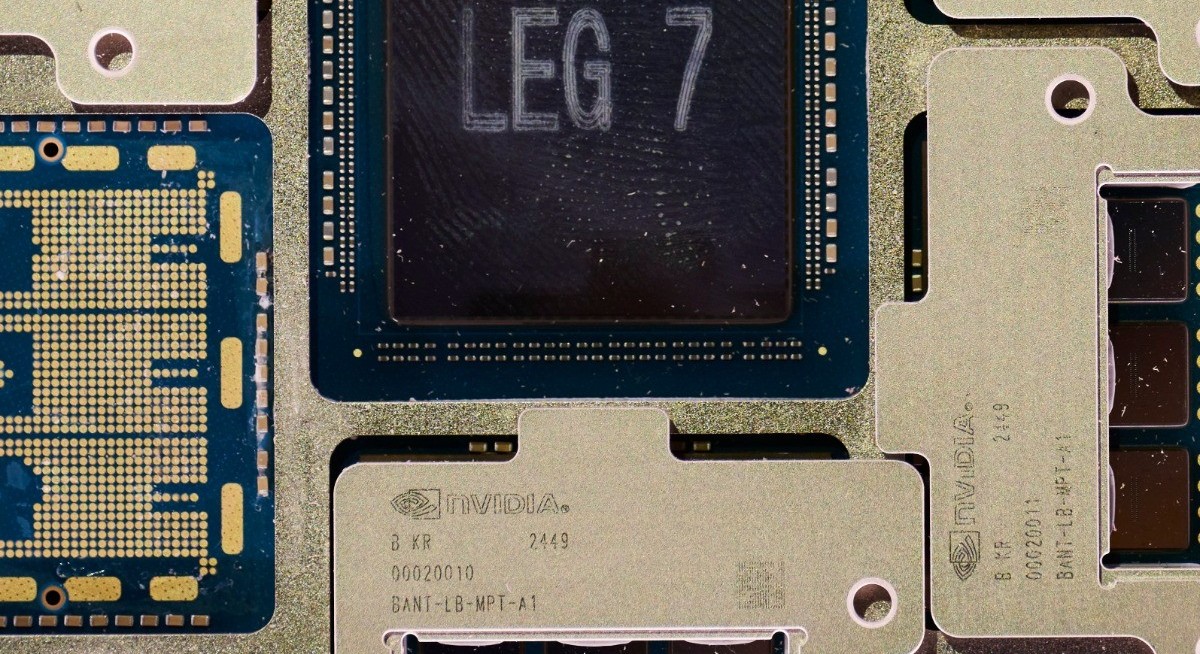


(Feb 6): The semiconductor industry will reach US$1 trillion ($1.3 trillion) in revenue this year for the first time ever, fuelled by artificial intelligence and the spread of computer chips to virtually every part of the economy.
Total industry sales were US$791.7 billion in 2025 and are forecast to chalk up another 26% surge in 2026, according to the Semiconductor Industry Association. The market is hitting the US$1 trillion milestone much faster than originally anticipated — something that bodes well for the business world at large, according to SIA chief executive officer John Neuffer.
“When we have growth in our sector, it means exponential benefits in other sectors,” Neuffer said in an interview. “Our technology is foundational for pretty much every critical strategic industry. It’s a pretty good fundamental sign.”
Colossal demand for new data centre computers has provided a bonanza for Nvidia Corp, Micron Technology Inc and other chipmakers. That’s allowed the industry to keep eclipsing growth estimates. Forecasters previously thought it might take four more years to reach a trillion-dollar level, Neuffer said.
Revenue from logic chips — often described as the brains of devices — soared 40% to US$301.9 billion in 2025. Sales of memory semiconductors, which help computers store and manage data, grew 35% to US$223.1 billion. On a regional basis, Asia-Pacific, the Americas, Europe and China posted growth, with only Japan declining.
The chip market will continue to have its characteristic boom-and-bust cycles, but the long-term upward trend is clearly established, Neuffer said.
See also: TikTok hit by EU ultimatum over addictive design dangers
“We do like our oscillations, and this is no doubt going to continue,” he said. “The pie is just simply getting bigger.”
US-China trade tensions have cast a cloud over the industry, with Washington imposing increasingly restrictive export curbs in recent years. But those are now easing, Neuffer said.
For the US chip industry to thrive in the long run, there needs to more state support of research and development, he said, as well as immigration reform that allows the country to attract and retain overseas talent.
Uploaded by Magessan Varatharaja




