


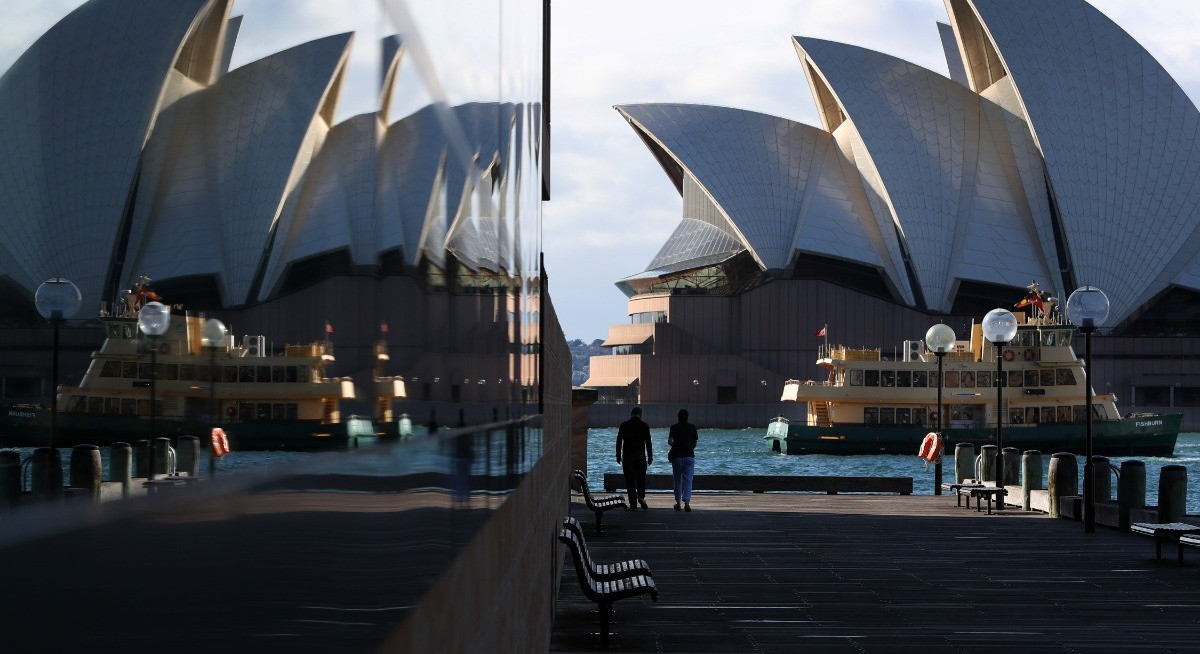


(Feb 3): Australia’s central bank raised its key interest rate on Tuesday, becoming the first major monetary authority to hike this year, as it judged domestic inflation pressures were persistent enough to warrant renewed restraint.
The Reserve Bank’s board increased its cash rate to 3.85% from 3.6% in a unanimous decision, according to a statement, taking back one of three reductions it delivered last year. The result was anticipated by most economists and traders and reflects data showing a stronger economy running up against capacity constraints.
“A wide range of data over recent months have confirmed that inflationary pressures picked up materially in the second half of 2025,” the rate-setting board said in the statement. “The board judged that inflation is likely to remain above target for some time.”
The Australian dollar extended an early gain, rising 1% to trade above 70 US cents while yield on policy-sensitive three-year bonds jumped 10 basis points as traders cemented bets on a further RBA rate hike this year. Swaps markets priced a two-thirds chance the next move will be by June, up from a less than 50% chance prior to the decision. Traders see the hike occurring by August.
“The RBA has opted for a more aggressive approach to re-taming inflation,” said KPMG chief economist Brendan Rynne. “This sends a strong message to households and businesses to temper spending in this tight supply environment.”

See also: Eurozone inflation rate falls to lowest in more than a year
Australian policymakers have been wrong-footed by a regathering of price strength, led by services and housing costs, against the backdrop of a still-tight labour market. Australia last year recorded one of the shortest and shallowest easing cycles in the developed world.
The RBA raised forecasts for inflation, economic growth and employment for this year despite an assumption of two rate hikes, according to its quarterly Statement on Monetary Policy. The trimmed mean figure, which excludes volatile items, is now seen staying above the 2%-3% target range this year and doesn’t hit the midpoint of the band through end-2027.
“There are uncertainties about the outlook for domestic economic activity and inflation and the extent to which monetary policy is restrictive,” the RBA’s board said. “It is evident that private demand is growing more quickly than expected, capacity pressures are greater than previously assessed and labour market conditions are a little tight.”
See also: India’s record US$187 bil debt sales add pressure to bonds
Australia’s economy is operating close to capacity, with unemployment at historically low levels and inflation pushing back above the top of the 2%-3% target. Data this week showed job advertisements — a forward-looking measure of employment — posted their strongest monthly gain since February 2022. Separate figures showed Australia’s home-price growth stayed strong in January.
Over in the US, traders are sticking with bets for the Federal Reserve to deliver two rate cuts this year. The divergence has already driven a heavy selloff in Australian bonds with the yield premium that 10-year notes offer over Treasuries sitting near the widest since mid-2022.
The RBA’s hawkish statement extended the Aussie’s gain this year to about 5%, the best performer among Group-of-10 currencies, as the prospect of rate hikes in Australia compared to a cut in the US helped the case of currency traders who favour the former. The rally in commodities and continued investor interest in non-US assets have also supported the Aussie.
“While rates markets are feeling some pain here and Australian dollar more love, we think this was the right thing to do,” said Robert Thompson, macro rates strategist at the Royal Bank of Canada. “Inflation was becoming a problem, addressing it head-on was the prudent course of action, and the RBA isn’t risking falling behind the curve by relying on hope when faced with a solid six months of above-target inflation.”

The RBA operates under a dual mandate that aims for inflation at the 2.5% midpoint of its target range while trying to keep the economy at maximum sustainable employment.
A report last week showed a closely-watched trimmed mean inflation gauge, which excludes volatile items, climbed a faster-than-forecast 3.4% in the fourth quarter from a year earlier. The print came just days after unemployment surprisingly fell back to 4.1% in December, both results that signal price strength remains a feature of the economy.
Uploaded by Chng Shear Lane




