


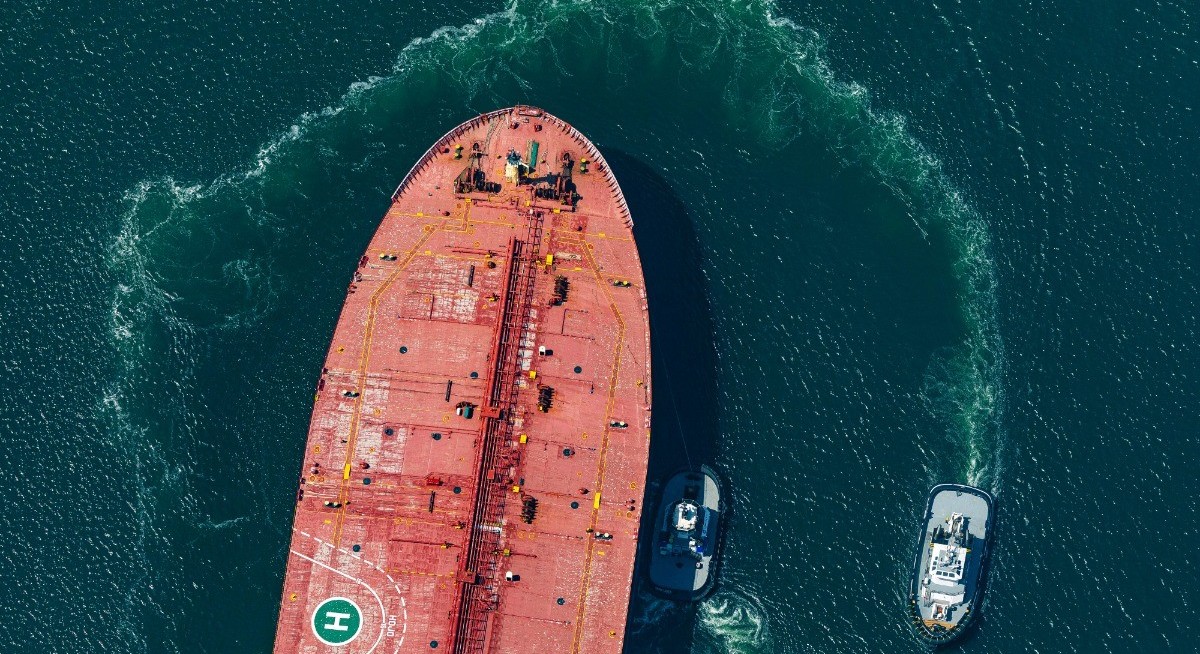


(April 20): Iran wavered on whether to send diplomats to Pakistan for a second round of peace talks after the US maintained a blockade of the Strait of Hormuz and seized an Iranian ship, dimming hopes of a breakthrough in efforts to end the war.
Tehran has no plans to attend the potential negotiations though a final decision hasn’t been made, Foreign Ministry spokesman Esmail Baghaei told reporters on Monday.
“There are various indications that there is no seriousness on the US side in advancing diplomacy,” he said. Iran is reviewing a US proposal delivered during a visit by Pakistan’s army chief Asim Munir, he added, according to the semi-official Iranian Students’ News Agency. The details of the offer were not disclosed.
Baghaei’s comments added to uncertainty over the weekend about whether the two sides will meet before a nascent ceasefire announced April 7 expires late US time on Tuesday. Differences remain on a host of key issues, including Iran’s nuclear programme and control over Hormuz, a key waterway for global energy supplies.
US President Donald Trump said Sunday that special envoy Steve Witkoff is travelling to Pakistan for talks on Tuesday, according to Fox, though the US leader reverted to his escalatory rhetoric on social media, threatening the Islamic Republic with mass destruction in the event a deal isn’t reached.
“We are offering a very fair and reasonable deal, and I hope they take it because, if they don’t, the United States is going to knock out every single power plant, and every single bridge, in Iran,” Trump said in a post on Sunday. “No more Mr Nice Guy!”
See also: Xi urges ceasefire, full Hormuz transit in Saudi call
The language marks an abrupt shift from last Friday, when Trump said an agreement with Iran was all but finalised. Iranian officials have denied conceding to key US demands, including ending the country’s nuclear programme and handing over stockpiles of enriched uranium.
“Transfer of enriched uranium materials were never discussed during this round of negotiations, nor before it,” Baghaei said. The two sides met in Islamabad over the April 11-12 weekend, though an agreement was not formally reached.
Iran, which has kept Hormuz effectively shut to all but its own oil shipments since the start of the war, announced it would reopen the strait last Friday, causing oil prices to plunge. Tehran quickly reversed the decision over the weekend after the US refused to lift its own blockade, and the US Navy then fired upon and boarded an Iranian-flagged cargo ship in the Gulf of Oman.
See also: Pakistan prepares for second round of US-Iran talks

That was the first such incident since Washington adopted the blockade strategy a week ago. The strait remained all but shut on Monday, exacerbating a global supply crisis that has been building since the US and Israel started bombing Iran at the end of February.
Normal passage through the strait should be maintained, Chinese President Xi Jinping said in a call with Saudi Arabia’s Crown Prince Mohammed bin Salman, calling for an immediate and comprehensive ceasefire.
The war and the Hormuz closure have contributed to a squeeze on exports to China, and has forced Beijing to import a record volume of US ethane as petrochemical producers seek alternative feedstocks. About a fifth of the world’s oil and liquefied natural gas flowed through the chokepoint before the war started.
Oil jumped and US stocks and Treasuries retreated as investors turned cautious following the weekend Hormuz setbacks. Brent crude traded 4.6% higher at almost US$95 ($120.78) a barrel, erasing much of its Friday declines.
The S&P 500 was on track to open 0.5% lower following a succession of record highs. European stocks slid 1.1%.
Despite Iran’s reticence over the talks, President Masoud Pezeshkian said there’s no appetite for a return to fighting, saying “all rational and diplomatic avenues should be used to reduce tensions”, according to the state-run Islamic Republic News Agency.
To stay ahead of Singapore and the region’s corporate and economic trends, click here for Latest Section
“War is in no one’s interest,” he added. Thousands were killed in just over a month of fighting, the majority in Iran.
Israel, which agreed to a ceasefire in Lebanon last week, nevertheless struck targets in its northern neighbour on Saturday, illustrating the fragile nature of its truce with Tehran-backed Hezbollah. Israeli troops remain in south Lebanon, but a relative pause in hostilities may prove critical if Iran is to agree to a formalised peace deal.
US Central Command, which oversees military operations in the Middle East, issued a statement saying that the seized Iranian ship, known as Touska, failed for six hours to comply with warnings to stop. The Navy ordered the ship to evacuate its engine room before firing several rounds from a 5-inch MK45 gun to disable the ship. US Marines boarded the vessel and took control, Centcom said.
Trump said in a social media post that the ship “tried to get past our naval blockade, and it did not go well for them”. The ship was sanctioned by the Treasury and the US now has possession.
Iran will respond soon to the US action, Iranian news outlet Press TV reported, citing the country’s military command.
Iran also set out new fee rules for Hormuz and said its Parliament was working to pass a law to manage the strait, including prohibiting ships affiliated with Israel. Vessels from other “hostile countries” will not be allowed to pass without permission from the Supreme National Security Council, it said.
The US naval blockade is allowing ships carrying non-Iranian cargo to depart the Persian Gulf but not any ships that left Iranian ports, which led to the Islamic Republic re-closing the strait.
“It is impossible for others to pass through the Strait of Hormuz while we cannot,” Iran’s Parliament Speaker Mohammad Bagher Ghalibaf — who led the Iranian delegation in talks with the US this month in Pakistan — said over the weekend.
The Joint Maritime Information Center, an international group that shares information about shipping routes, reported multiple attacks by Iranian forces on vessels in the strait as well as the presence of mines and said the overall risk level was “critical”.
Uploaded by Tham Yek Lee




