




(April 20): The US on Monday kicked off its major annual joint Indo-Pacific military drills in the Philippines, seeking to reassure allies of its regional defence commitments while embroiled in a war with Iran.
More than 17,000 troops from seven nations — including Canada, Australia, New Zealand, France and, for the first time, Japan — will join this year’s maritime and live-fire drills, which run until May 8. Nearly 10,000 will come from the US — a slightly bigger contingent compared to last year but smaller than previous exercises.
The drills, known as Balikatan, will take place near regional flash points in the South China Sea and Taiwan Strait. They also start a day after China dispatched a group of warships to hold drills in the western Pacific Ocean.
“Regardless of the challenges elsewhere in the world, the United States’ focus on the Indo-Pacific and our ironclad commitment to the Philippines remain unwavering,” Lieutenant General Christian Wortman, the US director for the exercises, said in a briefing.
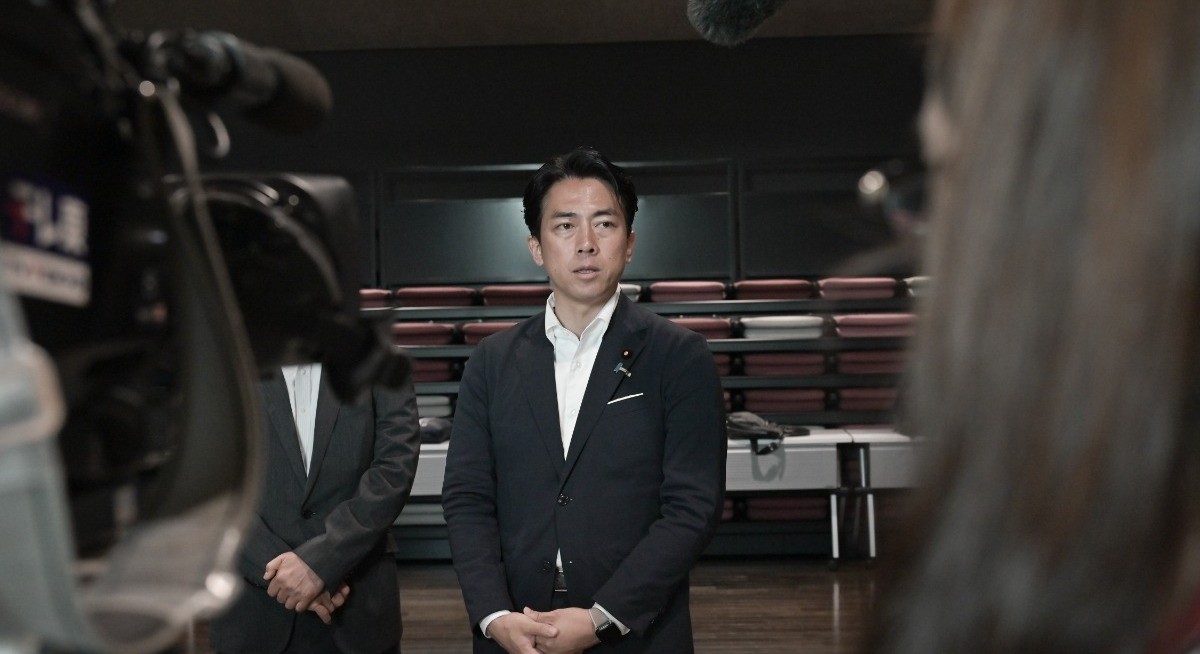
Tokyo will deploy 1,400 troops to join combat drills for the first time. Japan’s Defence Minister Shinjiro Koizumi is also expected to observe a ship-sinking drill next month, where Tokyo will fire its Type 88 missile, alongside US and Philippine weapons.
Troops will train using Typhon missile systems, developed by US-based Lockheed Martin Corp, as well as simulated firing of BrahMos cruise missiles, jointly developed by India and Russia and purchased by the Philippines.
See also: Hormuz traffic at standstill as US vessel seizure widens risk
The annual drills come as the Iran war has strained Washington’s relations with allies and left it looking weakened against adversaries. The conflict has also caused crude costs to surge, threatening economic growth across Asia.
Ahead of the drills, the US tried to strike a reassuring tone. US Colonel Robert Bunn, a spokesperson for the event, earlier highlighted the region’s importance and America’s commitment to its alliances.
The military exercises are also being conducted under the shadow of China’s lingering tensions with key US allies in Asia. Beijing last week accused Tokyo of stirring “trouble” after a Japanese naval vessel transited the Taiwan Strait.
See also: Trump says Iran to suspend nuclear program, won’t get funds
China and the Philippines have been locked in a spat in the disputed South China Sea, with Beijing’s alleged use of cyanide and flares recently inflaming tensions.
President Ferdinand Marcos Jr has strengthened the Philippines’ defence alliance with the US, while also entering into recent military agreements with France, Canada and New Zealand.
The expansion of this year’s exercises “shows that more and more nations are working towards a common goal, that is to maintain a free and open Indo-Pacific”, said Philippine military spokesperson Colonel Francel Margareth Padilla. The Southeast Asian nation’s armed forces has also maintained that the drills are not based on any geopolitical rivalry.
Uploaded by Tham Yek Lee




