




(April 20): Pakistan was gearing up to host a possible second round of US–Iran talks, even as uncertainty loomed over whether or not they would take place.
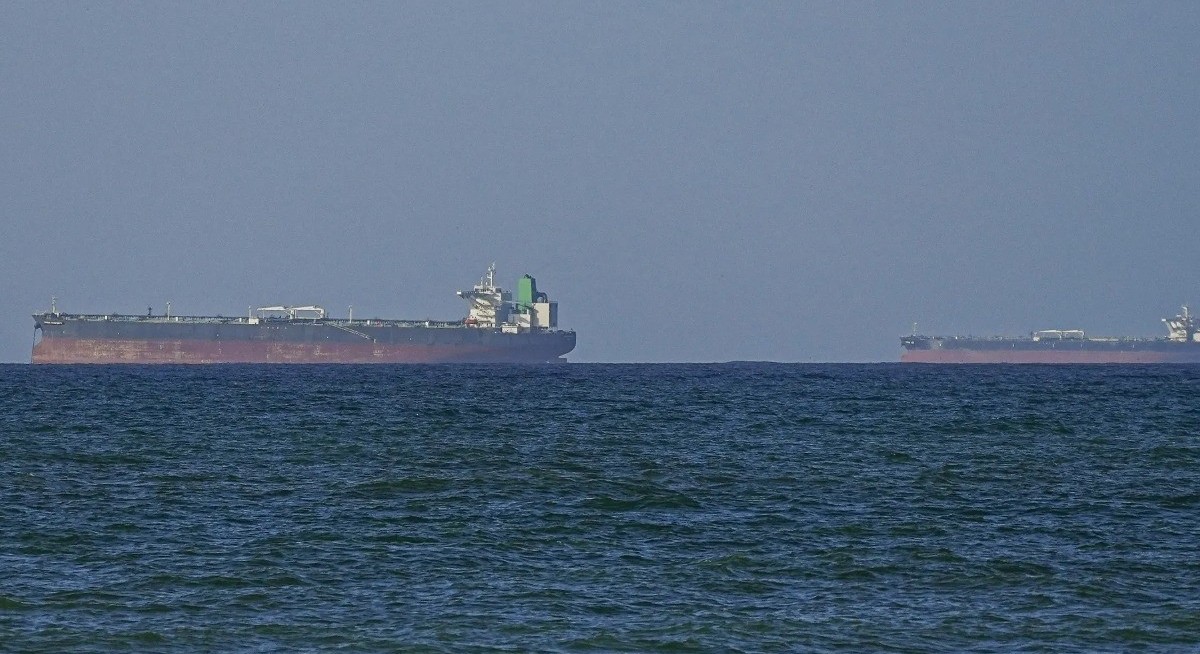
The talks were thrown into doubt over the weekend when the US Navy fired upon and boarded an Iranian-flagged cargo ship in the Gulf of Oman, the first seizure in the US blockade of the Strait of Hormuz.
Pakistan has emerged as the key mediator in brokering a peace deal, hosting the first round of talks on April 11-12. On Monday, security arrangements were again underway in the capital Islamabad.
The sensitive ‘Red Zone’ that houses government buildings and the guarded Diplomatic Enclave where most embassies are located has been blocked off to traffic. Inside the zone, the Serena Hotel where Iranian and US officials spent hours locked in negotiations has been closed off to the public. The Marriot and Movenpick hotels have also stopped taking reservations for the next few days.
Offices and schools within the zone have been advised to work from home and public transport across the city has been suspended.
On Sunday evening, US President Donald Trump confirmed a delegation will be travelling to Pakistan on Monday. The delegation will be led by Vice President JD Vance and includes Trump’s envoy Steve Witkoff and his son-in-law Jared Kushner. Pakistan’s Interior Minister Mohsin Naqvi met with the US embassy officials in Islamabad to discuss security arrangements on Monday.
See also: US expands Asia defence drills in shadow of China, Iran threats
Iran, who was represented last time by the speaker of parliament Mohammad Bagher Ghalibaf and Foreign Minister Abbas Araghchi, has not yet confirmed its participation.
Prime Minister Shehbaz Sharif spoke with Iranian President Masoud Pezeshkian on the phone for 45 minutes on Sunday. Sharif said Pakistan would remain “fully committed to advancing regional peace and security”, in a statement released by his office.
The first round of talks ended with a brief press conference held by Vance who announced that the two sides had failed to reach an agreement. Since then, diplomatic signalling has remained uneven, with both sides trading barbs on social media.
See also: Hormuz traffic at standstill as US vessel seizure widens risk
A two-week ceasefire is due to expire on Tuesday.
Pakistan has continued to play a prominent role — with the country’s powerful army chief Asim Munir travelling to Tehran as part of the mediation efforts. For weeks now, the nuclear-armed nation has leveraged its close ties with both Iran — with which it shares a border — and the US to resolve the conflict.
With neither side fully aligned on conditions, the diplomatic track remains open — but fragile, and increasingly dependent on whether recent escalations at sea derail what remains of the negotiating momentum.
Uploaded by Evelyn Chan




