


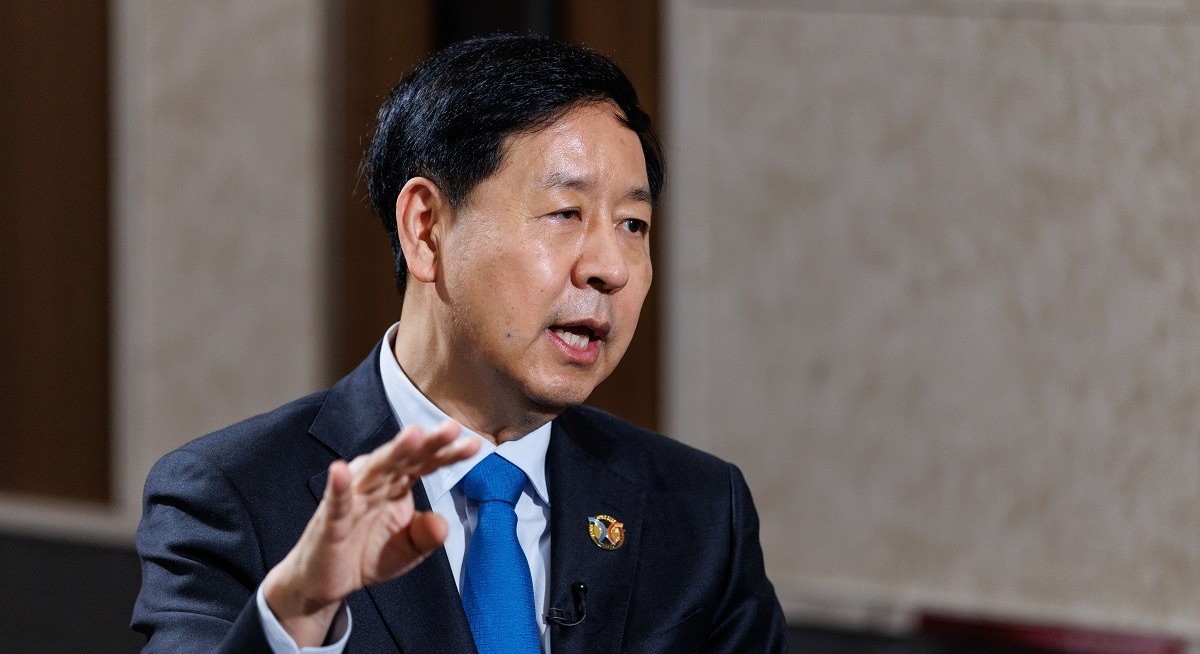


Koo underscored that the envisioned fund differs fundamentally from the Korea Investment Corporation (KIC). While KIC manages a portion of the nation’s foreign reserves and thereby faces inherent restrictions on aggressive or high-risk investments, the new sovereign fund would operate with a commercial mandate and broader asset flexibility.
“KIC cannot pursue bold M&A or high-return strategic investments because its core function is managing foreign reserves,” he said. “The new fund would have the freedom to invest in future industries without such constraints.”
The government envisions a vehicle capable of deploying capital into sectors with strong long-term potential, including biotechnology, semiconductors, and other emerging industries. Koo said the fund could undertake M&A deals and acquire assets ranging from real estate to strategic technologies, focusing on areas where national objectives and commercial returns align.
“If a sector can generate returns of 10% or 20%, and it is not ethically problematic, the fund should have the ability to invest — whether in Korea or overseas,” he said.
See also: Singapore’s GIC, Temasek revamping dealings with hedge funds — Bloomberg
Uploaded by Magessan Varatharaja




