


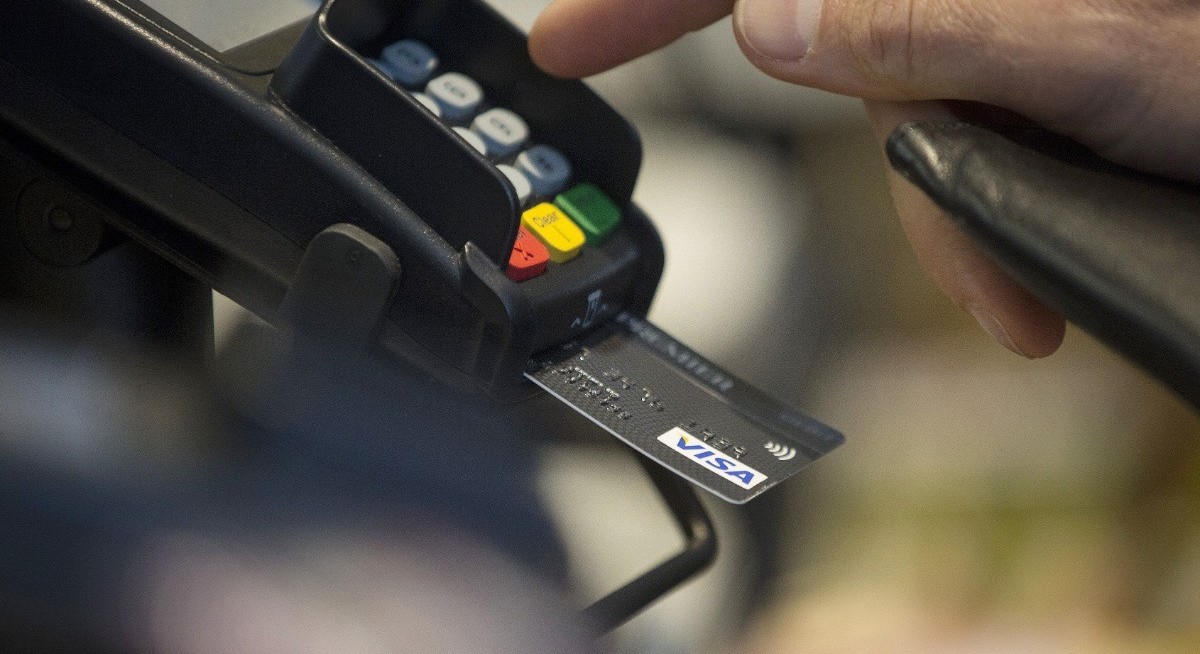


Investors were quick to respond. Shares of Capital One Financial Corp, the largest US card issuer, saw their steepest drop in nine months on Monday. JPMorgan Chase & Co, No 2 in the card rankings, and American Express Co, also tumbled, along with Synchrony Financial.
Some analysts questioned whether the initiative would come to fruition, given the banking industry’s pull in Congress and limited legislative momentum. Even so, it clouds the outlook for the financial sector, where expectations of large-scale deregulation have helped fuel stock performance, and serves as a reminder that few corners of the market are immune to being blindsided by White House policy decisions.

“To the extent this happens, it would result in a significant reduction in profitability for credit card issuers and would likely have economic consequences as well,” wrote Keefe Bruyette & Woods Inc analysts Sanjay Sakhrani and Chris McGratty.
See also: Amundi, KKR, Temasek unit among bidders for UOB Asset Management
Looming fight
Trump pressed the industry further on Tuesday when he called on lawmakers to support the Credit Card Competition Act (CCCA), a bipartisan measure that targets the nearly US$200 billion banks and payment companies collect from merchants each year. That sent shares of Visa Inc and Mastercard Inc lower.
At the same time, some analysts doubted that the approval of a rate cap would find traction. Trump provided no explanation for how lenders who did not cap rates would be breaking the law, and the demand was not backed up by legislation.
See also: HSBC cuts 10% of US debt capital markets team amid overhaul — Bloomberg
“Our odds are less than 20% that credit card interest rates will be capped at 10% for any period of time,” Compass Point’s Ed Groshans wrote. “The President does not have the authority to enact interest rate caps and Congress has not been able to marshal any consumer interest rate cap legislation through any relevant committee in the House or Senate.”
Ripple effects
The diktats left banking chiefs scrambling to answer questions from analysts and the press as lenders kicked off earnings season over the past week. Few were sanguine: Citigroup Inc chief financial officer Mark Mason said the cap could result in a “significant slowdown in the economy,” while Bank of America Corp CEO Brian Moynihan said the moves would force people to use payday lenders and other sources outside the regulated banking industry in search of credit.
“Everything is on the table,” JPMorgan CFO Jeremy Barnum said on Tuesday. If the rate cap were to be enacted, “it would be very bad for consumers, very bad for the economy.”
The market reaction extended beyond financial companies, with airlines and retailers also feeling the ripple effects. Trump’s demands would be a major disruptor for the airline industry, as it generates substantial profits from credit-card partnerships, and has knock on effects for retailers with substantive credit-card portfolios.

Shares of Delta Air Lines Inc, United Airlines Holdings Inc and Southwest Airlines Co all fell after Trump’s threats. Retailers, including Macy’s Inc and Kohl’s Corp, also dropped.
To stay ahead of Singapore and the region’s corporate and economic trends, click here for Latest Section
US airlines are estimated to generate over US$30 billion per year from mileage sales to credit card partners, according to a note from Bernstein analysts led by Harshita Rawat.
“A proposed cap on interest rates or the implementation of legislation such as the CCCA has profound implications for the airline investment thesis,” they said.
National Economic Council (NEC) director Kevin Hassett said on Friday that the administration has been in talks with banking executives on how to serve the borrowing needs of individuals at the margins of the financial system. Hassett said they’ve “been in conversations with the big banks, with CEOs of many of the big banks who think that the president’s on to something — that he’s got a great idea.”
The NEC director touted the possibility of so-called “Trump cards” and added the administration’s expectation is “that it won’t necessarily require legislation” to take action on credit cards.
Uploaded by Felyx Teoh




