


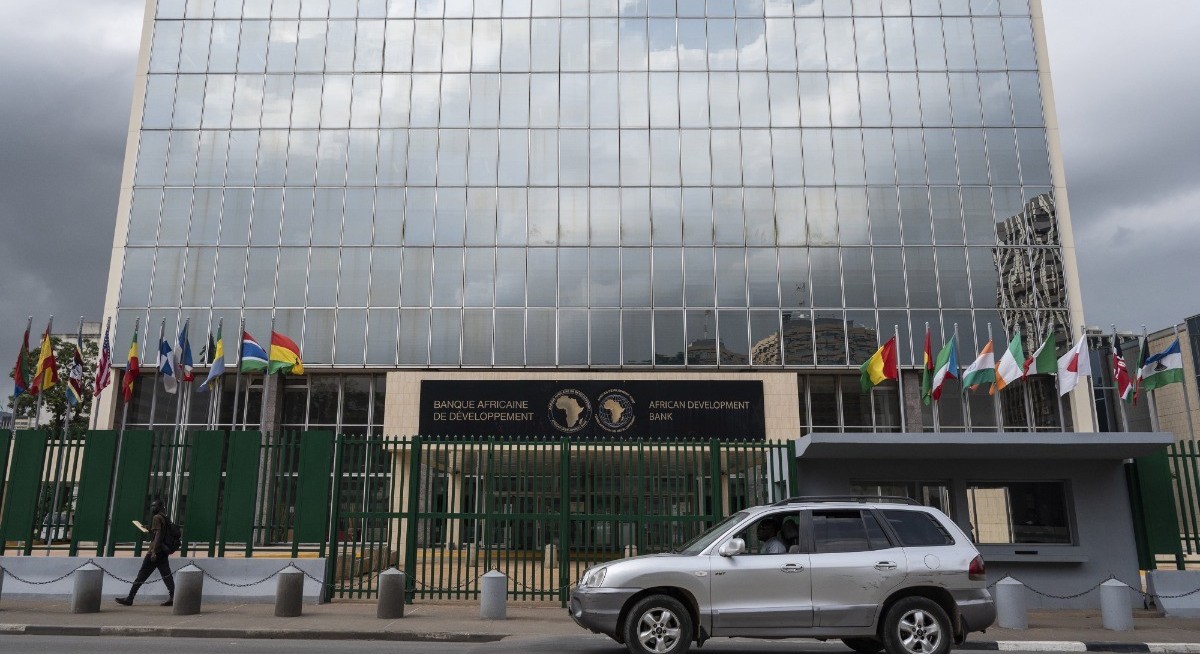


“In one of the most difficult global environments for development finance, our partners chose ambition over retrenchment and investment over inertia,” AfDB president Sidi Ould Tah said in the statement.
In May, US President Donald Trump announced plans to eliminate US$555 million in contributions to the ADF. The fund, through which the AfDB provides grants and concessional loans, is a key source of assistance for the continent’s least-developed countries. The US was previously the third-biggest contributor to the fund after the UK and Germany.
While the US participated in a two-day pledging meeting that took place in London this week, it was “not in a position to pledge”, the AfDB said in response to questions. The top three donors were Germany, the UK and Japan, it said, without providing further details.
The latest replenishment marked a “structural shift in how concessional resources will be used”, the bank said. A new financial model has been endorsed that will allow the ADF to:
See also: Dubai’s financial hub posts record growth on hedge fund boom
- Leverage its balance sheet, including through a market borrowing option to be operationalised during this cycle;
- Deploy innovative instruments, including hybrid capital;
- Use concessional finance strategically to absorb risk, crowd in private capital and catalyse investment at scale.
The funding mobilised under the latest replenishment will support projects including expanding access to energy, strengthening food systems and building resilient infrastructure in 37 low-income and fragile African countries, the bank said.
Established in 1972, the ADF has provided more than US$45 billion in grants, concessional loans, and guarantees to Africa’s lowest-income countries.
Uploaded by Arion Yeow




