


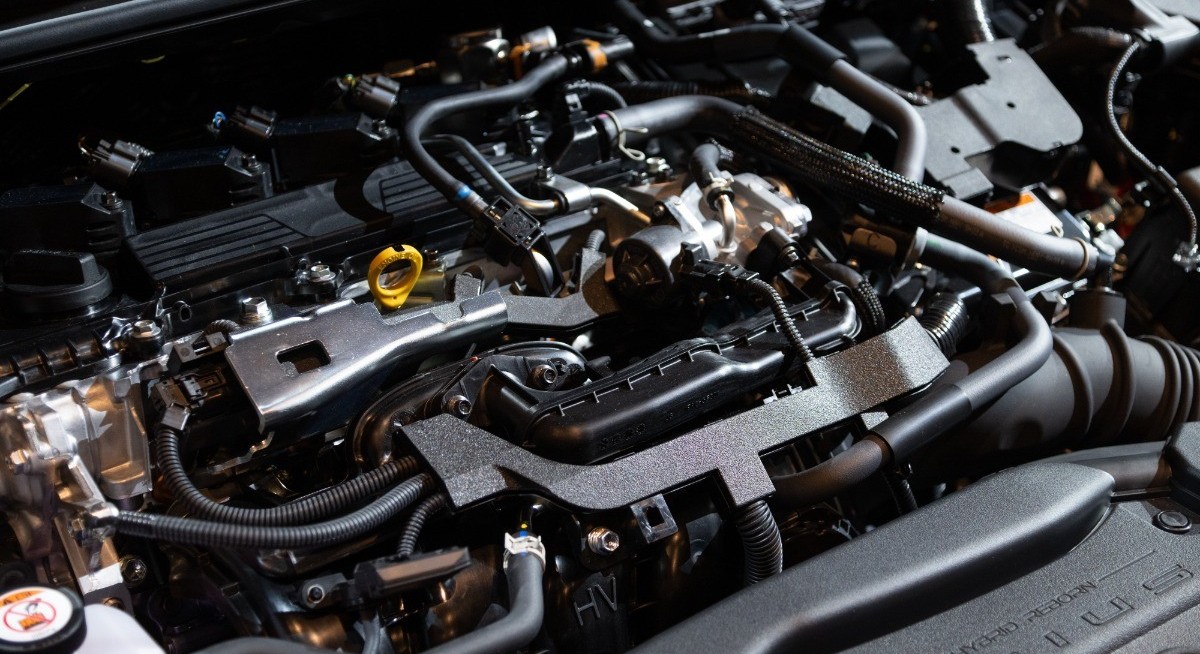


The commission’s strategy is to allow an extension of the use of the combustion engine until 2040 in plug-in hybrids and electric vehicles (EVs) that include a fuel-powered range extender. This will be conditional on compensating potential extra emissions by using advanced biofuels and so-called e-fuels — made using captured CO2 and renewable electricity — as well as use green steel in vehicle manufacturing, according to people familiar with the matter.
Tying the extension to these rules will enable the EU to still aim for zero emissions in new passenger cars by 2035, depending on the exact parameters of the proposal, the people said. It will also address the concerns of several car and parts producing nations, which called for clean technologies other than pure electric vehicles to be used after that date.

The commission is tentatively scheduled to put forward the review of its existing rules on car emissions standards after its meeting on Dec 16 in Strasbourg, France. Discussions are continuing and the details may still change, the people cautioned. The EU regulatory arm has a policy of not commenting on draft regulations.
See also: Norway launches probe into former PM over links to Epstein
Shares in Volkswagen AG, the continent’s biggest carmaker, pared gains following the news to fall as much as 0.8%. The stock recovered to trade 0.8% higher at 3.46pm. Stellantis was down 1.3%. Spokespeople for some carmakers including VW and BMW AG declined to comment on the news.
The potential changes come after sales growth of new battery cars slowed as countries like Germany, the bloc’s biggest market, removed buying incentives. While growth has resumed — partially in response to the reintroduction of perks — the trajectory for EV sales remains far below what’s needed to meet the EU’s mandate. Uptake across the region remains highly uneven.
Battery-only registrations accounted for 35% of sales in the Netherlands this year, compared with just 8% in Spain. Patchy charging options and comparatively high prices continue to put off consumers.
See also: ECB holds rates as Euro rally and tariffs threaten economy
While automakers will win more time to shift to fully EVs, there will be concern among environmental groups that the changes create new loopholes that undermine Europe’s climate ambition and risk leaving the region’s key carmakers lagging further behind China in the race to battery-powered road transport.
Last week, six prime ministers including Italy’s Giorgia Meloni and Poland’s Donald Tusk asked the commission that an upcoming revision of EU rules for new cars allow plug-in hybrids, range extenders and fuel-cell technology even after 2035. Germany has also been fighting to soften the bloc’s looming ban on sales of new combustion-engine vehicles, seeking to shield its automotive industries from Chinese competition, weaker-than-expected electric vehicle demand and US trade tariffs.
The proposal considered by the commission would address German demands, which included the use of hybrid plug-ins and range extenders, allowing e-fuels and promoting green steel. The EU is pitching the continent as a front-runner on green steel as part of its push to rival China and the US on clean tech, by aiming to drastically cut emissions by using hydrogen and electric arc furnaces.
‘European preference’
Meanwhile, Europe’s high energy and labour costs are forcing carmakers to cut jobs and shift investments elsewhere. The French government has instead prioritized a “European preference” for electric vehicles in a bid to avoid job losses.
“We support the introduction of targeted flexibilities, particularly regarding technological neutrality, provided they are accompanied and conditional upon clear regulatory incentive mechanisms for production in Europe that support industrial jobs,” five French ministers wrote in a letter to EU commissioners dated Dec 8 and seen by Bloomberg News. “In particular, electric vehicles meeting specific European production criteria should benefit from preferential consideration in achieving regulatory targets, providing flexibility for manufacturers committed to local production.”
“We support the introduction of targeted flexibilities,” five French ministers wrote in a letter to EU commissioners this month, on the condition there are incentives to produce cars in Europe to support jobs. ‘Made in Europe’ EVs should “benefit from preferential consideration in achieving regulatory targets,” they said.
To stay ahead of Singapore and the region’s corporate and economic trends, click here for Latest Section
The proportion of plug-in hybrids and range-extended vehicles that will be allowed to be sold on the European market after 2035 still needs to be decided, according to the people, asking for anonymity as discussions are ongoing. The key technical details on e-fuels and advanced biofuels are also still being ironed out, they said.
While e-fuels can in theory be climate neutral, they are expensive and the technology is at an early stage. The emissions benefit of biofuels is hotly debated, as well as the strain they can put on land otherwise used for food production.
Hybrid calculations
The package due next week will also defer plans to tighten the way plug-in hybrid cars’ emissions are calculated. The commission had considered moving towards a system that measures real-world pollution instead of the current metric, which uses lab assumptions that significantly understate actual emissions.
The car package will come alongside a proposal on boosting the share of EVs in corporate fleets, and changes to emissions rules for heavy duty vehicles.
Uploaded by Felyx Teoh




