


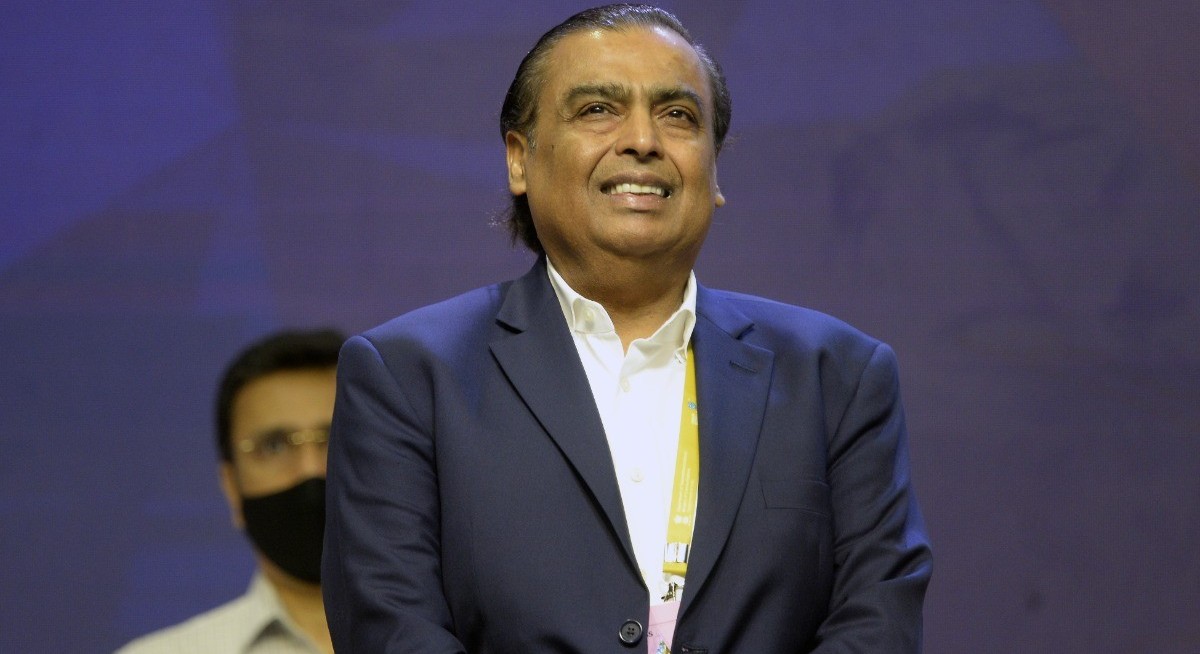


(Jan 12): Reliance Industries Ltd has paused plans to make lithium-ion battery cells in India after failing to secure Chinese technology, said people familiar with the matter, reflecting how even the country’s most powerful businesses are struggling to build out an independent clean-energy supply chain.
The Mukesh Ambani-led oil-to-telecoms conglomerate, which had aimed to begin cell manufacturing this year, had been in discussions with a Chinese lithium iron phosphate supplier Xiamen Hithium Energy Storage Technology Co to license cell technology, according to the people who did not want to be identified as the information is not public.
Those talks stalled after the Chinese company withdrew from the proposed partnership amid Beijing’s curbs on overseas technology transfers in key sectors, the people said. The setback has prompted Reliance to refocus on assembling battery energy storage systems, or BESS — containers for its own renewable power projects, they added.
A Reliance spokesperson denied that there has been any change in the company’s renewable energy plans, which include a battery gigafactory it previously said would start operating in 2026.
“BESS manufacturing, battery pack manufacturing and cell manufacturing have always been part of our energy storage plans and we are progressing well in their execution,” the spokesperson said in an email.
Reliance’s struggles reflect how the companies expected to help Prime Minister Narendra Modi’s goal to make India carbon-zero by 2070 cannot log substantial progress without better bilateral ties with Beijing. China has stepped up scrutiny of clean-energy technology deals as it seeks to protect strategic advantages in sectors, complicating localisation efforts by foreign manufacturers.
See also: Sembcorp expands power supply agreement to Micron
While the pause in the cell-making part of Reliance’s larger plans doesn’t deal any immediate financial blow — the company earns the bulk of its revenue from oil refining and consumer businesses — it underscores the challenges for the tycoon’s sweeping green energy ambitions.
The richest person in Asia had announced four gigafactories in 2021 as part of a US$10 billion (40.5 billion) investment push to pivot away from the empire’s fossil-fuel origins.
Reliance’s shares slipped as much as 1.3% during trading in Mumbai on Monday, pushing this year’s decline to almost 7%.
See also: Power blackout hits Russian Arctic region after ageing grid fails
Reliance’s internal teams have concluded that proceeding without access to proven Chinese cell technology would significantly raise costs and execution risks, particularly as global markets are already grappling with excess battery capacity, said the people familiar with the discussions.
Alternative technologies from Japan, Europe and South Korea were assessed but deemed substantially more expensive and less competitive for large-scale deployment in India, the people said.
The pattern is mirrored across India Inc as conglomerates race to secure battery capacity to support rapidly expanding renewable power businesses, but remain stymied by technology bottlenecks. The hurdles to technology transfers continue despite the recent diplomatic thaw between India and China as both nations deal with President Donald Trump’s volatile foreign policy.
Adani Group and JSW Group, other powerful Indian conglomerates with ambitious clean energy plans, are also focusing on battery pack and container assembly rather than full-fledged cell manufacturing, according to other people familiar with their strategies.
JSW Group did not immediately respond to a request for comments on its plans in this sector.
India has long wanted to build up its own battery manufacturing capacity. In 2022, Reliance’s renewable energy unit — Reliance New Energy - was one of three companies that won bids to build battery cell plants under a production-linked incentive programme of the Indian government, part of a push by New Delhi to cut reliance on imported cells for electric vehicles.
The manufacturers were eligible for as much as 181 billion rupees (RM8.1 billion) in subsidies tied to meeting project milestones aimed at creating a cumulative 30 gigawatt-hours of advanced chemistry cell capacity, the people said.
To stay ahead of Singapore and the region’s corporate and economic trends, click here for Latest Section
Under the initiative, companies were required to achieve a minimum committed manufacturing capacity and at least 25% local value addition within two years of signing the agreement, rising to 50% within five years.
Reliance New Energy was penalised for missing deadlines under the programme, people familiar with the matter said in March, showing that current policy incentives are far from enough to create local manufacturing at a time when the world is awash in cheap Chinese batteries.
Reliance has imported some machinery for both battery energy storage container assembly and cell production, the people said.
With cell-making stymied by a lack of access to Chinese technology, plans to build battery storage systems instead have accelerated across the sector. Gautam Adani’s group said in November it would build a multi-billion-dollar battery energy storage system in western India, with a proposed power storage capacity of 1,126 megawatts.
Billionaire Sajjan Jindal-led JSW Group, meanwhile, has begun operating a 30-megawatt battery energy storage pilot at Vijayanagar in Karnataka, adjacent to its steel plant, for captive use, according to people familiar with the developments.
By 2035, India’s energy storage market is expected to reach about 87 gigawatts of power capacity — more than 300 times what was installed in 2024, according to BloombergNEF estimates.
Uploaded by Evelyn Chan




