




(March 18): Aluminum, one of the metals most directly affected by the war in Iran, is struggling to attract buyers in China after prices surged to a four-year high.
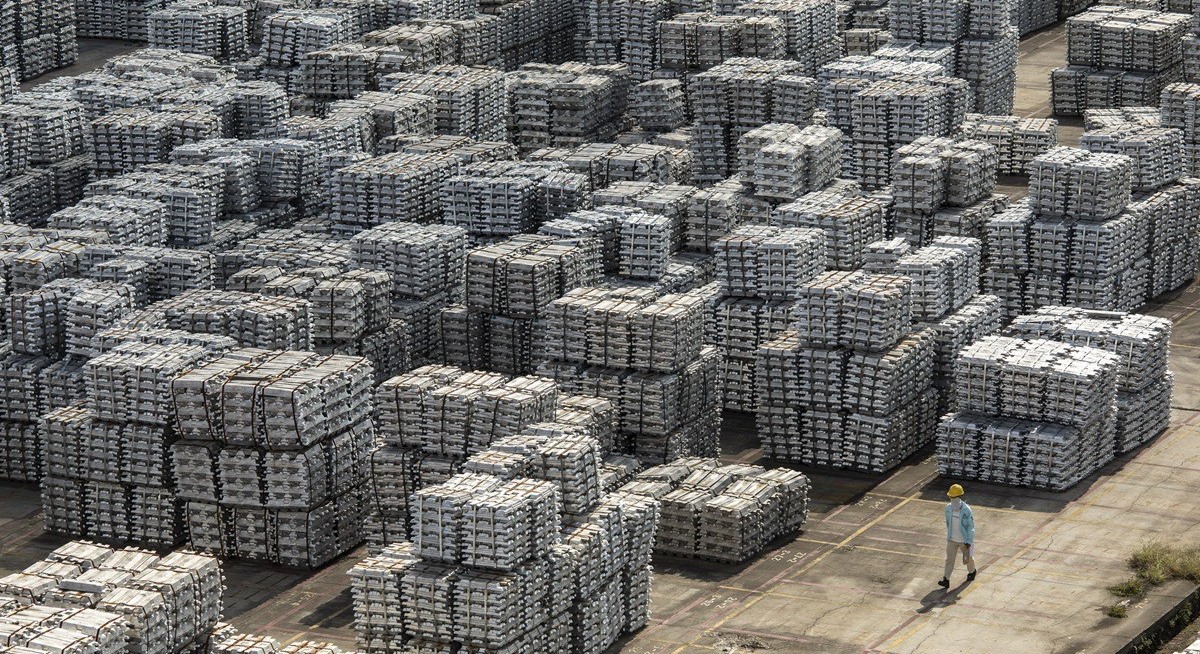
Demand is disappointing, and inventories are piling up, even as factories enter the busy period that follows the Lunar New Year. Stockpiles of primary aluminum have shot above 1.3 million tonnes, the highest since 2020. More exports beckon to clear the glut.
“Chinese fabricators have slowed purchases to just meet hand-to-mouth demand,” said Huang Yuyao, an analyst with research firm Mysteel Global. Their appetite only worsened after prices spiked, she said.
The lackluster performance of a widely used industrial material could be a warning sign for China’s broader economy, which rebounded in the first two months of the year but now faces the fallout from higher energy costs and other disruptions due to the conflict in the Middle East.

Although operating rates at the fabricators that shape aluminum have risen since the lunar holiday, overall demand still lags the previous year due to elevated prices, Howard Lau, China materials analyst at HSBC Holdings Plc, said in a note.
See also: LME trading restored after two-hour halt roiled metal markets
The brake on demand for primary aluminum is rippling through the domestic supply chain. Inventories of semi-finished products are around 600,000 tonnes, about 75% of last year’s level, according to Mysteel.
Aluminum prices surged this month after the US-Israeli strikes on Iran triggered shutdowns and shipping disruptions in a region that accounts for about 9% of global supply.
But the steady increase that preceded the war was already sapping demand in the world’s biggest producer and consumer of the metal. While London prices have gained 28% over the past 12 months, they’ve risen just 20% in Shanghai, widening the window for exports.
See also: Soybeans slump more than 2% on possible US-China talks delay
China’s overseas sales of unwrought aluminum and products had already surged 13% in the first two months of 2026. The country’s habit of ramping up exports because domestic demand is too weak is a bugbear for the world economy, but it’s likely to be welcomed in coming months given the shortfall in Middle Eastern supplies.
Uploaded by Liza Shireen Koshy




