


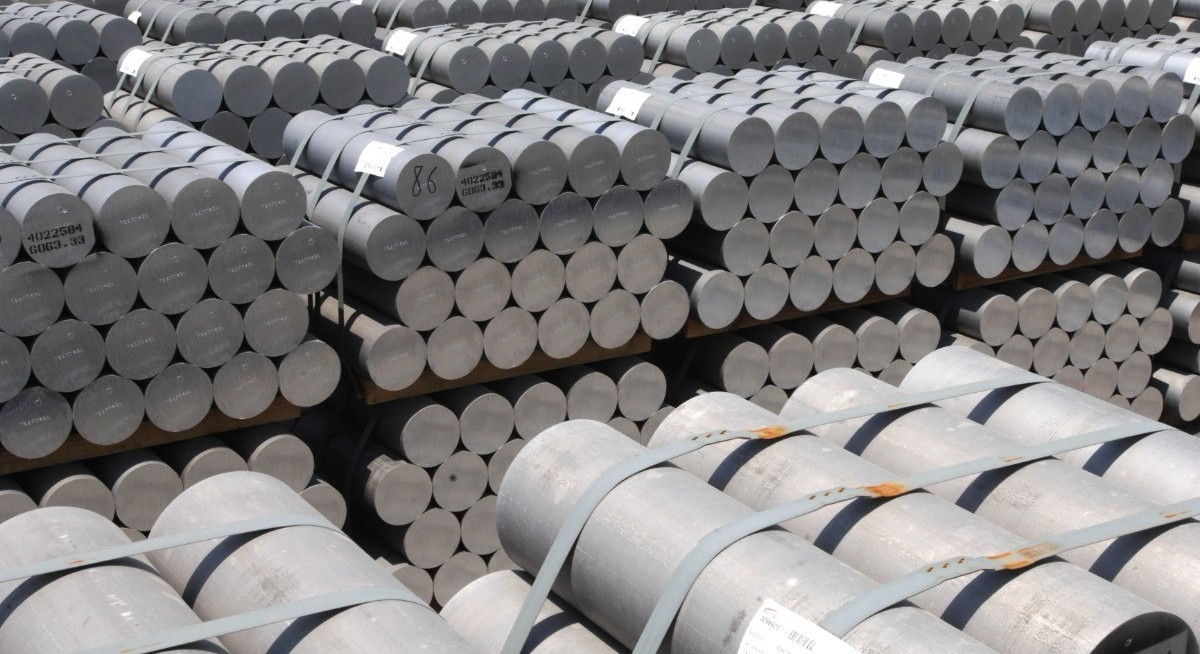


(March 15): Aluminium Bahrain BSC, which runs the world’s largest single-site smelter of the metal, started a phased production shutdown to preserve raw materials as the vital Strait of Hormuz remains at a near standstill.
The company, known as Alba, said it has initiated a shutdown of three production lines, which together represent 19% of its total output capacity of 1.6 million tonnes a year. The suspension will allow it to optimise its inventory of raw materials and keep other parts of the plant operating, it said.
The cutback is the latest example of the disruptions in the Middle East that have sent shock waves through the global aluminum industry, with manufacturers facing a spike in prices and traders expecting widespread supply blockages. Prices on the London Metal Exchange have increased over 9% since the Iran war started late last month, rising to the highest level since 2022.
Along with other aluminum smelters in the Middle East, state-owned Alba has been facing disruptions to outbound shipments of metal and incoming supplies of alumina feedstock due to shipping constraints at Hormuz. Alba suspended sales to customers earlier this month, while Qatar’s state-owned energy producer was forced to halt aluminum production due to a shortage of natural gas.

Aluminum is the most ubiquitous industrial metal after steel, but in recent years the market has been periodically rocked by supply shocks. It has exposed fragilities in the complex network of bauxite mines, alumina refineries and aluminum smelters that supply to manufacturers around the world — often in highly specialised forms that can’t readily be replaced.
See also: Copper wipes out this year's gains as Iran war punishes metals markets
Uploaded by Liza Shireen Koshy




