


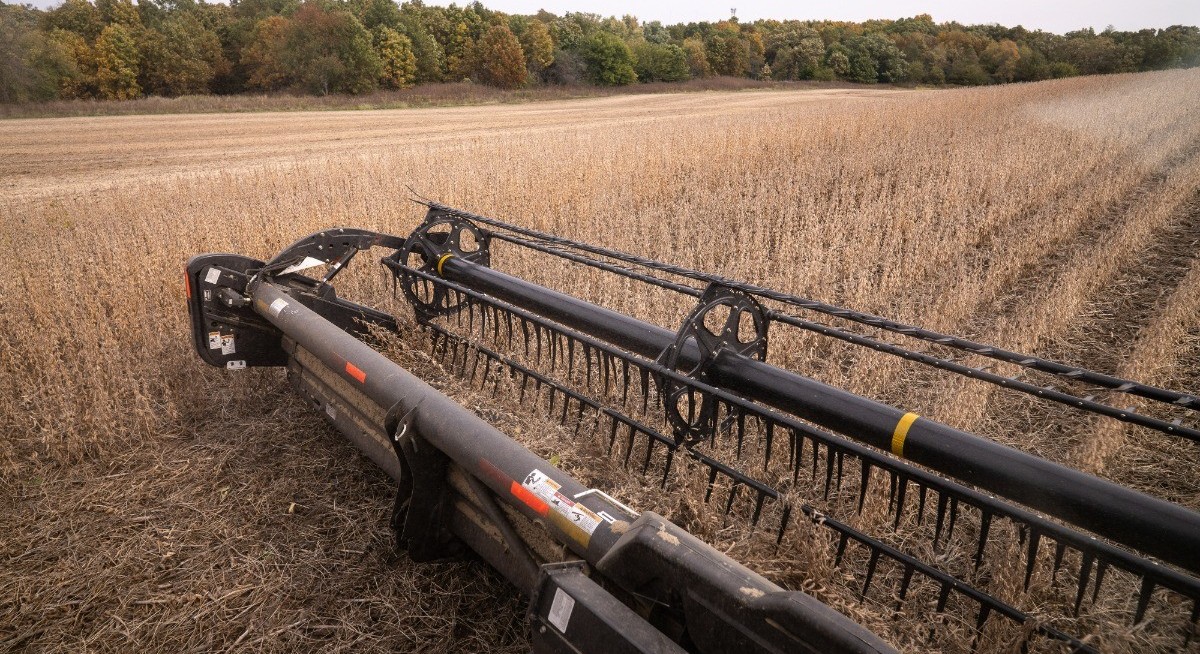


(March 16): Chicago soybean futures slumped more than 2% on Monday — dropping below US$12 ($15.37) a bushel — in the face of a potential delay of US trade talks with China, the world’s top buyer of the oilseed.
US President Donald Trump said he could delay a highly-anticipated summit with counterpart Xi Jinping if Beijing doesn’t help unblock the Strait of Hormuz, according to an interview with the Financial Times. Soybean prices are particularly vulnerable to tensions between the two sides as China is a major buyer of American produce.
A trade summit between the two leaders late last year spurred a flurry of Chinese purchases of US soybeans, following a months-long lull. After reaching an initial 12-million-ton target, China’s purchases from the US have eased again, and any postponement in the dates of the upcoming talks could hold up a revival in sales.
Trump’s latest statement “will have had a negative impact because it means it throws some doubt into China buying large amounts of US soybeans”, said Tobin Gorey, a strategist at Cornucopia Agri Analytics.
Most-active soybean futures fell as much as 2.7%, the biggest intraday drop since early November, with soybean meal and oil also each declining more than 1%.

See also: Aluminum piles up in China as Iran war shrinks global supplies
Trump was due to travel to China for the talks in late March, and his statement comes as trade negotiators from the two sides are meeting in Paris. Reuters reported on Monday that Chinese representatives showed an openness to additional purchases of US products including poultry, beef and non-soybean row crops.
The Strait of Hormuz, a major global trade channel for commodities, has been effectively closed since US-Israeli attacks began on Iran — choking flows of oil, fuel and fertiliser from the region and sending prices soaring. The Trump administration is engaging with allies to secure the strait, raising hopes for a potential end to the blockage.
Fears that the Strait of Hormuz could remain closed indefinitely peaked on Friday, Gorey said, meaning even a slight easing of concerns could see traders shift their positions.
See also: LME trading restored after two-hour halt roiled metal markets
If you add investors’ “very long” positions on the soy complex, “that’s a recipe for people to at least take profits and do some selling”, he added.
Money managers had increased their net-bullish soybeans bets to the highest in 16 weeks as of March 10, according to CFTC data on futures and options released on Friday.
Prices
- Soybeans fell 1.9% to US$12.0225 a bushel as of 9.48am in Singapore
- Wheat dropped 1%, and corn was also lower
Uploaded by Chng Shear Lane




