


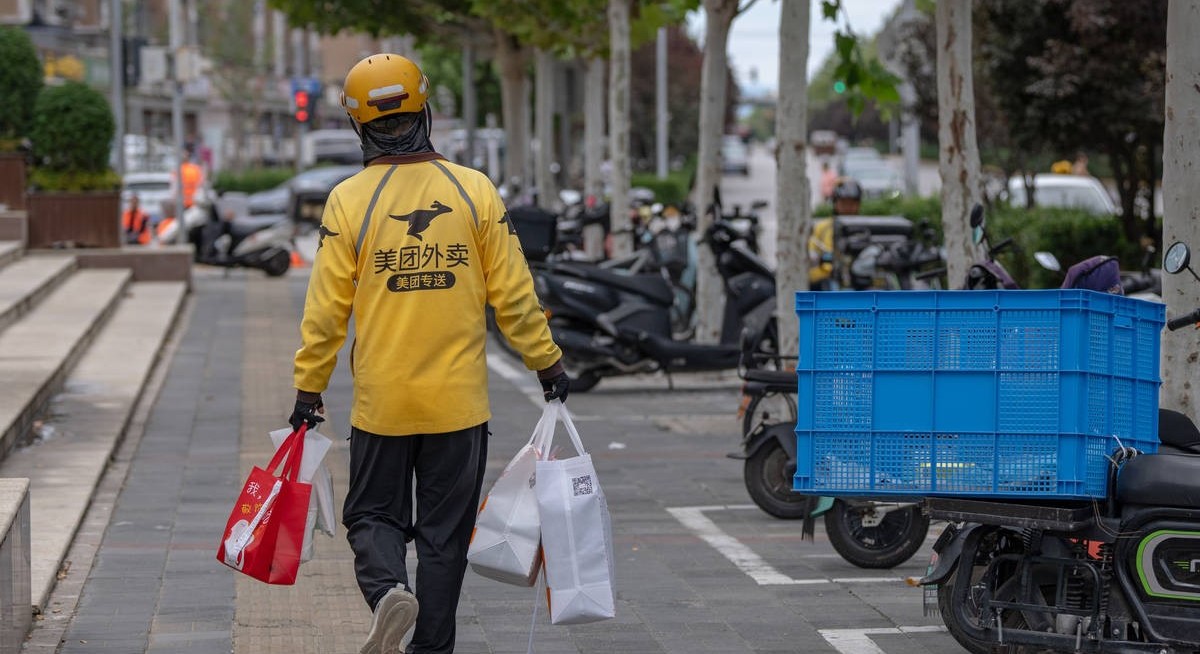


(March 25): Shares of China’s food-delivery firms surged as the authorities stepped up efforts to end the intense competition in the sector that has driven down profits.
Meituan shares surged 14% in Hong Kong on Wednesday, their biggest advance since October 2024. Rivals Alibaba Group Holding Ltd added 4.6%, and JD.com Inc climbed 4.9%.
Shares of the companies rallied after China’s market regulator held a seminar to curb unfair competition, and its official website reposted a column from the state-backed Economic Daily newspaper that called for an end to price wars in the industry.
The entire food-delivery sector has fallen into a “vicious cycle” of losing money just to gain attention, which ultimately weighs on the broader recovery of consumption, the Economic Daily column said. The price wars run directly counter to the central government’s efforts to boost consumption, it said. The article was later removed from the regulator’s website, but remained available on the state media’s online portal.

The tone of regulators in curbing the intense competition is likely to keep getting “stronger and stronger, until the market finally gets the full message”, said Steven Leung, an executive director at UOB Kay Hian in Hong Kong.
See also: Pop Mart shares sink 22% on doubts firm can grow past Labubu
Chinese technology giants have been mired in a fierce battle to win customers in the food-ordering sector, after JD.com said early last year it would to enter the industry to gain market share from Alibaba and Meituan. The three companies have since announced rounds of subsidies to compensate customers in order to draw traffic to their apps. Meituan in February announced its biggest annual loss since at least 2021 because of the competition.
The regulator’s statement could mark a “pivotal sign of normalisation in food delivery competition, with a decent scale-back of subsidies in the coming months”, Citigroup Inc analyst Alicia Yap wrote in a note.
Meituan will announce its 2025 earnings on Thursday. The company probably made a net loss of CNY24.1 billion (US$3.5 billion or $4.5 billion) for the year, according to Bloomberg consensus estimates.
Uploaded by Tham Yek Lee




