


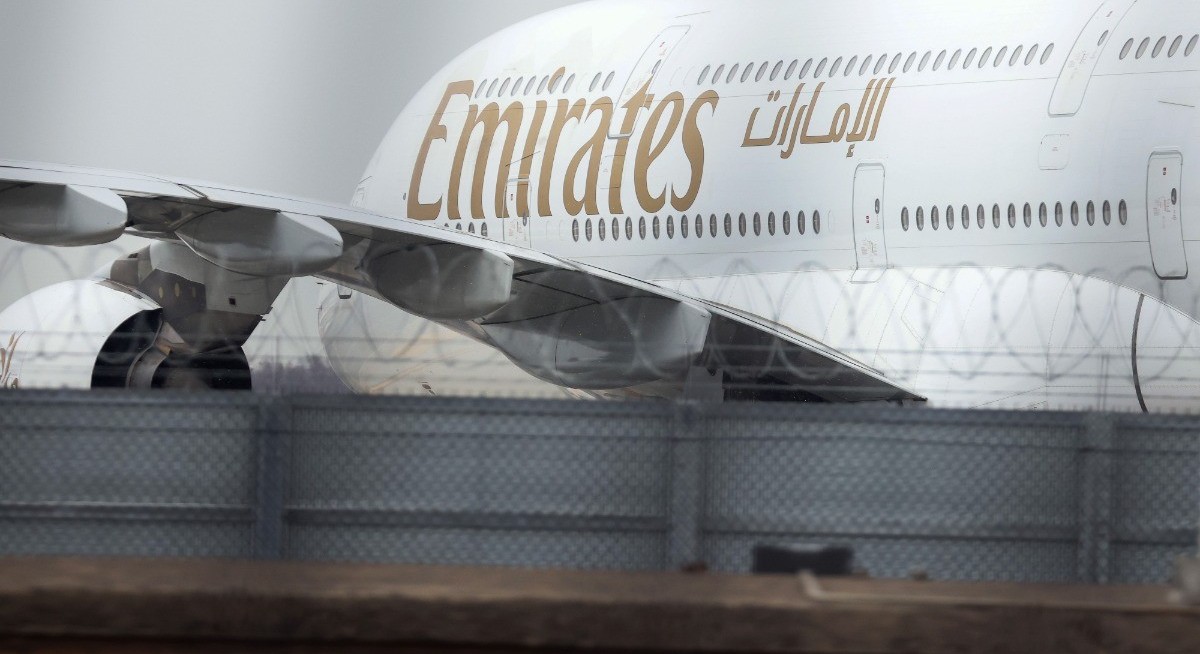


(June 24): The European Union Aviation Safety Agency is asking some operators of Airbus SE A380 jets to perform additional inspections on their aircraft’s wings after identifying possible cracks in the structure.
“It has been determined that the cracks found on certain aeroplanes could reduce the structural integrity of the wing,” the agency said in a so-called airworthiness directive issued June 22. “To address this potential unsafe condition, Airbus determined that an additional special detailed inspection has to be accomplished.”
A total of 16 aircraft require additional checks, according to the directive. Of those, 15 are operated by Emirates, while one unit is flown by Qantas Airways Ltd. Emirates is the world’s largest operator of the A380, with more than 100 of the double-decker in its fleet. Qantas has 10 and plans to operate them into the next decade.
The jet first entered into service in 2007 with Singapore Airlines and symbolised an audacious bet by Airbus that carriers would need ever-larger planes in the face of congested major airports. The plan backfired when airlines found the model was too expensive and complex to operate. While the double-decker remains a hit with the flying public, it has been relegated to a niche jetliner that’s no longer in production.
Production ended in 2021 after orders dried up. Several airlines have sold or retired their A380s, including Malaysia Airlines and Air France.
Emirates, alongside a few other carriers that include Deutsche Lufthansa AG and Qatar Airways, has held onto its A380s. But keeping the ageing superjumbo safely airborne is becoming an increasingly expensive headache for airlines. Two decades after its maiden flight, regulatory bulletins ordering repairs, inspections or replacement parts for the massive four-engined plane are piling up.
See also: AirAsia is missing payments to some suppliers as fuel costs bite — Bloomberg
The European manufacturer has struggled previously with similar issues on the A380, its largest jet ever produced. Airlines had to ground their jets for several weeks in 2012 after cracks emerged in wing components.
The wing-crack debacle cost the planemaker hundreds of millions in repair and service expenses and delayed deliveries to airlines.
Uploaded by Arion Yeow




