




Quantum is often described in abstract terms, such as qubits, superposition, entanglement, and error correction. But technology is now shifting from theory to deployment. In particular, the early integration of quantum into real digital systems will make it usable across industries such as finance, pharmaceuticals, advanced materials, supply chain management, and weather forecasting.
However, this transition depends on an overlooked but decisive question: where will quantum actually live?
Quantum needs a home, and in practice, it needs two. It needs a national home, a place with the regulatory clarity, talent, trust, and industrial demand required to build a durable ecosystem. It also needs a physical home, a data centre environment where the hardware can operate reliably and connect seamlessly to the broader digital economy. Singapore is well-positioned to provide both.
The national argument is already emerging. Singapore has a strong base of industries that stand to benefit early from quantum. Its financial sector handles complex optimisation, modelling, and risk analysis tasks. Its biomedical and pharmaceutical sectors depend on sophisticated simulation and discovery pipelines. Its logistics and manufacturing sectors manage dense, variable networks where faster optimisation can create real economic advantages. These industries are already exploring quantum use cases, and many have regional or global headquarters here, making Singapore a natural testbed for early commercial deployment.
See also: STT GDC expands Jakarta data centre campus, training efforts for Indonesia’s AI buildout
The regulatory and governance dimension also plays to Singapore’s strengths. The country’s proactive stance on AI regulation and post-quantum cybersecurity has already set a benchmark in the region. Quantum technologies raise new questions around trust, security, and cross-border data integrity. A jurisdiction known for predictable regulation and strong cybersecurity frameworks will be more attractive for companies deploying quantum systems that sit close to sensitive workloads.
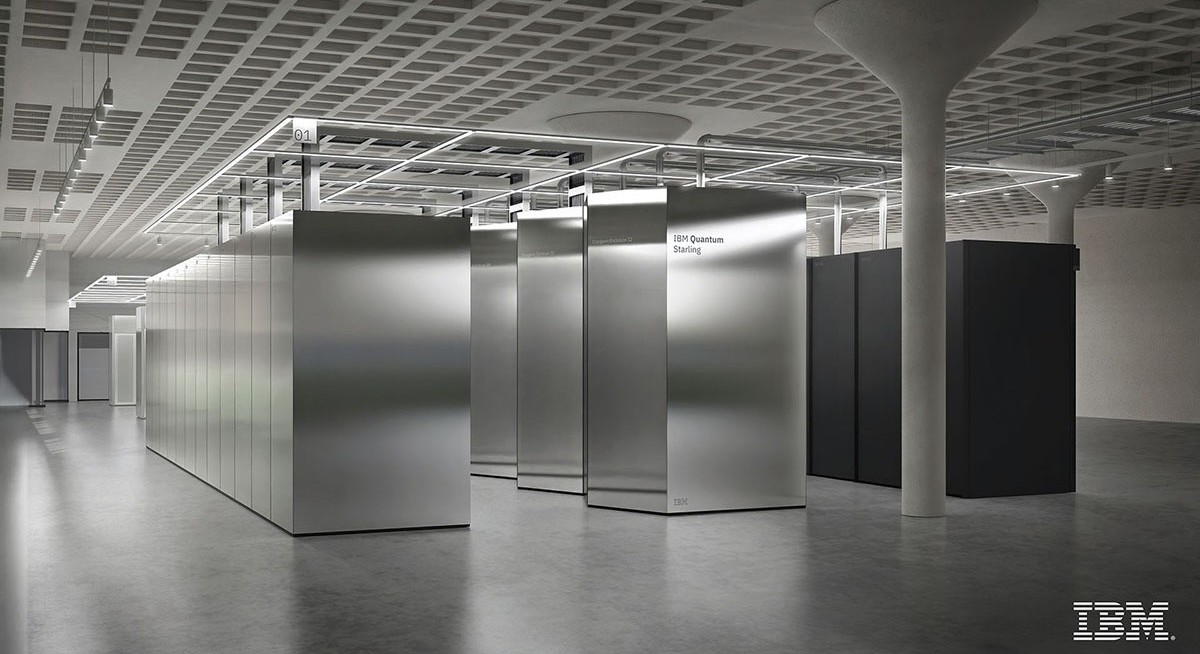
The other priority is building quantum’s physical home. For all the attention paid to algorithms, quantum computing is ultimately a physical infrastructure. This infrastructure will need to live in secure, state-of-the-art data centre environments with high-quality power, cooling infrastructure, and extremely fast connectivity to the digital economy.
Quantum will also not operate in isolation. The first practical applications will rely on hybrid systems, where quantum processors work alongside existing high-performance computing and AI infrastructure. That architecture depends on proximity. If quantum hardware is too far from where the applications are being used, latency will undermine performance. If the data centre facility cannot support high-density cooling, advanced power distribution, or specialised networking, the hardware will underperform. If the surrounding ecosystem is not connected to fibre infrastructure, subsea cables, cloud on-ramps, and enterprise networks, commercial adoption will be restricted.
See also: Keppel secures land for data centre development in South Korea
This is where Singapore’s strengths will become a strategic advantage. The country is already one of the world’s most interconnected digital hubs, with dense concentrations of telecom networks, high-quality fibre infrastructure, cloud ecosystem, subsea cables and carrier-neutral data centres. These facilities already support high-performance AI workloads and are rapidly evolving to meet the demands of AI inferencing. Many of the upgrades being made today for AI – including direct liquid cooling, higher rack densities, increased power capacity through development of a green data centre park in Jurong Island and tighter integration with cloud and network ecosystems – also lay the groundwork for quantum.
Talent will also be decisive. The quantum computing workforce is limited globally, and companies everywhere face challenges in hiring specialists or retraining teams. Singapore’s strong research base in quantum science offers an advantage, particularly as early deployments begin to take shape.
If Singapore succeeds, the country will not simply host quantum systems; it will shape how they are used. Just as the biomedical investments of the early 2000s created a platform for commercial innovation and economic growth, an early focus on quantum infrastructure could unlock new industries and help the country lead in a technology that will define the next era of computing.
Quantum needs a home in Asia. Singapore has the ambition, the capabilities and the mature data centre landscape to be that home, especially as it continues to strengthen the infrastructure needed for global breakthroughs.
Govind Choudhary is the general manager for SE Asia & India at Digital Realty




