


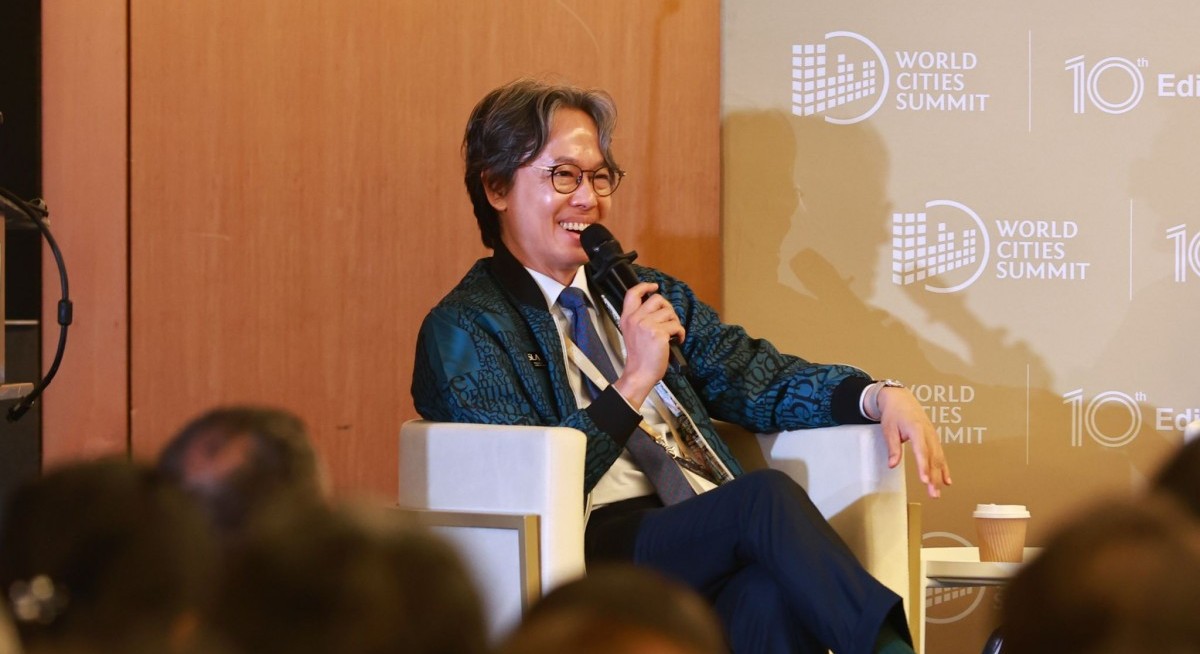


“These properties typically have very short tenures, and we encourage [a] certain level of experimentation with them at a certain time of use,” he adds.
SLA currently manages a diverse portfolio of state-owned properties — buildings where their original uses have been discontinued and the properties have been returned to the state. These include former army camps, schools, hawker centres, community centres, hospitals, airports and power stations.
Phua says the agency’s role is not simply to find tenants for these sites but to identify uses that create broader value.
“Our role is not just to find a use for them, but to find a good use for them while the government planners consider their longer-term use,” he says. “Our belief is that if you find a good use for them, [then] that’s a good way of preserving the properties and that’s a good way for creating more value for the country and the community.”
See also: Rents at Singapore’s prime offices rise for sixth straight quarter: CBRE
Citing co-living spaces as an example, Phua says SLA responded to industry demand for alternative accommodation models by tendering state properties for conversion into co-living spaces. “We engage closely with the industry. About two to three years ago, they told us that there is a need for [a] new kind of space that meets evolving demand for alternative accommodation, such as co-living.”
Phua describes co-living as “attractive”, adding that “we like the idea of sharing and building a community”. He adds that the market also sees co-living as a flexible option to meet short-term needs, which motivated SLA to put up tenders for such uses.
To SLA, adaptive reuse carries clear value. “It provides a connection with our heritage,” he adds. “[When] we think of new use [and] new spaces, we think of them [through] a very sustainable approach. We don’t tear down old buildings but reuse them, and that minimises the kind of waste that is generated as a result.”
See also: URA launches Lorong Puntong GLS site, first Thomson‑Bishan plot in a decade
Still, Phua acknowledges that adaptive reuse is not without its challenges. “There is a cost to it… Sometimes it just costs more to turn spaces around, and it costs more to maintain old buildings,” he says. “These buildings were built many years ago and may not easily meet modern requirements, such as fire safety standards.”
Even so, adaptive reuse “should be seen as an opportunity rather than a constraint”, he adds. “Building regulations are there for a reason,” says Phua. “Instead of seeing them as a constraint, I would encourage people to see them as an opportunity. When people can identify a clear use, a community need or a business need — that gives them the ability to justify the effort and investment required.”




