


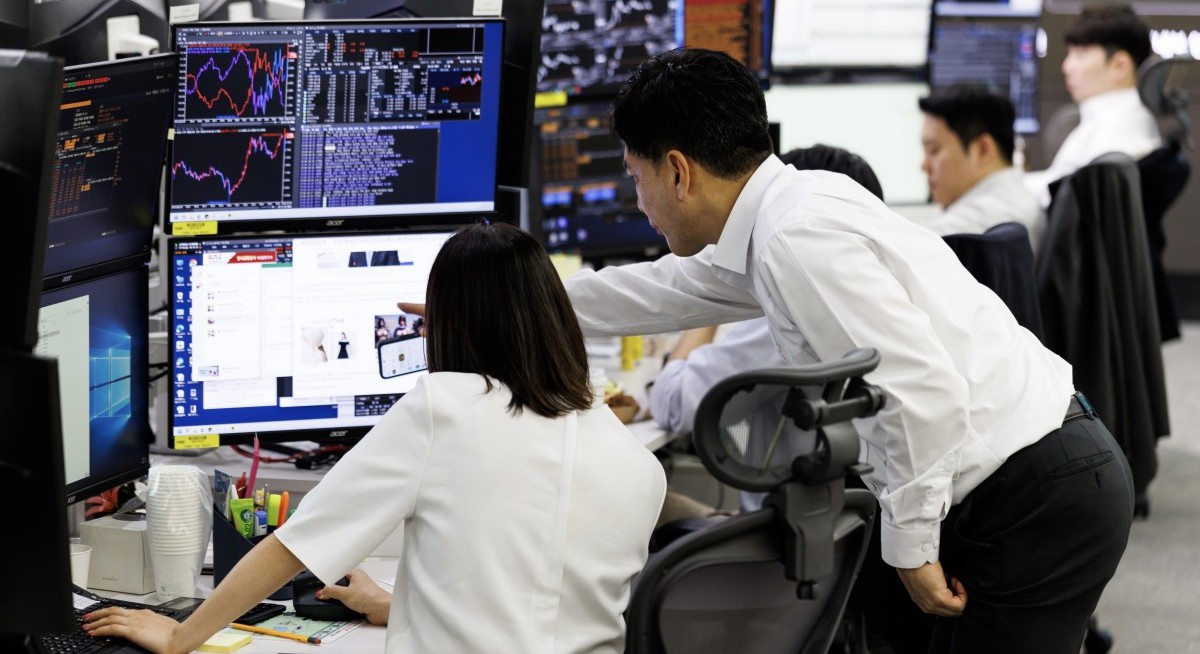


Investors do not pay to access these facts that are freely available. For what will investors pay?
A company’s financial statements are public. But understanding whether those numbers signal long-term strength or temporary momentum requires analysis. Economic statistics are published regularly. But interpreting what they mean for markets and business demands intellect, experience and discipline.
Successful investors are not determined by the quantity of information they possess, but by the quality of their judgement.
The same logic increasingly applies to journalism, especially in the age of artificial intelligence.
See also: The future of media in the AI age (Part 8 of 9): Trusted judgement is the edge
AI can retrieve facts, generate summaries and produce commentary at extraordinary speed. But it cannot reliably determine which facts matter, which trends are meaningful or which narratives are misleading.
What will readers want? Institutions that can make the above distinction.
Journalism as intellectual capital
See also: The future of media in the AI age (Part 7/9): The interpretation economy
Just as investors follow analysts and fund managers whose judgement they trust, readers will gravitate towards media institutions that demonstrate consistent intellectual discipline — trusted judgement. And like investment performance, judgement can be proven only over time. It is why credibility matters most.
Readers will not pay for information; they will pay for institutions whose judgement they trust.




