




Gutenberg industrialised knowledge. This triggered The Renaissance (spread of ideas), The Reformation (challenge to authority) and The Scientific Revolution.
The cost of producing and distributing information was no longer exorbitant.
Next came the internet. Information that once took days or weeks to obtain could now be accessed instantly from anywhere in the world.
But unlike the single invention of the printing press, the internet was a stack of breakthroughs: from the 1960s, with network computers and package switching, to the actual breakthroughs (1989 to 1995) in creating the world wide web, and, finally, commercial explosion with browsers, search engines and e-commerce. The true inflection point was the introduction of smart phones and social media in 2007.
See also: The future of media in the AI age (Part 7/9): The interpretation economy
Cost collapsed for producing, distributing, accessing and storing information.
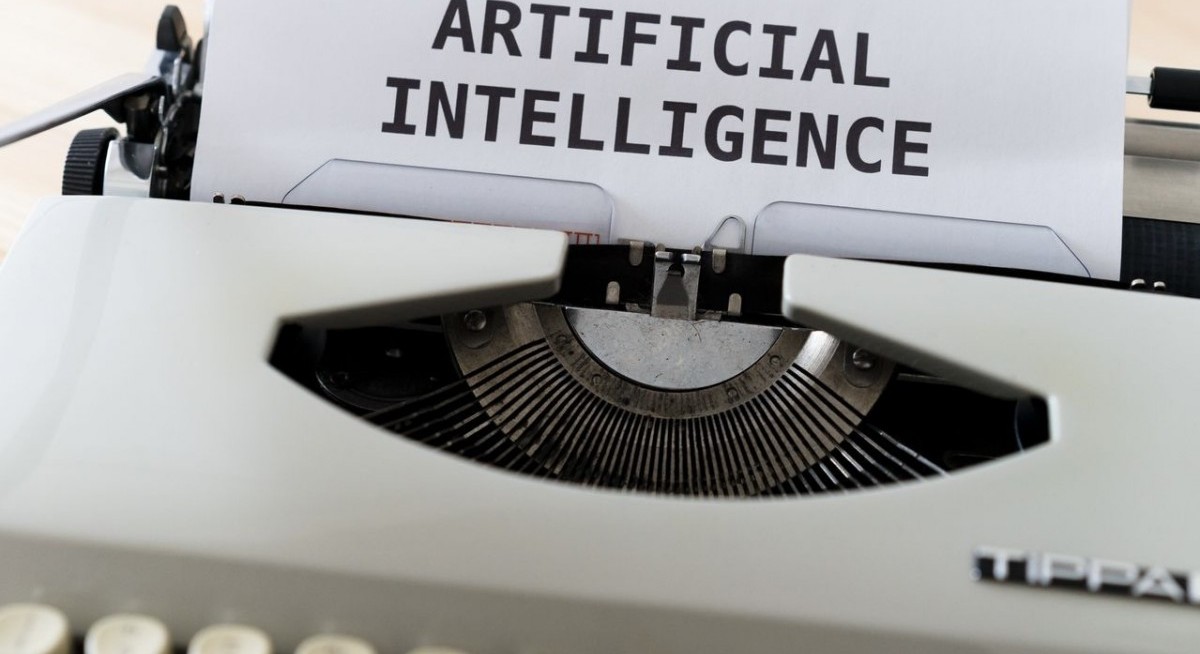
AI represents the third transformation. It not only distributes knowledge but also organises, summaries and generates it. AI does not just store and transmit information; it produces answers instantaneously, confidently and at near-zero cost.
The constraint in the AI age is therefore no longer knowledge, nor access to it. Answers are abundant. What is needed is judgement.
The printing press transformed scarcity to scale, the internet revolutionised scale to access and AI empowers access to substitution. Man becomes validator, interpreter and decider. When AI does the thinking, thinking becomes scarce.
The printing press decentralised knowledge. The internet democratised knowledge. AI may recentralise knowledge — quietly, invisibly and algorithmically.




