


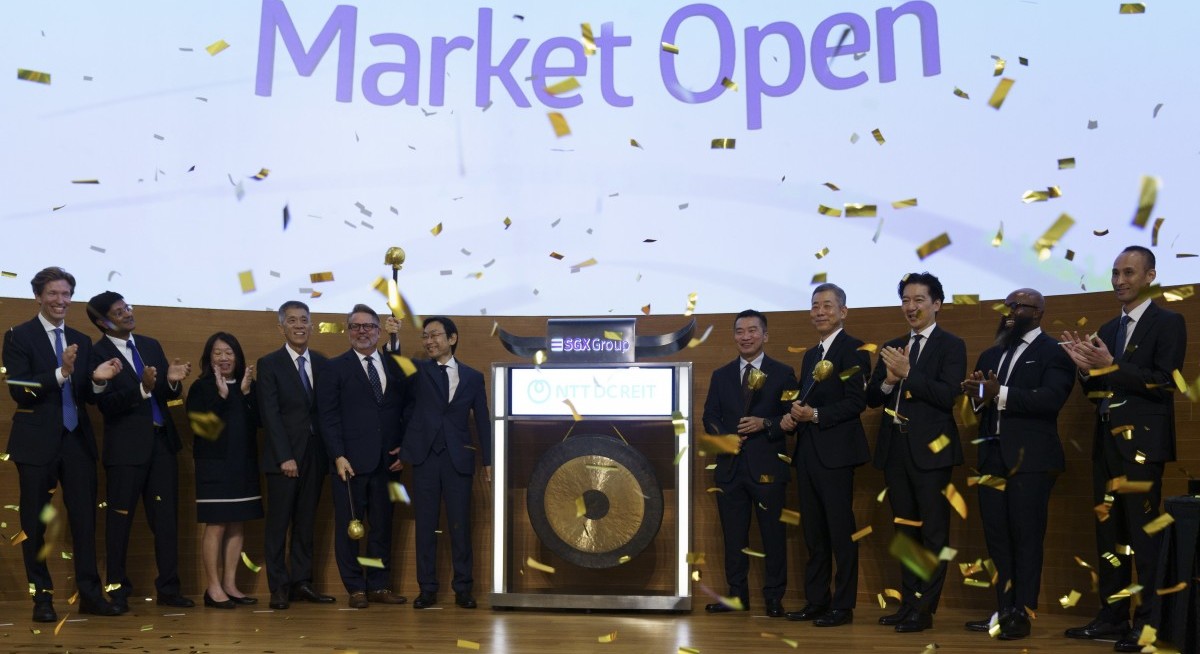


For instance, NTT DC REIT, Singapore’s largest REIT IPO since 2013, barely made a splash price-wise when it made its trading debut on July 14. The REIT’s units hit an intra-day high of US$1.03 ($1.32), only to close flat at its IPO price of US$1. NTT DC REIT prices have been hovering at that level ever since.
Similarly, co-living business Coliwoo Holdings made its trading debut on Nov 6 at 61.5 cents, 2.5% higher than its IPO price of 60 cents, before closing below it at 58.5 cents. The company’s shares closed flat at 55.5 cents on Jan 2.
Of course, not having an IPO “pop” does come off as a bummer for retail investors looking to make a quick buck by flipping their newly issued shares on the first day of trading.
It’s easy to get envious once you look at the huge price jumps in Chinese AI chipmaker shares when they went public. Hong Kong-listed Shanghai Biren Technology’s shares surged by almost 76% on its first day of trading on Jan 2. Biren’s shares closed at HK$34.46 ($5.68), higher than its offer price of HK$19.60.
See also: STI’s reserve list is more interesting than the STI itself
Still, having a “pop” in share price post-IPO isn’t a win-win situation for everyone. If anything, it’s more like a zero-sum game.
While investors may be happy to cash out their holdings, the companies themselves may be left itching with regret. After all, a big “pop” suggests the company’s underwriters may have underpriced the offering significantly and raised much less capital than it could have.
This makes IPO pricing more like an art than a science. Investment bankers are essentially trying to find a sweet spot that allows them to meet the company’s capital needs without suffocating investor demand too prematurely.
See also: New Temasek must be more than old wine in new bottles
Perhaps, the more important question investors need to ask themselves when deciding whether to subscribe to an IPO isn’t whether there will be a “pop.” Rather, they should be adopting a longer-term view and consider a company’s fundamentals and outlook.
For what it’s worth, not having a big “pop” has not stopped some 2025 listings from recording big gains months later. Semiconductor optics company MetaOptics made its trading debut on Sep 9 and reached an intraday high of 25 cents before closing at 24 cents, above its offer price of 20 cents. MetaOptics’ shares have rallied significantly since then. MetaOptics closed at $1.27 on Jan 2, a 635% gain from its offer price.
Since companies are thinking long-term when they go public, investors may just have to follow suit. After all, no one wants to leave money on the table.




