




The plot was to create hyperinflation of the sort that Zimbabwe saw in the 1990s. The TV show is set long before Mugabe ravaged that country. The Nazis plan to destroy the British economy from the inside.
Tommy Shelby, the hero in the series, is a petty criminal in Birmingham. Despite being a gangster, he turns out to be an honourable thief. He stops the plot with a landmine, which blows up the fake notes.
Though it is a fictional tale, the fragility that it exposes is not. Fiat currency rests on a single factor — trust. It is not backed by gold or any hard asset. It is dependent on the government’s word.
Hyperinflation can wipe out an economy. In Zimbabwe, it made paupers billionaires. A basic meal costs 8 million Zimbabwean dollars. In the Weimar Republic, a wheelbarrow of cash was required to buy basic provisions.
See also: Bitcoin’s retreating retail army exposes fresh market fragility
A new invention may protect a currency. It is called a stablecoin.
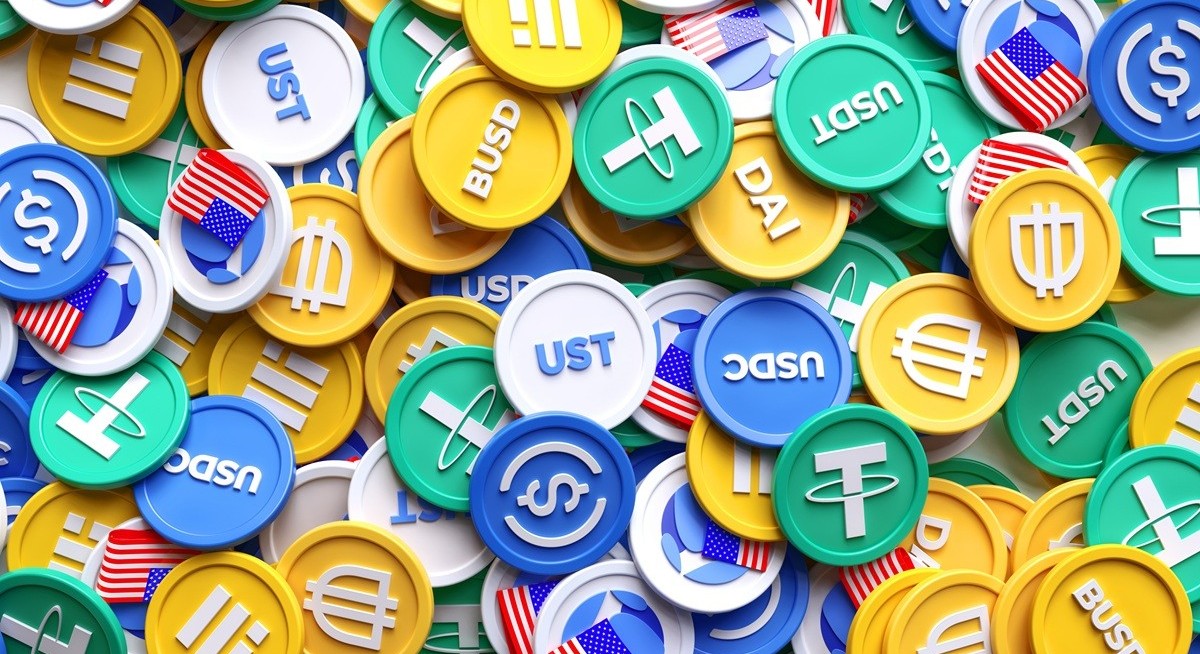
A stablecoin is a digital dollar. It is a cryptocurrency pegged one-for-one to the US dollar. It is recorded on a public blockchain and redeemable on demand. It cannot be faked.
Unlike Bitcoin, it does not lurch 30% in a week. Unlike your bank account, it moves across borders in seconds at nearly zero cost. There are no correspondent banks standing in the way. I once waited for two weeks for a telegraphic transfer due to a clerical error.
See also: Bitcoin hits two-week low as tech selloff sparks risk-off mood
The scale of adoption has been rapid. Global stablecoin transaction volume hit US$33 trillion ($42 trillion) in 2025. This was a 72% y-o-y rise in a year.
The total stablecoin volume exceeds the combined settlement volumes of Visa and Mastercard. There are more than 125 million users.
The Monetary Authority of Singapore (MAS) has embraced stablecoins with alacrity. Its stablecoin framework was finalised in August 2023. This was way before American and European regulators embraced it. It requires issuers to hold 100% of their reserves in the pegged currency. The MAS-regulated stablecoin has become the gold standard.
There has been a spate of deals by stablecoin players in this city-state. KAST is a stablecoin app that was founded in July 2024 by Raagulan Pathy. Last week, it closed a US$80 million Series A co-led by QED Investors and Left Lane Capital, at a reported valuation of US$600 million.
The stablecoin platform has one million users and over US$5 billion in annualised transaction volume. It appears to be on target for US$100 million in annual revenue in 2026. That is not a start-up.
Raagulan, whose LinkedIn moniker is “The Stablecoin Guy”, was previously CEO of Circle Singapore, the issuer of USDC. His original backers include Peak XV, one of the world’s top VCs.
This is not the only stablecoin deal in town. TazaPay is applying the payments to cross-border payments. The firm closed a US$36 million Series B in March 2026. It was led by Circle Ventures and backed by Coinbase Ventures, Ripple, and Peak XV Partners. It processes US$10 billion in annualised payment volume, growing at 300% y-o-y.
Sink your teeth into in-depth insights from our contributors, and dive into financial and economic trends
It has reached operational breakeven quicker than expected. It wants to replace slow and cumbersome correspondent banking with stablecoin-to-fiat rails for businesses in emerging markets.
There are options in the stock market. Circle Internet Group — issuer of USDC — went public in June 2025, priced at US$31 and closing its first day up 168%. Revenue rose 64% to US$2.7 billion in 2025, with USDC on-chain volume up 384% to US$33.3 trillion. Coinbase is the other US proxy. It shares USDC revenue with Circle and benefits from every dollar of stablecoin volume on its Base blockchain.
Tommy Shelby stopped the Nazi plot with explosives. The modern answer to monetary fragility is more elegant. It is a ledger backed by assets. Stablecoins will not make great television. But they may protect your money.
Nirgunan Tiruchelvam is head of consumer and internet at Aletheia Capital and author of Investing in the Covid Era




