


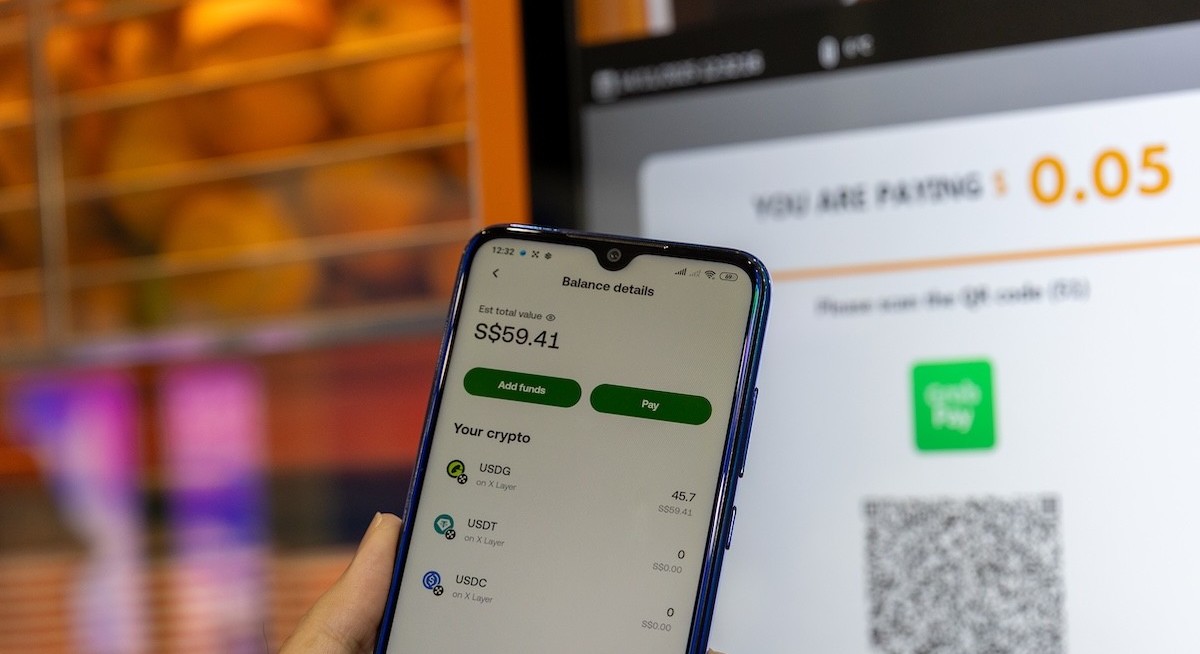


Worldwide, businesses are beginning to recognise the value of stablecoins. Asia, in particular, provides an early glimpse of the opportunity. Stripe’s 2025 study found that 60% of Asian businesses are familiar with stablecoins and 14% are already accepting or using them in transactions. Almost half of the surveyed businesses (46%) are planning to start using stablecoins within 24 months.
In 2025, Stripe acquired Bridge and Privy, platforms providing stablecoin orchestration and issuance, and programmable wallet infrastructure. These types of building blocks point to how quickly internet-native financial services are taking shape.
What this means for cross-border businesses
Stablecoins enable faster, cheaper and more transparent money movement. And just as the internet made information global, stablecoins are now making money global. In regions where currency volatility or high transfer costs create barriers, stablecoins offer a more efficient way for businesses and consumers to access the global economy.
See also: Bitcoin hits two-week low as tech selloff sparks risk-off mood
Across Asia, this shift is reflected in the rise of digital banking platforms built on stablecoin rails. Apps like XLD Finance allow users in the Philippines, Vietnam, and Indonesia to hold dollar-denominated balances and make low-cost global transfers, while neobanks such as DolarApp help individuals in emerging markets safeguard their savings and access more stable, globally connected financial services.
Remittance companies have been at the forefront of stablecoin development. Companies such as Remitly and Felix are using Bridge to cut costs, reduce delays, and unlock access to global markets. Remitly is enabling customers in select markets to receive stablecoins directly into a digital wallet, while Felix uses stablecoins to deliver faster and cheaper currency conversions for people sending money via WhatsApp.
Platforms with global reach are also integrating stablecoins at scale. Shopify uses Stripe to help millions of merchants across more than 30 countries accept stablecoin payments, which are automatically converted into local currency. This allows businesses to reach more customers at a lower cost without changing their existing operations.
See also: Michael Saylor’s Strategy buys US$34.9 mil of bitcoin using common stock
Large enterprises have found early value in adopting stablecoins for treasury operations. SpaceX, for example, uses Bridge to quickly and efficiently convert earnings from Starlink in markets such as Argentina and Nigeria, back to dollars. Stripe has started using stablecoin rails to rebalance its own internal treasury.
Banks, too, have a role to play. While some worry that near-zero-cost on-chain settlements threaten fee-based models, many financial institutions are recognising the opportunity. A recent report from Fireblocks highlights this shift: among approximately 300 payment providers and banks surveyed globally, 90% are actively using or exploring stablecoins. Almost half (49%) already use stablecoins for payments, 23% are running pilot programs, and 18% are in planning stages.
Building the foundations of digital-native finance
Strong regulatory foundations are essential for building trust, protecting users, and enabling businesses to adopt stablecoins with confidence. Clear frameworks like the U.S. GENIUS Act and Europe’s MiCA are introducing rigorous standards for licensing, reserves, and transparency.
Regulators in Asia are not trailing behind. Singapore is also laying the groundwork for the regulated use of stablecoins. This effort began with Project Orchid, the Monetary Authority of Singapore (MAS)’s multi-year exploration of a digital Singapore dollar and the infrastructure required for programmable money. The recently launched BLOOM initiative is one step further to bring together public and private sector partners to test how regulated stablecoins and tokenised bank liabilities can be used safely in domestic and cross-border payments. Building on these foundations, the authority is preparing to introduce public consultations soon to formalise the existing regulatory framework for stablecoins.
With clearer regulation and more capable infrastructure, stablecoins are well-positioned to become a meaningful tailwind for businesses globally. They are moving from niche technology to global infrastructure, reshaping how money flows across borders. Asia remains an important proving ground for innovation, but the opportunity is truly worldwide. By embracing stablecoins thoughtfully, companies everywhere can unlock new efficiencies, reach new markets, and participate in the next wave of digital finance.
Sarita Singh is the regional head and managing director for Southeast Asia, India, and Greater China for Stripe




