


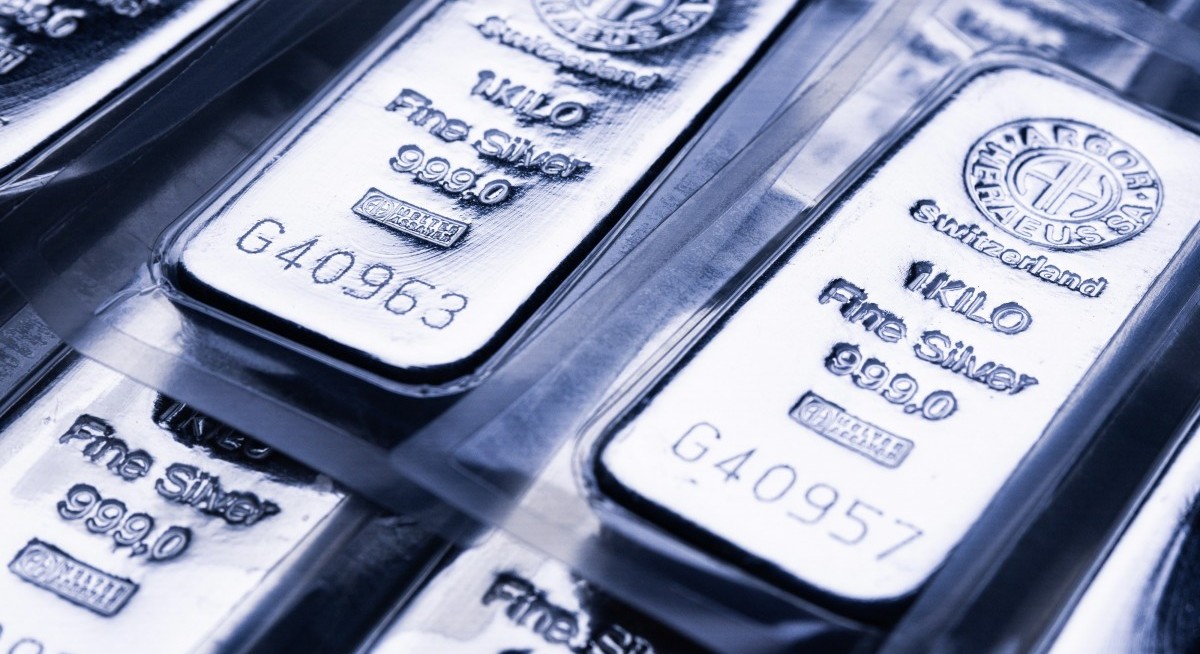


Deak & Co had once been a pillar of the global precious metals trade. The Deaks were a Hungarian family that fled Nazi persecution. It built its reputation on secrecy.
At its peak in the 1970s, Deak & Co attracted the glitterati of its era. Its customers included Arab royalty and Japanese corporations such as Toyota. Gold prices rose fourfold during the 1970s. Silver did even better. It was up 10 times.
Nicholas Deak had an unusual background for a precious metals dealer. He had a doctorate in philosophy and spoke seven languages.
His talents drew the CIA’s attention in his youth. He served the CIA in Burma during World War II, when it was under Japanese occupation. Deak received the sword of surrender from the Japanese military commander in 1945.
See also: Indonesia plans to boost nickel output, fuelling price drop
After the war, Deak built his firm with a drive that belied his quiet manner. Despite his trappings, Deak remained a cautious player. He avoided leverage and focused on serving the clients.
Even the cautious were not spared in the 1970s silver frenzy. Inflation surged, and trust in fiat currencies eroded. Silver prices began to climb relentlessly. The Hunt brothers’ attempt to corner the market turbocharged the frenzy.
Silver drew wild speculation. Prices rose from under US$6 an ounce in early 1979 to nearly US$50 by January 1980. Holding physical silver felt less like speculation and more like common sense.
See also: Copper extends losses as dollar and hawkish Fed pressure metals
For Deak & Co, large silver inventories were a necessity. In 1980, the regulators changed margin rules. The tide turned, and silver collapsed.
This week, silver plunged 35%. The 1980 collapse was much more violent. Silver plunged 80% within weeks.
A large silver hoard had been an asset for a trader. It was now a liability. The inventory values evaporated just as liquidity demands surged. In 1980, Deak & Co financed large physical silver inventories with short-term credit.
Deak & Co was facing foreclosure. In the bull market, customers queued outside. Now, creditors were doing the same.
When silver fell from nearly US$50 ($63.71) per ounce to below US$11 per ounce, the inventory was marked down. The credit lines were pulled. Forced liquidation followed. The mistake was not believing in silver, but excess exposure when prices turned.
The ghost of Nicholas Deak may haunt us. Last week, silver soared into the US$115 per ounce range. This marked a fourfold rise in a year. The surge was driven by expectations of interest rate cuts and the weak dollar.
The reversal has been sudden. The appointment of Kevin Warsh as Fed chair was the catalyst. It was feared that Warsh would keep interest rates high. Prices slipped back toward the US$85 per ounce range. Margin calls have accelerated selling into thinning liquidity.
Sink your teeth into in-depth insights from our contributors, and dive into financial and economic trends
As in Deak’s era, the most vulnerable players are one step removed from the metal. The silver miners see revenues contract while costs lag. Miners like First Majestic Silver, Coeur Mining and Hecla Mining are sitting ducks. Mining plans that look robust at US$100 an ounce silver compress quickly when price s retrace even modestly.
Today’s precious metal dealers could face strife. A-Mark Precious Metals, listed on Nasdaq, trades in silver bars and has seen a surge in its inventory value. It operates with thin margins of less than 3%. Its working-capital needs are three times its operating profit. Inventory accumulated during the January rally faces immediate mark-to-market losses. The volumes may slow as buyers delay purchase. This would create a double squeeze on cash flow.
Deak & Co’s bank was bought out in 1985 for US$58 million by Chan Cher Boon, a Singaporean lawyer. This was far less than its peak value. There may be opportunities once the dust settles. Investors should watch out for silver distress before that happens.
Nirgunan Tiruchelvam is head of consumer and internet at Aletheia Capital and author of Investing in the Covid Era




