




Though he also brought Mars chocolate bars and Star Wars action figures, the Polaroid was the star attraction. My brother and I revelled in it, but broke it a few weeks later.
We take instant photos for granted in this age. There was a time when you had to wait for photos to be developed. The film had to be taken to a shop, and it could take days before you got the photos back.
The instant photograph was a revelation. It changed the way people understood images, much as the iPhone later would.
Similarly, silver prices sparkled while Polaroid cameras flashed. Each Polaroid film pack contained silver halide in the negative layer. There were also silver compounds in the processing chemistry.
See also: Indonesia says export agency to focus on price, not trading
At Polaroid’s peak in the late 1970s, the company was selling about 350 million film packs annually worldwide. At about 1 gram of silver per pack, that implies 350 metric tonnes of silver per year consumed by Polaroid film alone. Photography represented a third of total global silver demand at the time.
In 1974, Silver was just US$1.50 an ounce (about 1% of the price of gold). In five years, due to the Polaroid boom and the accumulation of silver by the Hunt Brothers, silver shone brightly.
The price rose more than 30-fold to US$50 ($64) an ounce, which was an all-time high. The regulators took action. Congress banned margin trading in silver. The price of silver halved to US$10.50 an ounce.
See also: Copper declines as fresh US-Iran flareup stokes inflation fears
Silver then went into a long slumber because Polaroid cameras lost their appeal. The spread of one-hour photo labs in the early 1980s was a body blow. A mini lab could now hand you a stack of high-quality 35mm prints in an hour for less money. Polaroid’s “instant” advantage evaporated. Polaroid films were also much more expensive than 35mm prints.
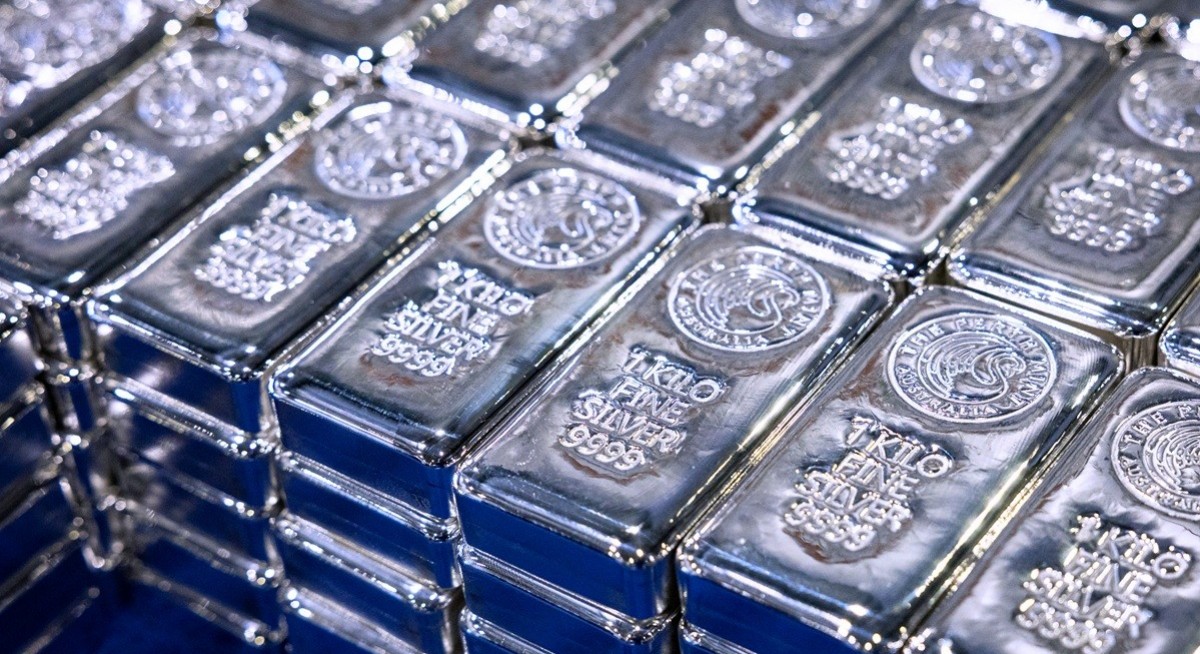
Though Polaroid cameras are now found in museums, a new silver boom may be upon us. Precious metals are a hedge against inflation. Gold has glittered. It is up 67% in 2025 alone. The rise has been driven by relentless central bank buying. There is a fear that the dollar’s reserve status will be impaired.
Silver follows gold with a lag and then overshoots. The gold-silver ratio, which touched 100:1 during the Covid-19 panic, has fallen to 60:1.
There is a case that it could return to 40:1. These were levels seen at previous commodity cycle peaks in 2009-2011 and in 1979-1980. At current gold prices, a 40:1 ratio implies silver above US$100 per ounce.
Unlike gold, silver has industrial uses. The killer app for silver is solar panels. Solar panels require silver paste for their photovoltaic cells. The global solar build-out is accelerating.
Each gigawatt of solar capacity consumes approximately one million ounces of silver. AI data centres add incremental silver demand through electronics.
The Silver Institute has recorded six consecutive years of supply deficits. Some 762 million ounces have been drawn from above-ground stockpiles since 2021. This amounts to around 64% of annual silver demand.
Sink your teeth into in-depth insights from our contributors, and dive into financial and economic trends
Silver supply is tight. Of the roughly 60 billion tonnes ever mined, about half has been consumed beyond recovery. Of what remains, only around a tenth is available for investment. The rest sits in jewellery, silverware and decorative objects. In practice, silver is far less accessible than gold. It is at half its 1980 inflation-adjusted peak of approximately US$150 per ounce in today’s money.
ETFs that track the silver price provide excellent exposure. The iShares Silver Trust (SLV) that trades on the New York Stock Exchange (NYSE) is widely held. Investing in stocks that produce silver may perform better than the ETF. In 2008-2011, Great Panther Silver and First Majestic Silver, both listed on the NYSE, rose sharply. First Majestic Silver is another proxy.
The market is expecting its ebitda to double in FY2026. If so, it would surpass the ebitda levels of the 2008-2011 boom.
Investors may snap it up. But the silver trade could vanish just as fast as the Polaroid boom.
Nirgunan Tiruchelvam is head of consumer and internet at Aletheia Capital and author of Investing in the Covid Era. The views expressed here are not investment advice.




