


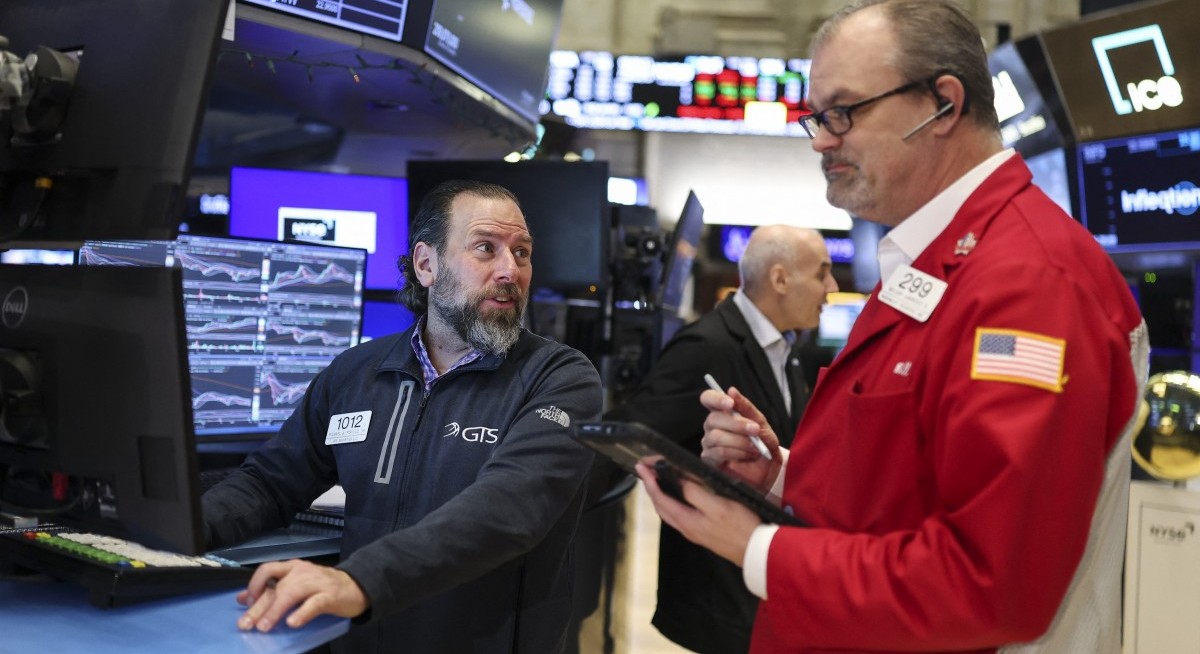


(Feb 20): Heightened geopolitical worries sent stocks lower while extending a surge in oil and keeping a lid on bonds amid perceived inflation risks. Gold hovered near US$5,000 ($6,344.32), while selling shook alternative asset managers after a private credit fund halted redemptions.
As a sense of caution prevailed, the S&P 500 fell after a rebound from a tech-fuelled sell-off. Walmart Inc slid on a conservative outlook, but the giant retailer’s comparable sales in the US beat expectations. Crude hit the highest since August. Treasuries barely budged. The dollar rose.
President Donald Trump said the US has to “make a meaningful deal” with Iran while adding that the next 10 days will tell whether there will be an accord. Iran is a “hot spot” right now even as officials from both sides engage in “good talks”, Trump said. He also noted his son-in-law Jared Kushner will be an “envoy of peace”.
The US military is stationing a vast array of forces in the Middle East, including two aircraft carriers, fighter jets and refueling tankers, giving Trump the option for a major attack against Iran as he pressures the country to strike a deal over its nuclear program.
American military build-up in the region means Iran’s window to reach a diplomatic agreement over its atomic activities is at risk of closing, according to the head of the United Nations nuclear watchdog. A potential war would put flows at risk from a region that pumps about a third of the world’s oil.
The rising risk of an attack in the Middle East is impairing risk appetite near-term, according to Thomas Lee at Fundstrat Global Advisors.
See also: Miami Waldorf developer moots building second 1,000-foot skyscraper
Also dimming sentiment among investors was Blue Owl Capital Inc’s decision to restrict withdrawals from one of its private credit funds that raised concern over the risks bubbling under the surface of the US$1.8 trillion market. Its shares sank about 6%, dragging down industry peers like Apollo Global Management Inc, Ares Management Corp and TPG Inc.
Some traders also attributed the risk-off mood to caution ahead of Friday’s readings on the economy and inflation, particularly after minutes of the Federal Reserve’s latest meeting meeting showed renewed concerns about price pressures.
The S&P 500 pared its drop to 0.3% in the last stretch of trading, but nearly 300 of its shares retreated. The yield on 10-year Treasuries dropped one basis point to 4.07%. A US$9 billion sale of 30-year Treasury Inflation-Protected Securities was strong. West Texas Intermediate topped US$66.
See also: Blue Owl’s woes expose private credit risks for retail investors
“Crude oil prices are rising on the anticipation of possible military action in Iran,” said Louis Navellier at Navellier & Associates. “The US and Iran are expected to meet again, and those negotiations are expected to be closely watched.”
With Iran’s military proxies greatly weakened and the economy in crisis, the country doesn’t find itself in a very strong negotiating position, so the markets likely expect a diplomatic resolution, according to Dennis Follmer at Montis Financial.
“Right now, stocks have not priced in the tensions between the US and Iran. That seems appropriate,” he said.
One of the biggest threats to stocks from the Iran situation would be if they were to shut down the Strait of Hormuz — a key global shipping lane. Follmer says he believes this is a “low probability risk,” given the amount of US military assets gathering in the region and Iran’s economic need to get oil out through the Strait.
“Given the likelihood of a diplomatic solution and that the resulting volatility from an actual armed conflict would be fairly contained, we think any portfolio changes are unwarranted,” Follmer noted.
Traders also kept an eye on the latest economic readings.
Jobless claims dropped by the most since November, adding to evidence of stabilisation in the labor market. Pending sales of existing homes fell in January to a record low. The US annual trade deficit with China shrank in 2025 to the smallest in more than two decades — and widened to record levels with Mexico and Vietnam — as Trump’s sweeping tariffs reordered global trade.
To stay ahead of Singapore and the region’s corporate and economic trends, click here for Latest Section
On Friday, the government will issue its first estimate of gross domestic product for the fourth quarter, a period that included the longest-ever federal government shutdown. The latest report card on the economy is projected to show growth cooled to a still-solid annualised pace after expanding in the prior quarter at the quickest rate in two years.
Consumers probably remained the economy’s primary driver despite grumbling about the cost of living and anxiety over job prospects. The Bureau of Economic Analysis on Friday will also release the Fed’s preferred inflation gauge.
Uploaded by Isabelle Francis




