




In updated forecasts, the BOE predicted inflation will be at its 2% target in April and warned of slowing growth and rising unemployment.
The Monetary Policy Committee’s decision was more dovish than anticipated, with the close call not reflected in market pricing before the meeting for a near-zero chance of a reduction. Earlier on Thursday, the pound dipped and gilt yields rose as speculation mounted over the future of Prime Minister Keir Starmer.
The pound extended losses, falling as much as 0.8% to US$1.3550 ($1.73), and traders ramped up bets on rate cuts to price more than a 50% chance of a quarter-point move in March. They expect 45 basis points of reductions in total by year-end.
“The bank’s close vote to hold rates suggests cuts are not a matter of if, but when,” said George Brown, senior economist at Schroders. “The temporary disinflationary window ahead should offer enough cover to justify one or two more cuts.”
See also: PMI shows UK economy shrinking for second straight month
What Bloomberg Economics says...
The bank’s forecasts showed inflation returning to the 2% target in April and then falling below for much of 2027. The minutes of the MPC’s meeting said there was “evidence of subdued economic growth and building slack in the labor market.” The upside risks to inflation have “become less pronounced,” it added.
Both Bailey and Catherine Mann — an external MPC member also among the five to hold this month — signaled that they are close to moving into the rate-cutting camp. They “placed greater emphasis on the risks to inflation from weaker activity,” the minutes said.
See also: Keir Starmer announces his resignation as UK prime minister
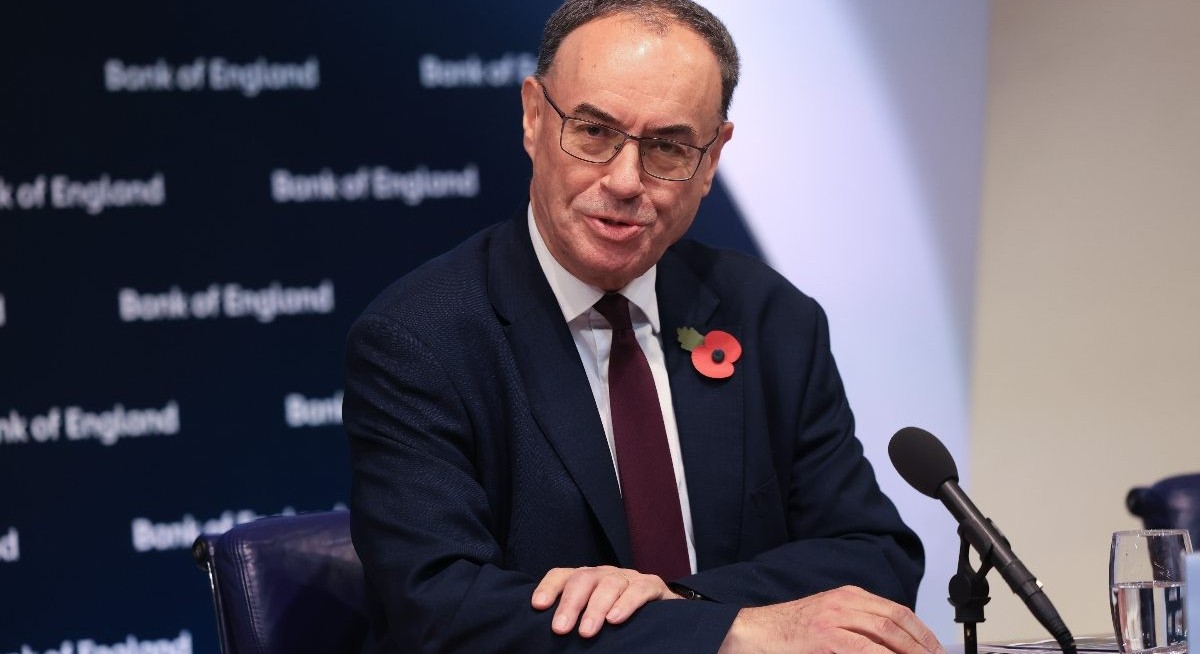
“My main message today is one of good news: disinflation is on track and looks to be ahead of the schedule that we expected in November,” Bailey said in the press briefing following the decision. “Recent developments provide more confidence that inflation is on track to return to the target soon.”
The BOE hopes to continue a gradual easing cycle at a time when other central banks are hiking or keeping policy on hold. The Reserve Bank of Australia reversed course after a brief easing cycle last year and the European Central Bank is expected to signal little policy change ahead when it unveils its own decision later on Thursday.
The BOE has been trying to strike a balance between sticky inflation, which has proved more difficult to tame than in most major advanced economies, and signs of a weakening jobs market. British firms are cutting back on hiring and redundancies are on the rise.
Inflation is still well above target at 3.4% but the BOE’s forecasts showed a consistent easing of pressures. From April until the start of 2029, inflation does not rise above 2% again and spends four quarters below target, according to the projections. The overall projections are based on interest rates bottoming out at 3.25% by the end of this year then climbing back to around 3.75% in 2029.
Bailey said that the boost to price pressures from tax rises in Labour’s first budget is fading, while its second is expected to push down inflation. The Labour government’s November budget removed social and climate levies from household energy bills and made cuts to other regulated prices; the BOE said this will mechanically lower inflation in the second quarter by 0.5 percentage points.
All four of the MPC’s doves — Swati Dhingra, Alan Taylor, Dave Ramsden and Sarah Breeden — voted for a cut, defying the expectations of most economists who had thought only two or three would push for more easing.
Alongside the decision, the BOE released its latest economic forecasts. Growth this year has been downgraded sharply to 0.9% from 1.2% and to 1.5% from 1.6% in 2027. In 2028, the economy is forecast to grow 1.9%, marginally faster than the previous 1.8% projected.
Weaker growth is accompanied by a worse outlook for unemployment. Joblessness now peaks at 5.3% in the second quarter of this year, up from the latest official reading of 5.1%. Across 2026, unemployment is around 0.3 percentage points higher than previously thought — implying about 100,000 more people out of work.
The bank anticipates weaker bargaining power among employees will help keep annual pay rises to 3.25% this year, a level the bank says is consistent with 2% inflation. It was more optimistic on productivity but has not changed its estimate of potential long-term output growth of around 1.4%.




