


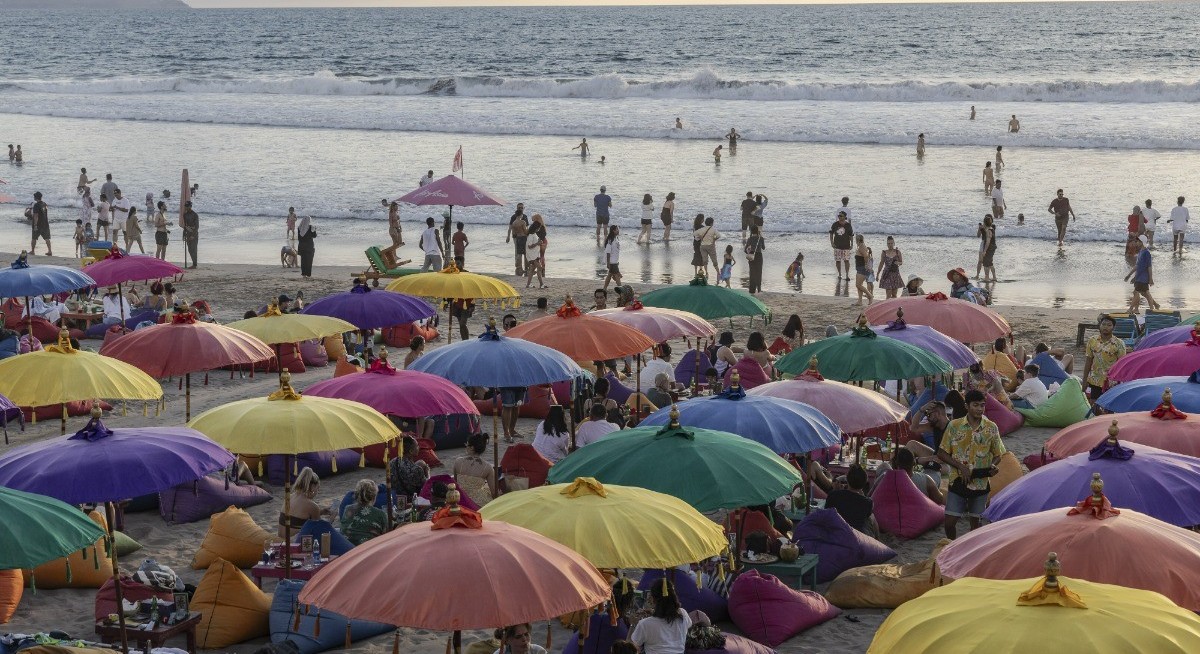


Bali — popularly known as Indonesia’s island paradise — is grappling with the fallout from a post-Covid tourism boom, from mind-numbing traffic congestion to over-building and environmental damage. Airbnbs have emerged in recent years as a cheaper, popular alternative to the sprawling resorts and luxury hotels that dot the island of four million.
The local government has tightened tourism rules in response, including imposing a new levy on international visitors and stepping up enforcement against unlicensed operators. Officials say such measures are aimed at ensuring tourism doesn’t come at the expense of tax compliance and environmental management.
A ban in Bali would be a blow to Airbnb’s international expansion, which the San Francisco-based company has identified as one of its key areas for investment to drive new growth.
Reservations in Asia and Latin America have been driving most of Airbnb’s growth in recent years as gains in North America business moderates.
See also: Thai tourism takes hit as strong baht, war compounds China fears
To attract more international users, it began allowing local payment methods in about two dozen countries in late 2024. In particular, it named Indonesia, Brazil and Korea as examples of where local payments were available in its fourth quarter 2024 report.
The Bali governor’s office didn’t immediately respond to a request for comment. Airbnb didn’t respond to requests for comment outside normal business hours.
More than 2,000 hotels and villas are operating without permits and will face sanctions, the governor added. Roughly 16,000 lodging units are getting marketed online, competing with the 378 members of Bali’s Indonesian Hotel and Restaurant Association, the state news agency reported.
Uploaded by Chng Shear Lane




