




The slowdown offers the clearest sign yet that geopolitical tensions are beginning to reshape Japan’s tourism outlook. Beijing’s advisory discouraging travel to Japan and its directive for airlines to cut flights through March 2026 raise the risk of a prolonged downturn.
“We’ll continue to monitor the situation including the impact from Chinese measures, and respond appropriately,” Takaichi said in a press conference on Wednesday. “I believe communicating with China is important precisely because we have challenges.”

Compared against projected outlays if the growth trend had stayed intact, the total lost in tourism spending amounts to around ¥57 billion, according to a Bloomberg calculation. The cumulative number of Chinese people entering Japan from January to November this year was over 8.7 million, the data showed. The figure includes people who enter Japan as tourists, immigrants, and students.
See also: Thai tourism takes hit as strong baht, war compounds China fears
JNTO noted that demand from China typically eases during this month, but the latest slowdown was compounded by the Chinese government’s warning against travel.
Japan had otherwise been enjoying strong growth in Chinese tourism, with arrivals more than doubling last November compared with the the year before.
Overall, inbound traffic climbed 10% year-on-year in November, the report showed. The increase in arrivals was driven by visitors also from South Korea, Taiwan and the US. South Korea remains Japan’s largest source of tourists, followed by China, Taiwan and the US, respectively.
See also: Bali ponders Airbnb ban in latest effort to curb tourism mess
Still, China’s pullback carries outsized weight. Chinese travellers are Japan’s biggest spenders, accounting for a fifth of the nation’s ¥8.1 trillion in tourism revenue. Their retreat hits an economy where population decline leaves tourism as one of the few reliable growth engines.

Japan could lose ¥1.2 trillion in tourism revenue next year if travel freezes persist, according to Hiromu Komiya, an economist at Japan Research Institute.
“It’s important that Japanese people also travel across the country, and we’re planning on strengthening tourism campaigns to attract people from many different countries,” Takaichi said.
Corporate sentiment
China’s travel curbs are splitting corporate sentiment. About 40% of firms — mainly in retail, food services, lodging and tourism — report negative effects, while another 40% little to none, a December Teikoku Databank Ltd survey of over 1,000 companies found.
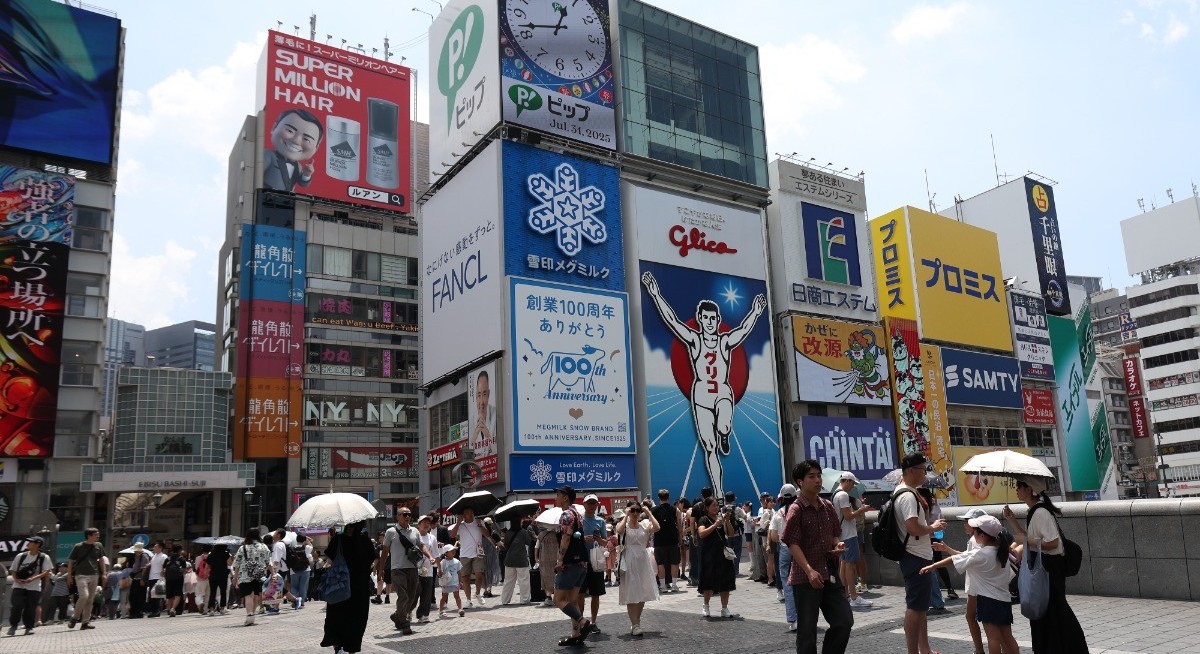
Osaka, Japan’s second-largest economic hub and a key tourism gateway for Chinese tourists, is seeing the sharpest fallout. Kansai International Airport has logged the steepest flight cuts nationwide.
To stay ahead of Singapore and the region’s corporate and economic trends, click here for Latest Section
Bookings for Osaka-bound trips from China for winter and early spring departures are down 55% to 65%, a deeper drop than the national average, marketing researcher China Trading Desk said. Luxury spending by Chinese visitors in Osaka is projected to fall roughly by half to US$40 million to US$60 million a month.
Retailers are feeling the shift immediately. Isetan Mitsukoshi Holdings Ltd said duty-free sales fell around 20% in the first two weeks of December from a year earlier, while overall sales slipped around 2%. Matsuya Co’s Ginza flagship store’s duty-free sales fell about 15% last month from a year earlier, compared with a 1.2% dip in overall sales.
Some companies expect conditions to stabilise as Japan gradually reduces its reliance on China and overtourism concerns ease, the Teikoku Databank survey found. Japan has also been pressing regional destinations to diversify their visitor mix since post-pandemic reopening.
Progress is uneven but evident. In Gifu, Chinese guests now make up 10% of stays, down from 41% in 2019, according to government data. In Shizuoka, that number has fallen to 45% from 71%.
Uploaded by Felyx Teoh




