


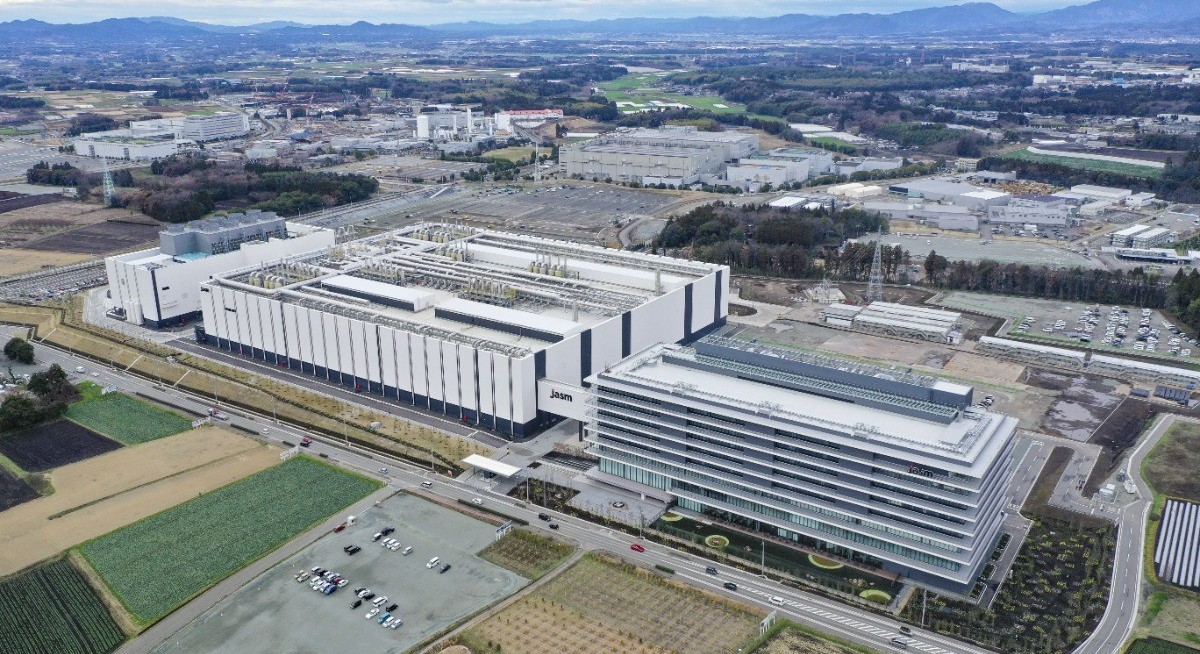


(Feb 5): Taiwan Semiconductor Manufacturing Co (TSMC) plans to make advanced three-nanometre chips in Japan, stepping up its semiconductor manufacturing roadmap in the country in a triumph for Prime Minister Sanae Takaichi’s technology ambitions.
The go-to chipmaker for Nvidia Corp and Apple Inc aims to adopt cutting-edge technology for its second wafer fabrication plant in Kumamoto, TSMC’s chief executive officer said. That marks an upgrade from an original blueprint to produce 7nm chips by late 2027, people familiar with the matter said asking to remain anonymous discussing private deliberations. To drive that expansion, the Taiwanese company plans to hike its overall investment in the southern Japanese plant to ¥2.6 trillion (US$17 billion or $21 billion), the Yomiuri reported Thursday.
TSMC’s planned upgrade in Japan is likely to boost Takaichi’s goal to bolster domestic chipmaking, upholding a policy her predecessors established. Under Takaichi, Japan’s industry ministry is set to nearly quadruple its budgeted support for advanced semiconductors and artificial intelligence development to about ¥1.23 trillion for the fiscal year starting in April.
On Thursday, Takaichi held up TSMC’s Kumamoto endeavour as a template for economic cooperation and said that a 3nm plant shores up both the global chip supply chain and Japan’s own economic security. “We want to strengthen our win-win partnership,” she said at the start of a meeting with TSMC CEO CC Wei in Tokyo.
Wei in turn credited Tokyo for its endorsement and aid. “Without your support this giga-fab project won’t be possible,” he told Takaichi, adding that he’s a “firm supporter”. He held up a copy of her book, Beautiful, Strong and Growing Nation: My Japan Economic Resilience Plan, and said, “You wrote a book five years ago, where you already talked about TSMC.”
The TSMC revelation coincides with a snap lower-house election this weekend that could reshape the country’s political balance. Takaichi — who has only been in the top job for just over three months — has set the election date for Feb 8 to capitalise on soaring public support to shore up her coalition government.
See also: Apple beats tech stocks by most in a year as it avoids AI panic
TSMC’s plans in Japan are in the early stages of discussion and could still change, the people said. Its shares were down around 1.1% in Taipei, while chip tool suppliers including Tokyo Electron Ltd, Advantest Corp and Screen Holdings Co also lost ground, part of a global tech selloff around fears about pricey valuations and huge AI spending plans.
Asia’s most valuable company is accelerating a buildout around the world to meet a surge in demand for the high-end chips required to train and operate AI services. Taiwan also faces growing challenges when it comes to supplying resources including land and electricity, while concerns persist about the concentration of advanced chip production on a self-governing island that China claims as its own.
Growing risk surrounding Taiwan likely contributed to the new plan, alongside faster-than-anticipated adoption of advanced technologies, said Omdia analyst Akira Minamikawa. “This could lead to discussions about producing even more advanced nodes in Japan in the future,” he said.
See also: Panasonic soars most since 2014 on restructuring hopes
Semiconductors made using 3nm processes are used for AI robotics as well as for data processing, Japan’s Economy Minister Ryosei Akazawa said, adding that Japan will work even closer with TSMC and deepen cooperation. TSMC’s move to 3nm chips is “fully aligned with the Takaichi administration’s strategy to advance the social implementation of AI in Japan”, he said.
While Taiwanese officials and TSMC have repeatedly pledged to keep its most cutting-edge technology at home, the company intends to add capacity for more mature semiconductors overseas to alleviate resource constraints at home. TSMC began mass production of 2nm chips in its factory Kaohsiung, Taiwan, in the December quarter.
Uploaded by Chng Shear Lane




