


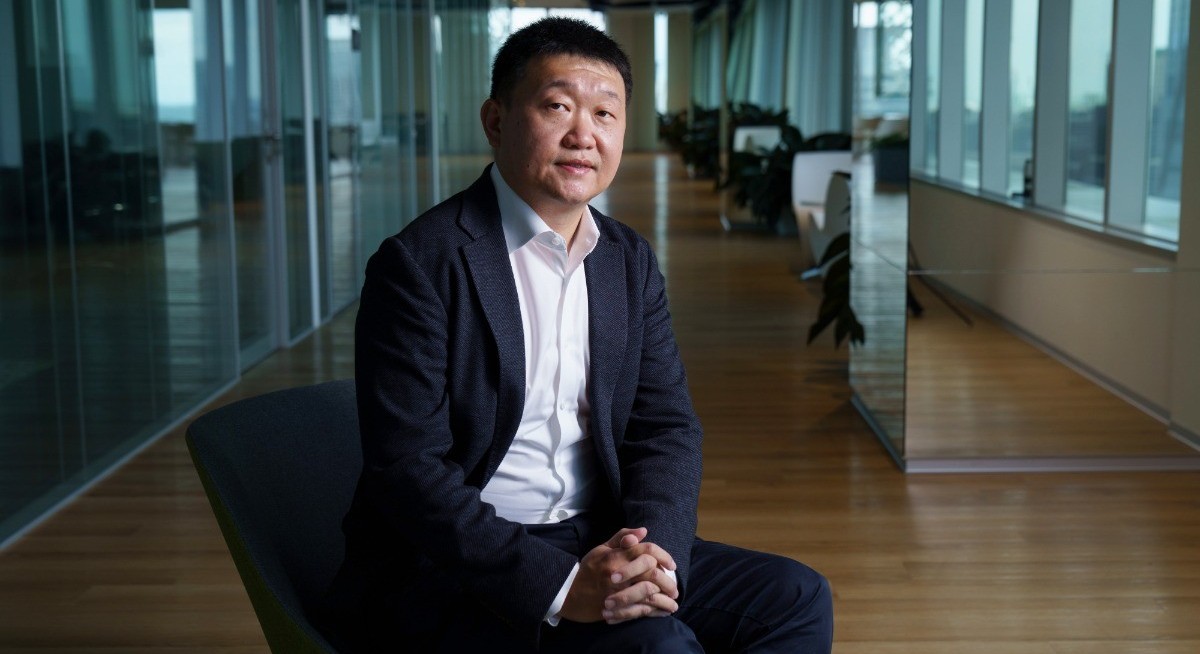


(May 13): Sea Ltd's profit beat sent its shares up the most in nine months, signalling growing investor confidence in its strategy to fend off hard-charging rivals like Alibaba Group Holding Ltd.
Earnings and revenue both exceeded estimates after Southeast Asia’s biggest online retailer attracted more shoppers even as competition intensified in a market rattled by economic and political challenges. The stock rose 13% in New York to close at its highest level since early March.
CEO Forrest Li is battling competition from ByteDance Ltd’s TikTok, Alibaba’s Lazada and upstarts like Temu in Southeast Asia’s fast-growing e-commerce market of more than 675 million consumers. The company has increased spending in areas such as artificial intelligence and said Tuesday such efforts are helping it to better target ads and lower customer service costs.
The earnings beat “should alleviate growing investor fears on profitability with investments starting to show returns", Morgan Stanley analyst Divya Gangahar Kothiyal said in a note.

Net income for the three months through March rose 6% to US$428 million, topping the US$394 million analysts predicted on average. Revenue increased 47% to US$7.1 billion, also exceeding estimates.
See also: Sea’s shares surge 13% after gains in Asian fight with Alibaba
Sea’s shares recouped some of their recent losses. They had fallen more than 50% since a September high as investors assessed their prospects in the cutthroat market. In November, Sea announced its first buyback programme for as much as US$1 billion, seeking to reward investors and take advantage of the stock plunge.
For 2026, Sea said it is on track to hit its guidance of about a 25% increase in e-commerce gross merchandise value. Yet, the company is sacrificing some of its profitability for the growth. In the first quarter, e-commerce arm Shopee’s revenue grew about 45% while its adjusted earnings before interest, taxes, depreciation and amortisation shrank 16%.
Li is betting the AI investments can underpin the company’s next phase of growth much as the rise of PCs and smartphones helped propel Shopee and Sea’s gaming unit Garena. In an October memo, he told employees a trillion-dollar market capitalisation is possible in the AI era if they “make the right calls, execute extremely well, remain very disciplined and compete relentlessly”.
See also: Sara Duterte ouster bid hits wall as allies seize Philippine Senate
So far, Sea has embedded the new technology in small ways like through product recommendations and seller tools, as well as through partnerships. In February, it said it would work with Alphabet Inc’s Google to integrate AI across its operations — including developing AI shopping agents — as it seeks to stay ahead of rivals.
Fresh challenges include the war in the Middle East and potential regulatory hurdles in Indonesia, which could crimp demand in one of its biggest markets.
In a speech last week, Indonesian President Prabowo Subianto outlined a surprise plan to cap the commissions platforms earn from motorcycle drivers, raising concerns the policy could spill over to logistics providers that underpin Sea’s e-commerce operations. Potential online shopping restrictions for children in Indonesia could also add to regulatory uncertainty in Southeast Asia’s biggest economy.
Meanwhile, Sea is working on stemming fallout from oil price increases brought about by the war in the Middle East. So far, there has been some impact to operation costs, Li said during an earnings call.
The conflict could also impact consumer “spending power in some countries if they have to spend more money on gas", Li said, adding that the impact would likely be more noticeable in the second quarter.
Uploaded by Arion Yeow




