


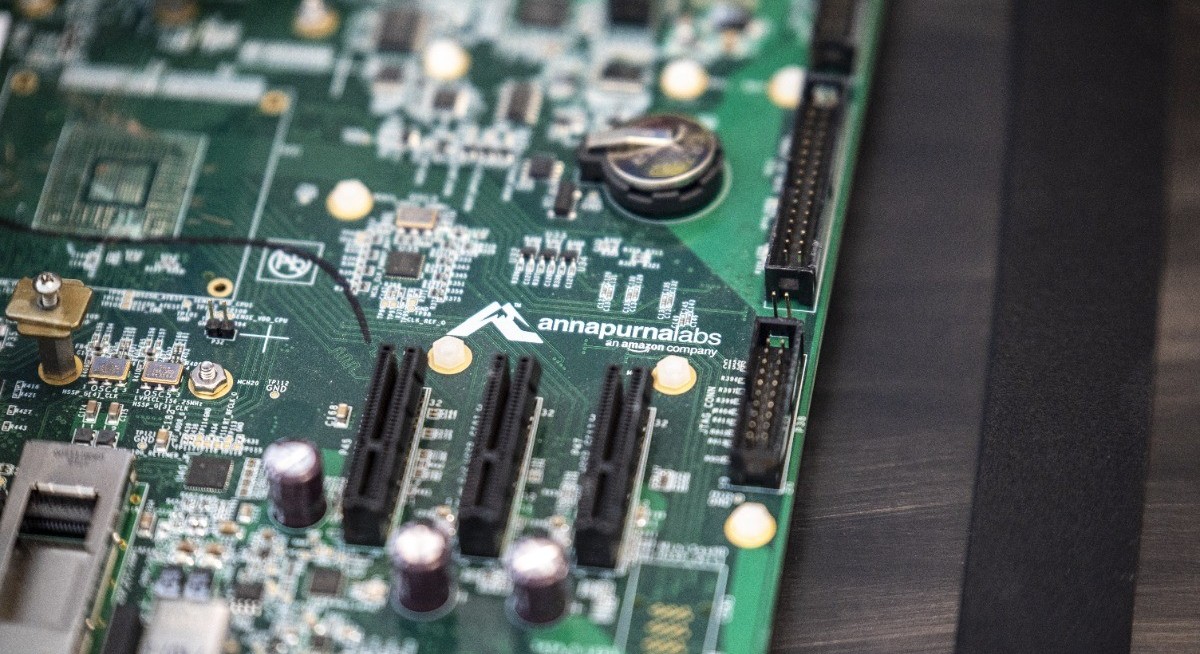


(Feb 10): The relentless surge in memory chip prices over the past few months has driven a vast divide between winners and losers in the stock market, and investors don’t see any end in sight.
Companies from game console maker Nintendo Co and big PC brands to Apple Inc suppliers are seeing shares slump on profitability concerns. Memory producers, meanwhile, are soaring to unprecedented heights. Money managers and analysts are now assessing which firms can best navigate the squeeze by locking in supplies, raising product prices or redesigning to use less memory.
The market had already been bracing for it: a Bloomberg gauge of global consumer electronics makers is down 12% since the end of September while a basket of memory makers including Samsung Electronics Co has surged more than 160%. The question is how much is priced in.
“What remains underappreciated is the risk around duration — current valuations largely factor in that the disruption will normalise within one to two quarters,” said Vivian Pai, a fund manager at Fidelity International. “We believe industry tightness is likely to persist,” possibly through the rest of the year, she added.

Memory chip shortages and pricing are being mentioned frequently by companies in earnings reports and conference calls. Investors are hearing the alarm bells.
See also: Alphabet looks to raise about US$15 bil from US bond sale — Bloomberg
Shares of Qualcomm Inc fell more than 8% last Thursday after the smartphone processor maker signaled that memory constraints will limit phone production. Nintendo slid the most in 18 months in Tokyo the day after it warned of margin pressure from the shortages.
Swiss peripherals maker Logitech International SA has seen its stock slide around 30% from a November peak as higher chip prices damp the outlook for PC demand. Shares of Chinese electric vehicle and smartphone makers from BYD Co to Xiaomi Corp have also been sluggish on worry related to the chip shortages.
“Memory prices have really moved from a background conversation to headlines this earnings season,” said Charu Chanana, chief investment strategist at Saxo. “The market broadly understands that memory prices are up and supply is tight — that’s no longer new information, so I would assume that’s priced in. But it does look like the timeline of this supply tightness is now starting to be questioned.”
See also: Meta hit by EU warning to open WhatsApp to rival AI chatbots

Memory ‘supercycle’
Concerns over demand and earnings are weighing on the corporate landscape, compounded by worries that massive AI infrastructure spending by US hyperscalers will further exacerbate memory-chip shortages. The massive build‑out of AI infrastructure led by the likes of Amazon.com Inc has shifted production capacity toward high-bandwidth memory and away from traditional DRAM.
This has led to what some are describing as a “supercycle,” breaking the usual boom-to-bust patterns of memory supply and demand.
Spot prices for DRAM have shot up more than 600% in the past few months, even as demand for end-products like smartphones and cars remains weak. On top of that, AI is creating new demand for NAND chips and other storage products, driving up costs in those segments as well.

As such, memory chip makers have been the standout winners among tech stocks. Shares of SK Hynix Inc, a key supplier of HBM to Nvidia Corp, are up more than 150% just since the end of September in Seoul. Among makers of more pedestrian chips, Japan’s Kioxia Holdings Corp and Taiwan’s Nanya Technology Corp are up around 280% each in that span, while Sandisk Corp has climbed more than 400% in New York.
“Historically the memory cycle normally lasted three to four years,” said Jian Shi Cortesi, a fund manager at GAM Investment Management in Zurich, adding that she has been holding memory chip shares for a long time. “The current cycle already exceeded the previous cycles both in length and magnitude, and we are not seeing demand momentum softening.”
Uploaded by Magessan Varatharaja




