


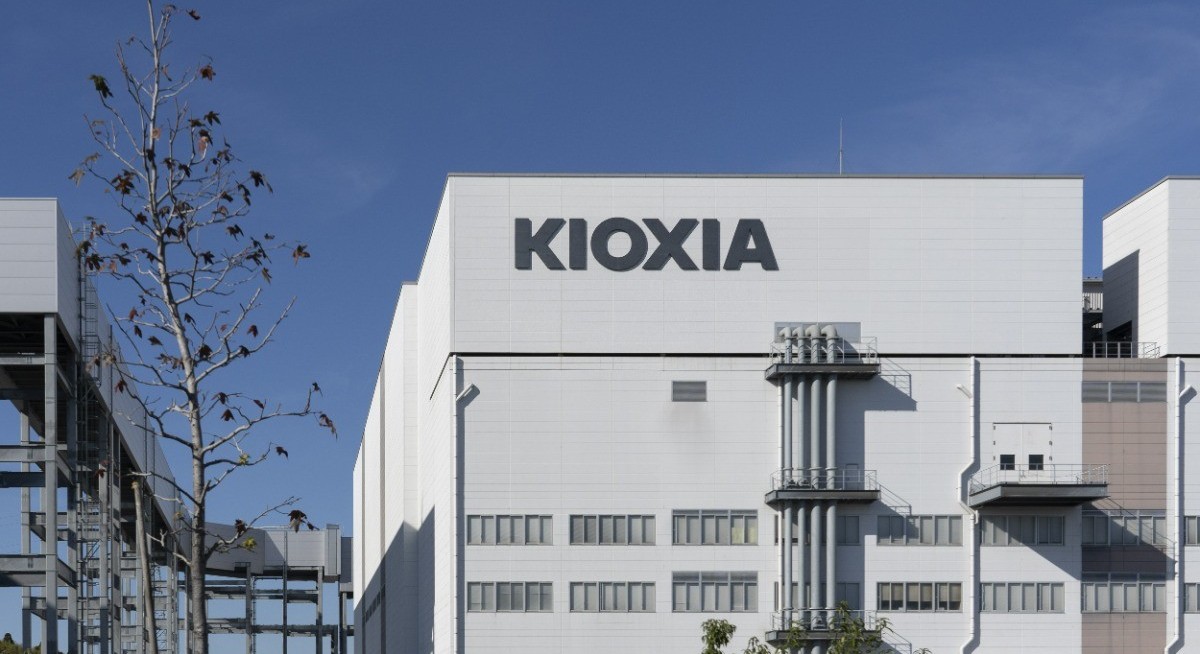


(June 12): Memory chipmaker Kioxia Holdings Corp replaced Toyota Motor Corp to become Japan’s largest company by market value, underscoring how the global artificial intelligence (AI) boom is reshaping the country’s corporate landscape.
Shares of the Japanese memory chipmaker surged 7.6% Friday, lifting its market value above ¥44 trillion (US$274 billion or $350 billion) just 18 months after its stock market debut. Automaker Toyota, which earlier briefly lost the top spot to SoftBank Group Corp, closed with a market capitalisation of ¥43.8 trillion. The figures include treasury shares.
The shift highlights investors’ growing preference for semiconductor companies, as demand for chips used in AI data centres has climbed alongside peers worldwide. Kioxia has surged more than 670% this year, making it the best performer on the MSCI World Index.
Kioxia’s rise to become Japan’s most valuable company is “symbolic” of a broader shift as global funds pour money into memory-chip makers, said Shuutarou Yasuda, a market analyst at Tokai Tokyo Intelligence Laboratory Co. “It may be a bit of an exaggeration to call it an industrial transformation, but it’s a development that certainly gives that impression.”
SoftBank Group Corp became the nation’s most valuable company earlier this month by surpassing Toyota Motor Corp on enthusiasm surrounding plans for OpenAI’s listing. The technology investor has since slipped to fourth place after a broader risk-off selloff cooled an overheated rally.

See also: Infineon to open German chip fab as part of EU sovereignty push
Japan’s latest list of top 20 stocks now includes AI-related names such as Murata Manufacturing Co, which supplies components to AI data centres, and chip tester maker Advantest Corp.
Kioxia traces its roots to Toshiba Corp’s memory-chip business, which pioneered NAND flash memory technology. The unit was spun off and acquired by a Bain Capital-led group in 2018 and rebranded itself as Kioxia a year later.
In contrast with these AI beneficiaries, Toyota’s shares have steadily lost ground and have underperformed the broad market. The stock has fallen around 17% this year to date as Middle East tensions and higher oil prices weighed on demand for automobiles.
See also: Closer to the quantum computing dream
The auto industry also continues to grapple with a costly, complex transition toward electric vehicles and software integration, pressuring growth prospects across the sector.
Uploaded by Chng Shear Lane




