


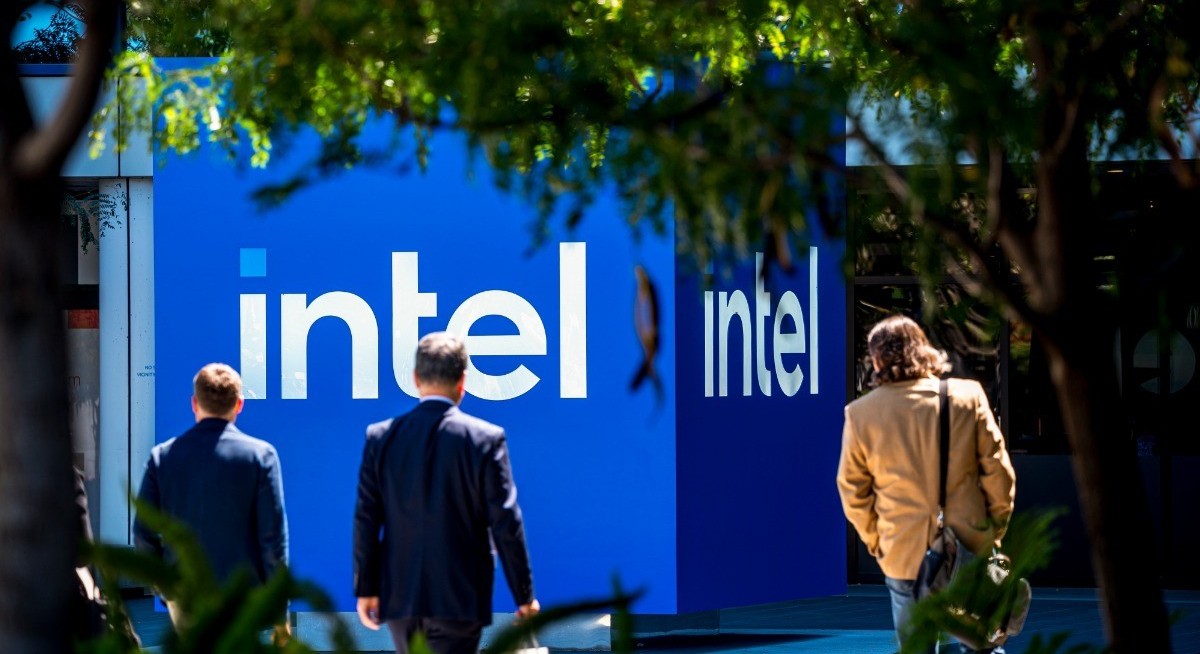


As part of the move, Intel ended talks with Ericsson AB, which had discussed buying a stake in NEX, a spokesperson added. Intel said earlier this year that it aimed to separate the division and was identifying strategic investors.
The change in plans reflects the evolving turnaround strategy of Intel chief executive officer Lip-Bu Tan, who took the helm in March. He has largely sought to whip the company into shape by cutting jobs and offloading operations.
A representative of Ericsson declined to comment.
Intel also has benefited from an influx of cash since this summer. In an unconventional deal brokered by the Trump administration, the US government took a 10% stake in the chipmaker in August. Intel attracted a US$2 billion ($2.59 billion) investment from SoftBank Group Corp and an additional US$5 billion from Nvidia Corp. Against that backdrop, the stock has more than doubled this year.
See also: Nvidia-led boom set to turn chips into trillion-dollar industry
Earlier this year, Ericsson was looking into investing in order to keep Intel’s business afloat. Ensuring Intel’s NEX division remained viable was crucial for the Swedish telecom equipment maker, as many of its hardware products rely on chips designed by Intel for its mobile network equipment. The companies formed an even tighter relationship early last year when Ericsson announced its future infrastructure would be built on Intel’s Xeon Next-Gen processors for greater speed and energy efficiency.
Intel has struggled in recent years to keep pace with rivals such as Taiwan Semiconductor Manufacturing Co (TSMC) and Samsung Electronics Co. Former CEO Pat Gelsinger was pushed out of the firm last year after his costly plan to turn the company into a maker of chips for other businesses failed to deliver results fast enough for the board. Intel subsequently started slashing costs and looked to sell off non-core businesses to bolster its finances, including spinning off NEX.
Uploaded by Tham Yek Lee




