


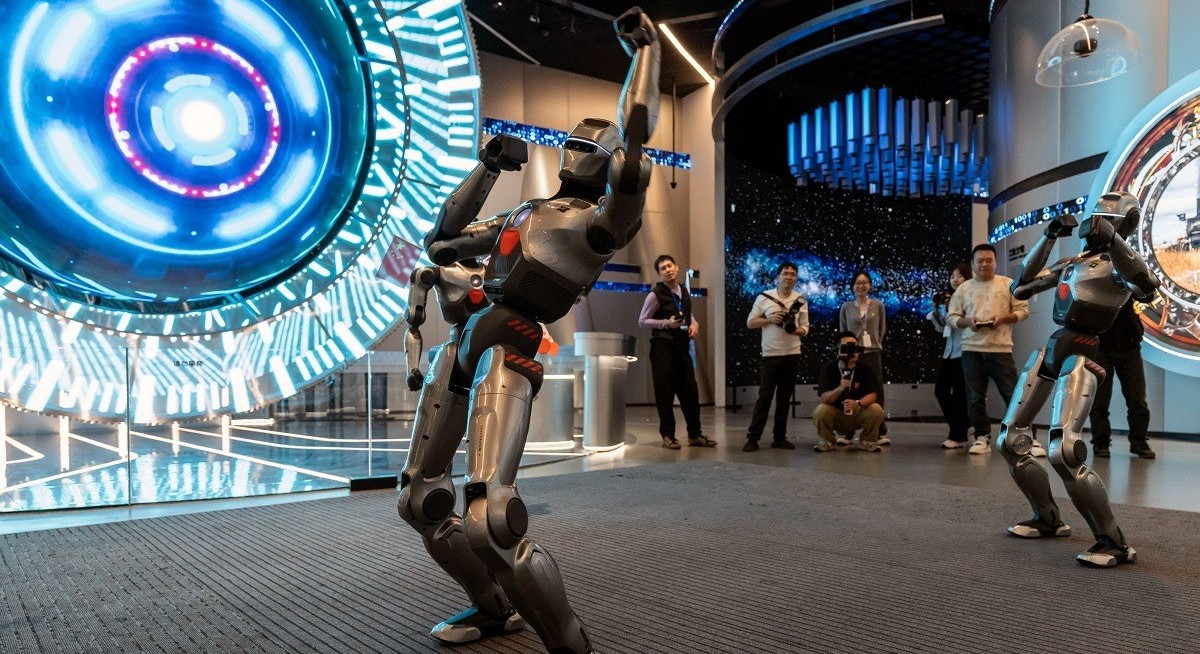


More than 150 makers of humanoid robots are operating in China and their number is still rising, Li said. The country must prevent a flood of “highly similar” models from overwhelming the market and squeezing out space for research and development, she said.
The call for vigilance reflects Beijing’s unease over excess investment flooding into a sector it bills as one of the biggest catalysts for the economy in the years ahead.
Humanoid robotics is one of the six industries named by the ruling Communist Party as new economic growth drivers for the future in its guidelines for drafting China’s development plan in the five years through 2030.
Citigroup Inc expects to see “exponential” growth in production next year from China’s humanoid robot makers. But although companies like UBTech report receiving orders worth over a billion yuan, widespread adoption of humanoid robots by households or factories has yet to materialise.
See also: Nvidia-led boom set to turn chips into trillion-dollar industry
The spotlight of attention has fuelled investor interest in the sector, sending the Solactive China Humanoid Robotics Index — which tracks the shares of Chinese humanoid robotics-related companies — up by about 26% this year.
The authorities will speed up efforts to build mechanisms for market entry and exit to create an environment of fair competition, Li said at the briefing. Among the areas of their focus will be accelerating research and development of core technologies and supporting the construction of training and testing infrastructure, she added.
The government will also promote the consolidation and sharing of technology and industrial resources in the sector across the nation, in an attempt to expedite the application of humanoid robots in real life, she said.
Uploaded by Magessan Varatharaja




