


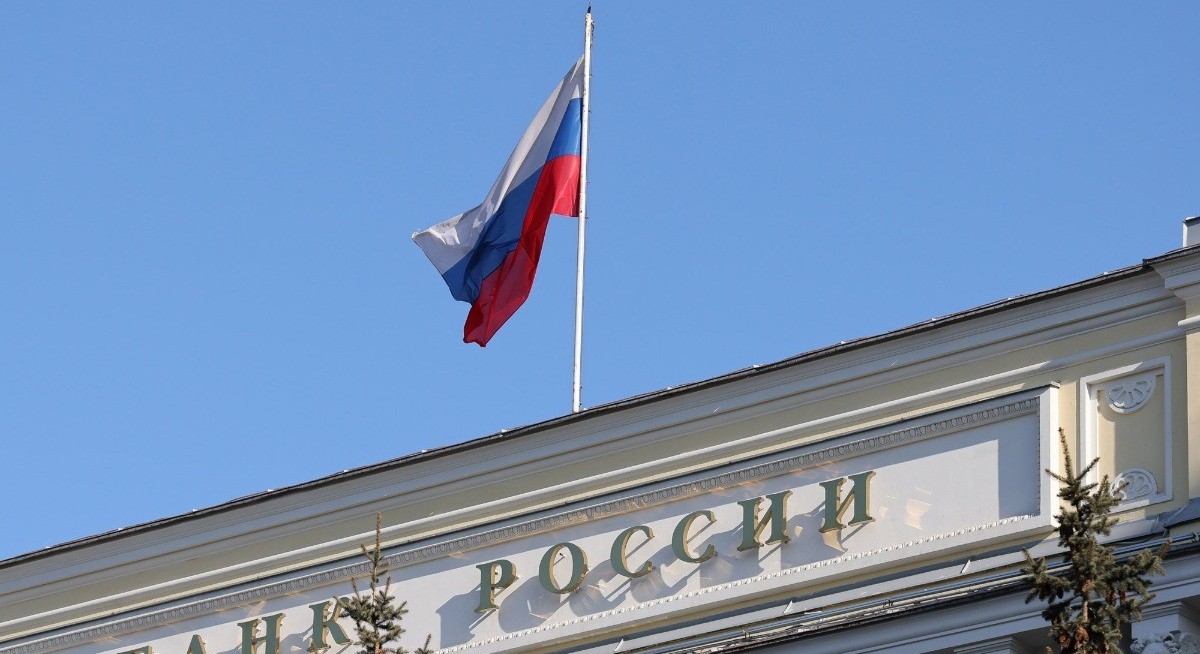


Russia would seek damages equal to the total amount of its frozen assets as well as additional income lost from them, Interfax news service reported, citing the regulator.
The EU is set to approve a deal on Friday that would allow it to lengthen a freeze on some €210 billion of Russia’s sovereign assets that have been held in the bloc since President Vladimir Putin ordered the full-scale invasion of Ukraine in 2022. Most of the money is held in Euroclear and the government in Brussels has been resisting EU efforts to make use of the funds to back a vital loan for Ukraine.
The bank’s intervention aims to ramp up pressure on European officials, many of whom are already nervous about the financial and legal consequences of using the Russian state assets to aid Ukraine. It’s following a model used by a number of Russian businesses, which get decisions against international companies in local courts and then aim to seek enforcement in foreign jurisdictions.
Immobilised assets
See also: Greece and Malta hesitate over EU’s Russia oil services ban — Bloomberg
Belgium argues that it has yet to receive sufficient guarantees from other member states that it won’t be left on the hook to foot any bill should Moscow win any future claims on recovering the assets. It also says that using the frozen funds would open Europe, and its companies, to Russian retaliation.
The EU put forward a proposal last week to use the immobilised assets to back a €90 billion loan to cover Ukraine’s economic and military needs for the next two years. Member states are due to vote on the plan on Dec 18.
The Russian central bank said the commission’s decision to issue and implement regulations on use of the frozen assets would face “unconditional challenge” from Moscow.
See also: Russia struggles to sell seized assets to bolster wartime budget
Euroclear holds €16 billion in client assets in Russia and risks losing them if Russian funds are withdrawn from its depository, AFP reported, citing Guillaume Eliet, the depository’s chief financial risk officer.
Euroclear’s assets in Russia are kept in so-called C accounts used for storing the funds of investors from “unfriendly” countries, based on an order Putin signed after he started the war on Ukraine. Some courts in Russia have ruled in favour of several Russian investors seeking to recover income on frozen securities they own. Putin banned the withdrawal of funds from C accounts under court decisions taken after Jan 3, 2024.
The EU last year approved a derogation mechanism to allow the bloc’s central securities depositories to unfreeze cash and compensate European holders if they lost assets in Russia.
The confrontation over the assets adds to a complex web of negotiations taking place between Washington, Kyiv, Brussels and Moscow over US-led proposals aiming at bringing an end to Europe’s worst conflict since World War II.
Russia and Ukraine are striving to keep up the military pressure to try to push the opposing side into making diplomatic concessions.
Ukraine said its forces attacked two Russian cargo ships carrying weapons in the Caspian Sea, the second time in a week that Kyiv has claimed success in striking targets on a body of water far from the frontlines. Bloomberg isn’t able to independently verify the reports.
US President Donald Trump said on Thursday the US would be willing to contribute assistance to Ukraine as part of a security agreement to end the war, a key requirement for Kyiv in any deal. Trump continued to express frustration with the pace of talks, saying his interest was in getting the conflict “settled”.
To stay ahead of Singapore and the region’s corporate and economic trends, click here for Latest Section
With major issues over territory still unresolved, Ukrainian President Volodymyr Zelenskiy floated the prospect of allowing Ukrainians to vote on whether to hand the Donbas region to Russia.
The Kremlin has insisted that Ukraine withdraw forces from its eastern territories, including areas of the Donetsk and Luhansk regions that the Russian military has failed to capture in its nearly four-year invasion.
Putin’s foreign policy aide Yuri Ushakov adopted a cautious tone over prospects for a deal emerging from the discussions. Russia hasn’t seen any revised drafts of the US proposals for a settlement, he told reporters Friday.
“My personal opinion is that these papers won’t be more attractive to us than before,” Ushakov said. “Frankly, many things will probably no longer be suitable.”
Uploaded by Felyx Teoh




