




“The year marked a clear inflection point, as investors and property managers alike acknowledged Japan’s sustained rental growth, driven by an inflationary macroeconomic backdrop,” says Naoki Suzuki, president and CEO of KJRM Holdings, or KKR Japan Realty Management.
“The momentum had already been visible for several years in some sectors such as hospitality, multi-family and logistics and has now started to spread to other sectors such as retail and office,” adds Suzuki, whose firm is a member of the KKR Group. “Limited new floor supply forecasts, driven by higher construction costs and more aggressive landlord negotiations contributed to a strong surge in office market rents.”
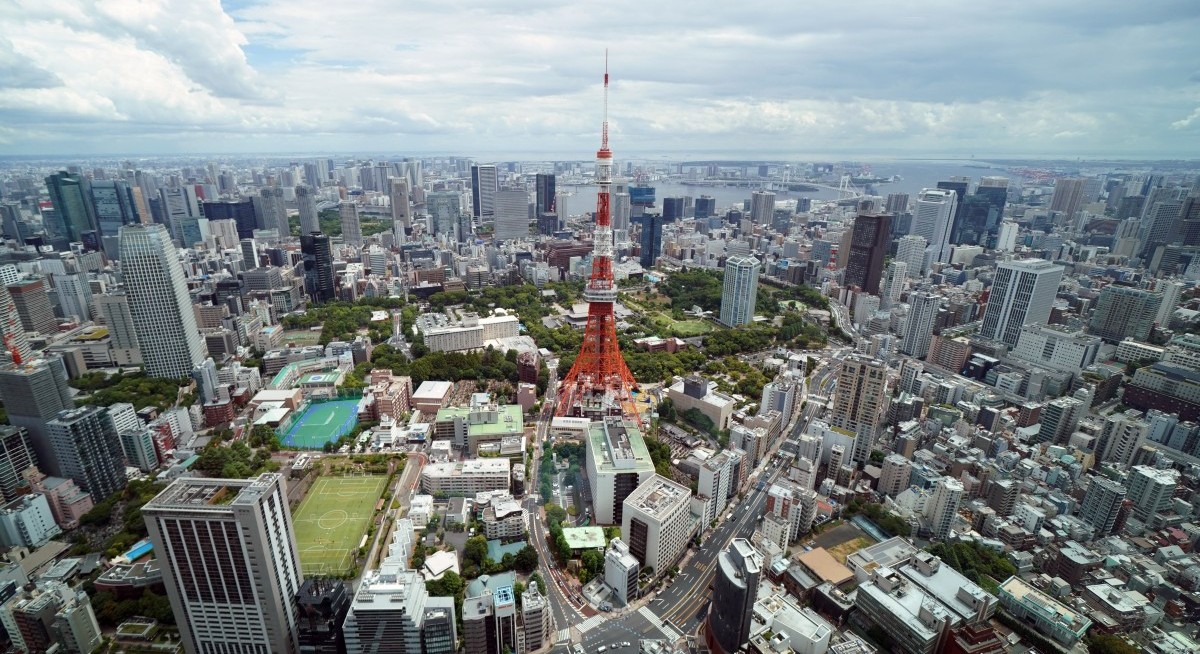
That shift has been particularly evident in Tokyo, according to Aprea’s report released Dec 18.
Vacancy rates in the office market have dropped below 3%, helping landlords regain pricing power, according to a report from Philadelphia-headquartered real estate investment manager CenterSquare Investment Management.
See also: Chinese hospitality is the ‘best asset class’ in real estate right now: John Lim
“Given developers’ large exposure to office assets, even modest improvements in leasing conditions can have a significant impact on equity and REIT valuations,” reads Aprea’s six-page “Asia’s real assets rebound: How structural tailwinds powered outperformance in 2025” year-end report.
“Many J-REITs have achieved cash flow growth, which translates into higher dividends and net asset values (NAVs),” says Suzuki. “As investors recognised that J-REITs are benefitting from the renewed rental growth trend, capital flowed back into the sector.”
The market, which had been trading at roughly a 20% discount to NAV at the end of last year, has since recovered to a level close to NAV, he adds.
See also: JustCo replaces Hao Mart at Orchard Point, launches co-living brand JustAt
The Tokyo Stock Exchange REIT Index, a weighted aggregate market price type index for all J-REITs listed on the Tokyo Stock Exchange, is up nearly 24% over the past year and 12.3% over the past six months.
Macroeconomic stability
Monetary policy also provided an unexpected tailwind, says Aprea.
Despite the Bank of Japan (BOJ) raising rates from 25 basis points (bps) to 50 bps in January — its third hike in a year — Japanese real estate rallied.
Historically, property stocks often outperform following rare policy rate moves, as markets interpret the BOJ’s slow, well-telegraphed tightening as a signal of macroeconomic stability rather than constraint, notes CenterSquare.
Looking ahead, Suzuki sees corporate real estate carve-outs as the most attractive growth opportunity. With Japanese companies still holding significant real estate on their balance sheets, shareholder pressure for divestments is increasing, according to Aprea.




