


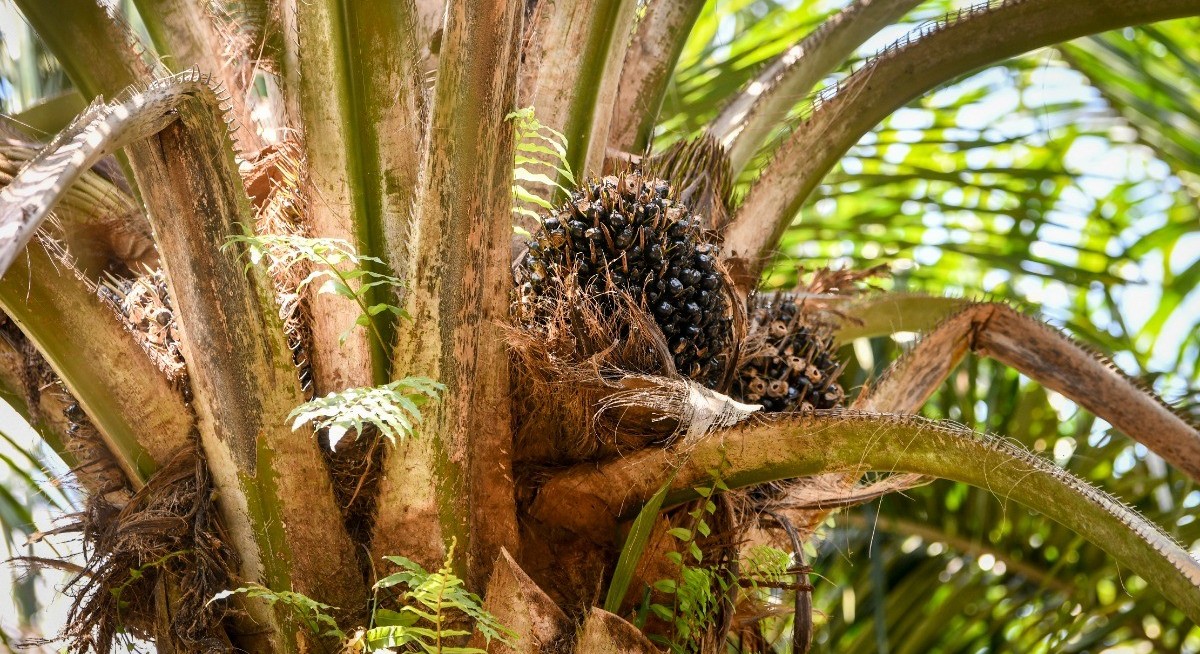


(June 30): The European Union (EU) plans to exempt palm oil derivatives used in medicines and soybeans used for sowing from its landmark rules tackling global deforestation in its latest attempt to blunt the law’s impact on sensitive sectors.
The carve-outs were among amendments added by the European Commission, the bloc’s executive arm, according to a draft seen by Bloomberg, which could still change ahead of its adoption.
The EU’s push against deforestation around the world has become one of the most challenging elements of its Green Deal plans. It is aimed at curbing forest clearance in nations that send agricultural products to the bloc. In December, the EU reached a deal to delay the law’s application by a year, until the end of 2026.
However, the law has faced fierce pushback for overreach and administrative burden. US Ambassador to the EU Andrew Puzder said in a post on X last week that the regulation is “not simplification” but “protectionism”.
The palm oil-for-medicines provision was added “to protect human and animal health”, while soy used for sowing is exempted in part to help protect “resilience, strategic autonomy and sustainability of the EU protein system”, the commission says in the draft, while noting they “represent negligible trade volumes”.
The commission’s legislative update follows a public consultation, after the commission proposed removing leather from the scope of the law in May. Leather is still exempted in the latest draft, though that provision will be subject to a review in 2030. There are also new carve-outs for aircraft and motor vehicle seats and conveyor belts.
See also: Palm oil dips on weaker crude, Malaysian production outlook
The draft also adds a one-year delay — until the end of 2027 — for the law’s application for the updated products.
The European Commission declined to comment. It is expected to adopt the measure in the middle of July.
Uploaded by Tham Yek Lee




