


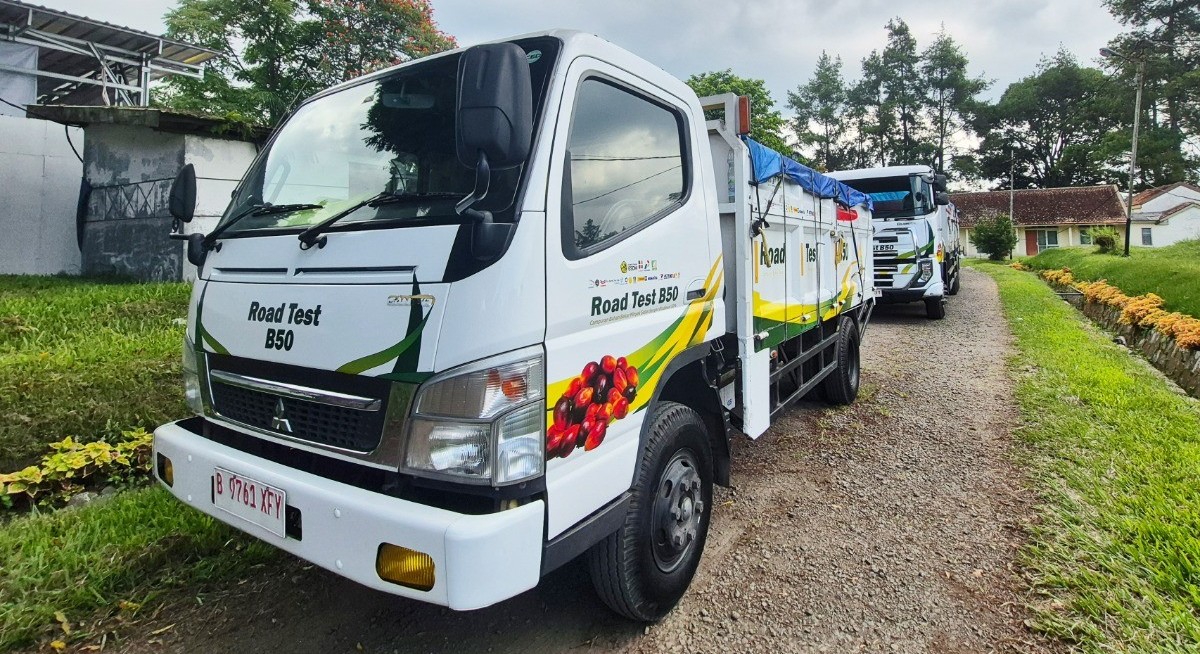


(June 30): The rollout of a pioneering palm-diesel blend is set to stretch Indonesian biofuel makers to their limits and tighten global supplies of the tropical oil by diverting it away from export markets.
The world’s largest palm oil producer is adopting its B50 mandate this week, months ahead of schedule, in a move that aligns with President Prabowo Subianto’s push for enhanced energy security. The ambitious programme is being watched by other crop-rich nations, from Malaysia to Brazil, that are also seeking to cut reliance on fossil fuels.
But Indonesian biofuel producers have expressed concern about their ability to sustain higher output through the whole of next year. With the latest mandate requiring that biofuels make up 50% of the diesel blend, up from 40% previously, a significant ramp-up in output will be needed.
“On paper, current installed capacity is enough — but all plants must run at around 90% utilisation, with no unplanned outages,” said Catra de Thouars, vice-chairman of the Indonesian Biofuel Producer Association. Meeting B50 demand through 2027 will be “rather difficult without capacity expansion”, he said.
By some distance, Indonesia is already the global leader in terms of the proportion of biofuels in its diesel mix. The B50 rollout was fast-tracked in part because of the US-Iran war, which sent fuel prices soaring for countries that rely largely on imported energy. In Indonesia’s case, a plunging rupiah has made imports even more expensive.
An interim peace deal in the Middle East hasn’t derailed the plan. Fuel retailers will have three months to clear their B40 stockpiles and must start selling the higher blend by Oct 1, an energy ministry official said last week. That followed a series of road trials that showed the latest blend can operate at varied altitudes and temperatures.
See also: Palm oil dips on weaker crude, Malaysian production outlook
To meet the new target, biofuel producers face several urgent challenges. For one, it has become more difficult to source methanol, an essential blending input that’s imported mainly from the Middle East. The additive is still available, said de Thouars, but producers are struggling to secure long-term contracts because of lingering concerns over the conflict.
Added to that, supplies of palm oil itself are expected to come under pressure next year. While the country’s output is forecast to rise by about 10% this year, production in 2027 will be affected by limited replanting and the lingering effects of a powerful El Niño weather phenomenon, said M. Hadi Sugeng Wahyudiono, secretary general of the Indonesian Palm Oil Association.

See also: EU adds palm oil for drugs, soy seeds to deforestation carve-out
For Southeast Asia’s biggest economy, the B50 rollout is a double-edged sword. By keeping more palm oil at home, Indonesia can shore up its energy supplies, but it will also forgo lucrative export earnings that could otherwise help soothe stretched public finances and a crisis of investor confidence.
It’s a tradeoff that central bank researchers have previously said could bring diminishing returns. While blending at moderate levels reduces import dependence, “higher mandates generate increasing macroeconomic and fiscal costs”, researchers at Bank Indonesia said in a working paper last year. “For B50–B70, foregone crude palm oil export revenues systematically exceed diesel import savings,” they wrote.
Indonesia has yet to finalise its domestic palm oil allocation for the year but the association — known as Gapki — expects the government to channel some 15 million tons of the feedstock to biodiesel. That’s about 20% more than last year — leaving less available for export, even allowing for a modest increase in output.
Higher palm oil prices as a result of this lower availability risk adding to food inflation, with the tropical commodity used in scores of products across grocery-store shelves.
“In a normal crop year, the cost of pursuing greater energy independence looks manageable,” said Khor Yu Leng, an economist at Segi Enam Advisors in Singapore. “After a more severe El Niño year, pressure could show up across fuel, food, and export channels at the same time,” she said.
Traders are already exploring alternative markets to make up the shortfall. “Soon you’ll start to see major buyers like India, Pakistan, African countries getting worried and starting to look at other sources, or switching to rivals like soy oil,” said Sathia Varqa, an analyst at Fastmarkets Palm Oil Analytics.
Uploaded by Chng Shear Lane




