


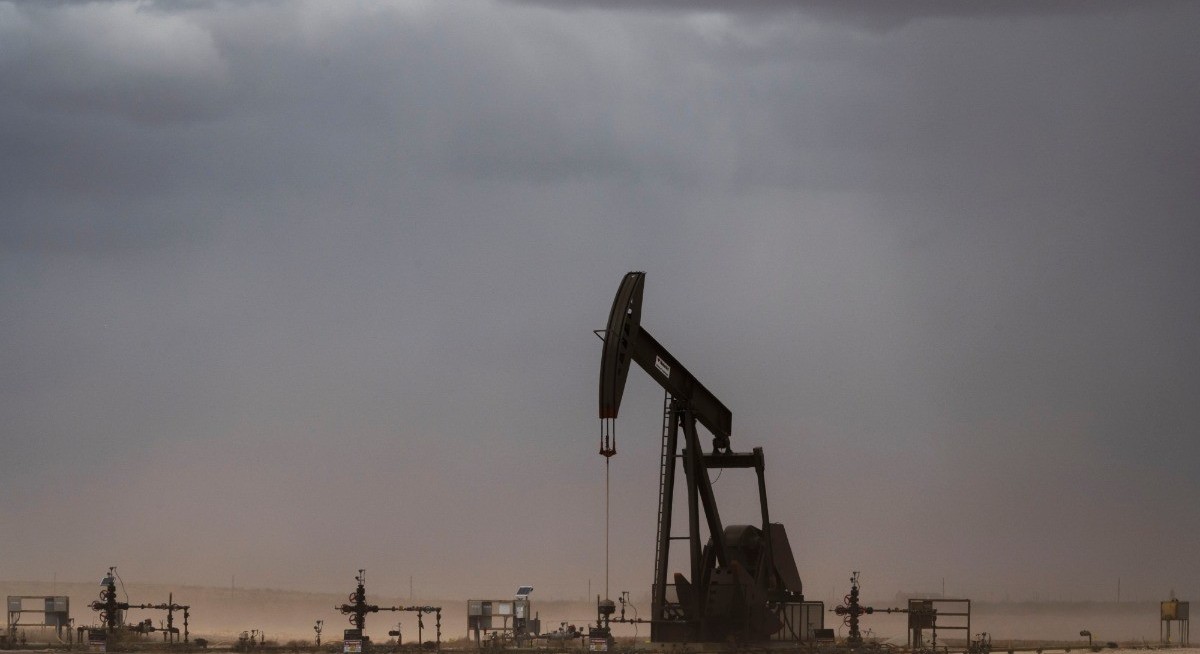


(May 5): Oil held the bulk of a sharp gain after fighting flared in the Middle East, with the US and Iran exchanging fire, renewed attacks on energy infrastructure, and vessels hit near the Strait of Hormuz.
Brent traded near US$114 ($145.54) a barrel, after surging 5.8% on Monday, while West Texas Intermediate was below US$105. The US military fought off Iranian attacks as it guided two US-flagged vessels through the waterway, according to US Central Command. In the United Arab Emirates, an oil terminal in Fujairah was hit.
The fresh round of hostilities came as the US sought to clear a path through Hormuz for stranded vessels, casting doubt on the four-week ceasefire between Washington and Tehran. President Donald Trump said the war may last another two to three weeks in comments to Salem News Channel.
US destroyers USS Truxtun and USS Mason transited the strait, CBS reported. The vessels were supported by Apache helicopters and other aircraft and faced a series of coordinated threats during the passage, CBS said.
The attacks “all point to the ceasefire fraying”, said Saul Kavonic, a senior energy analyst at MST Marquee. “Oil could jump materially higher if the war resumes and especially if damage to more oil infrastructure ensues.”
Brent crude has rallied by almost 90% this year as the conflict deprived the market of millions of barrels of oil, with the strait still all-but-impassable and wells shut-in around the region. The waterway has been subject to a double blockade, with Tehran seeking to prevent ships from transiting, while Washington stops boats sailing to or from the Islamic Republic.
See also: UAE oil head says Opec exit gives ability to speed up investment
Iranian Foreign Minister Abbas Araghchi said talks with Washington were “making progress” but the US and the United Arab Emirates “should be wary of being dragged back into quagmire”, according to a post on X. Events in Hormuz made clear “there’s no military solution to a political crisis”, he added.
“The market upshot is further indications that, so long as there is no deal between the US and Iran, the strait is likely to remain closed,” said Gregory Brew, a geopolitical analyst at the Eurasia Group. “That means continued upward pressure on oil prices.”
Defense Secretary Pete Hegseth will brief reporters at the Pentagon later on Tuesday, with General Dan Caine, the chairman of the Joint Chiefs of Staff.
See also: Beijing tells Chinese firms to ignore US sanctions on refiners
Prices:
- Brent for July delivery was down 0.6% to US$113.74 a barrel at 9.36am in Singapore on Tuesday
- West Texas Intermediate for June delivery shed 1.5% to US$104.85 a barrel.
- Spiking energy costs have fanned concerns the conflict will stoke inflation while hurting growth. In the US Treasury market, 30-year yields climbed to the highest since July, topping 5%, as traders boosted wagers the US Federal Reserve will have to reserve course and raise rates to curb price gains.
Oil is going to have to grind higher as “escalation seems to be the path”, said Carl Larry, an oil and gas analyst at Enverus. “Peace is dimming and what happens during an escalation is anyone’s guess, but it won’t be good.”
Uploaded by Tham Yek Lee




