




Market watchers say other forms of securitisation are available. But vehicles such as asset-backed securities, synthetic securitisation with credit derivatives and commercial mortgage-backed securities are unlikely to appeal to SingLand. Covered bonds are another way to securitise assets by property income streams, but where the assets remain on the company's balance sheet and it continues managing the properties. Covered bonds are heavily regulated. DBS issued the first local covered bonds in 2015 and United Overseas Bank followed in 2016.
A popular way to securitise local investment properties is via privately held property such as Hongkong Land’s Singapore Central Private Equity Fund (SCPREF).
The same shareholder also asked whether capital will be returned to shareholders if assets are disposed of.
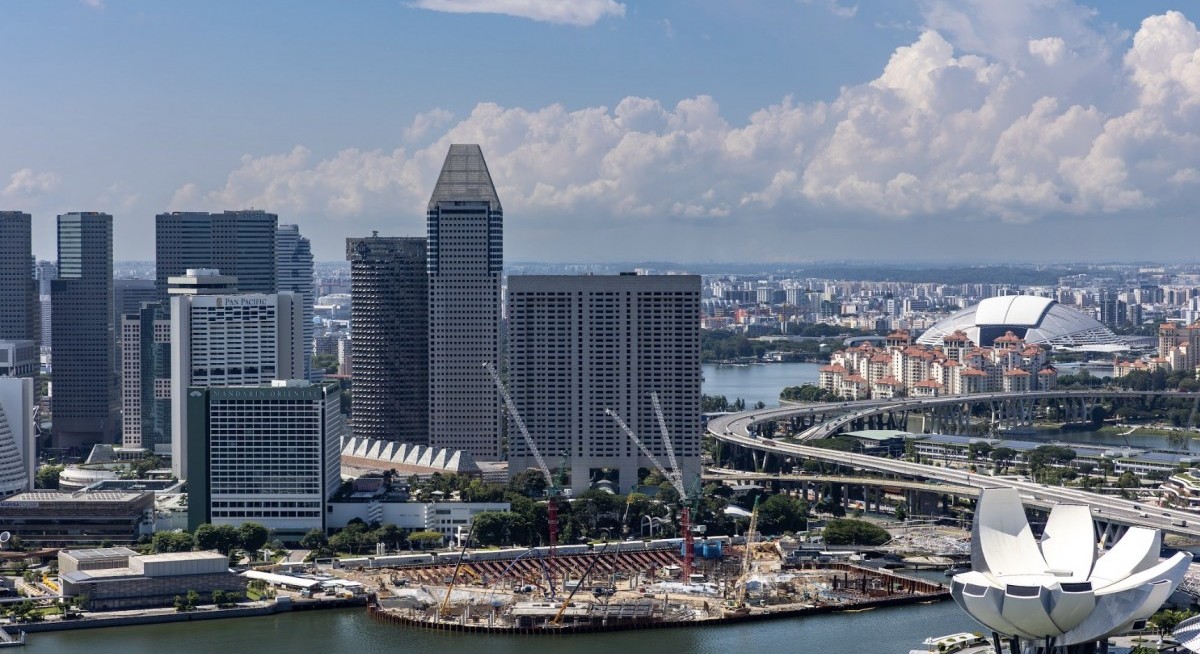
“We have a major redevelopment, Marina Centre that will require a significant amount of capital investment. We need to look at the capital required to improve these assets and we also have a few ageing properties within our portfolio that require capital expenditure as well. Of course, as shareholders, we want to make sure that the company does well and we can get a fair share of the dividend payout,” Wee replies. The board has announced that more detailed plans for Marina Square will be announced in June.
See also: Freehold five-storey shophouse at 42 South Bridge Road for sale at $33.4 mil
The shareholder then wondered whether there could be more liquidity as the share price (currently at $3.74) is trading at a discount to SingLand’s end-Dec 2025 net asset value of $6.01. “It's a long-standing situation that two shareholders own 87% and the top 20 shareholders control 93% of the company,” the shareholder said, adding that the regulators are encouraging companies to “value-up”. “Is there any solution to this issue?” he asked.
Wee quipped that there is a rarity value to SingLand. “We have a significant foreign shareholder. That bodes well for Singapore.”




